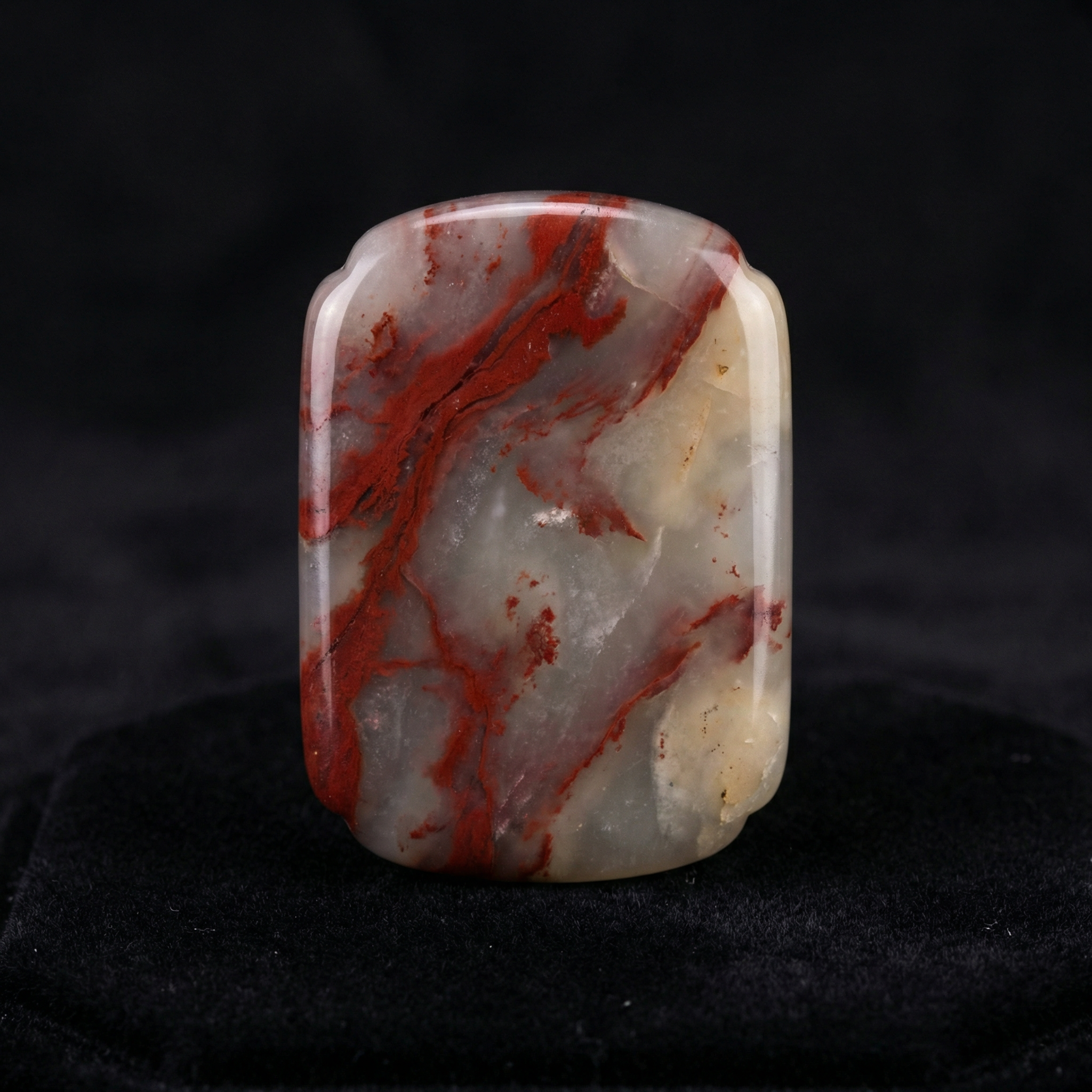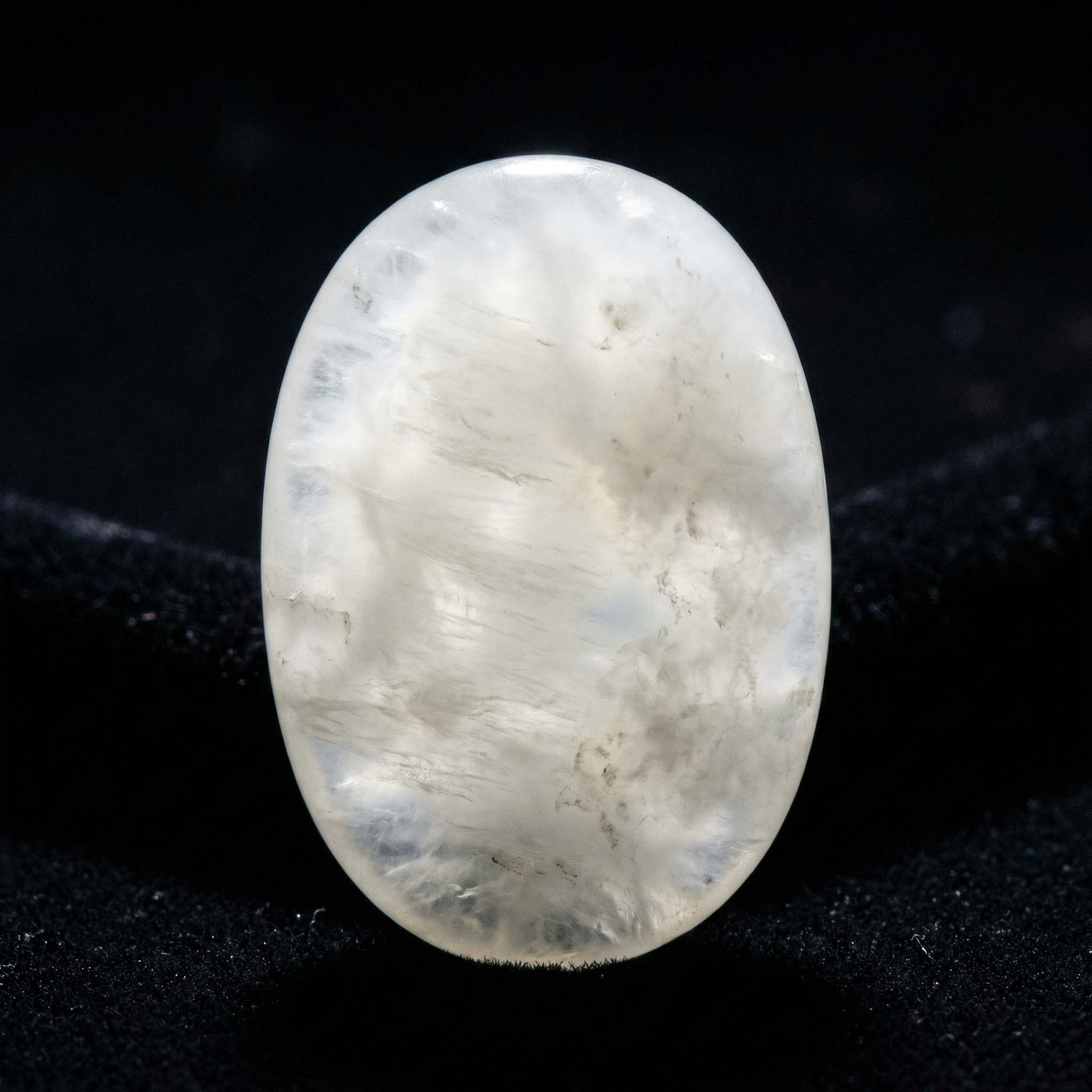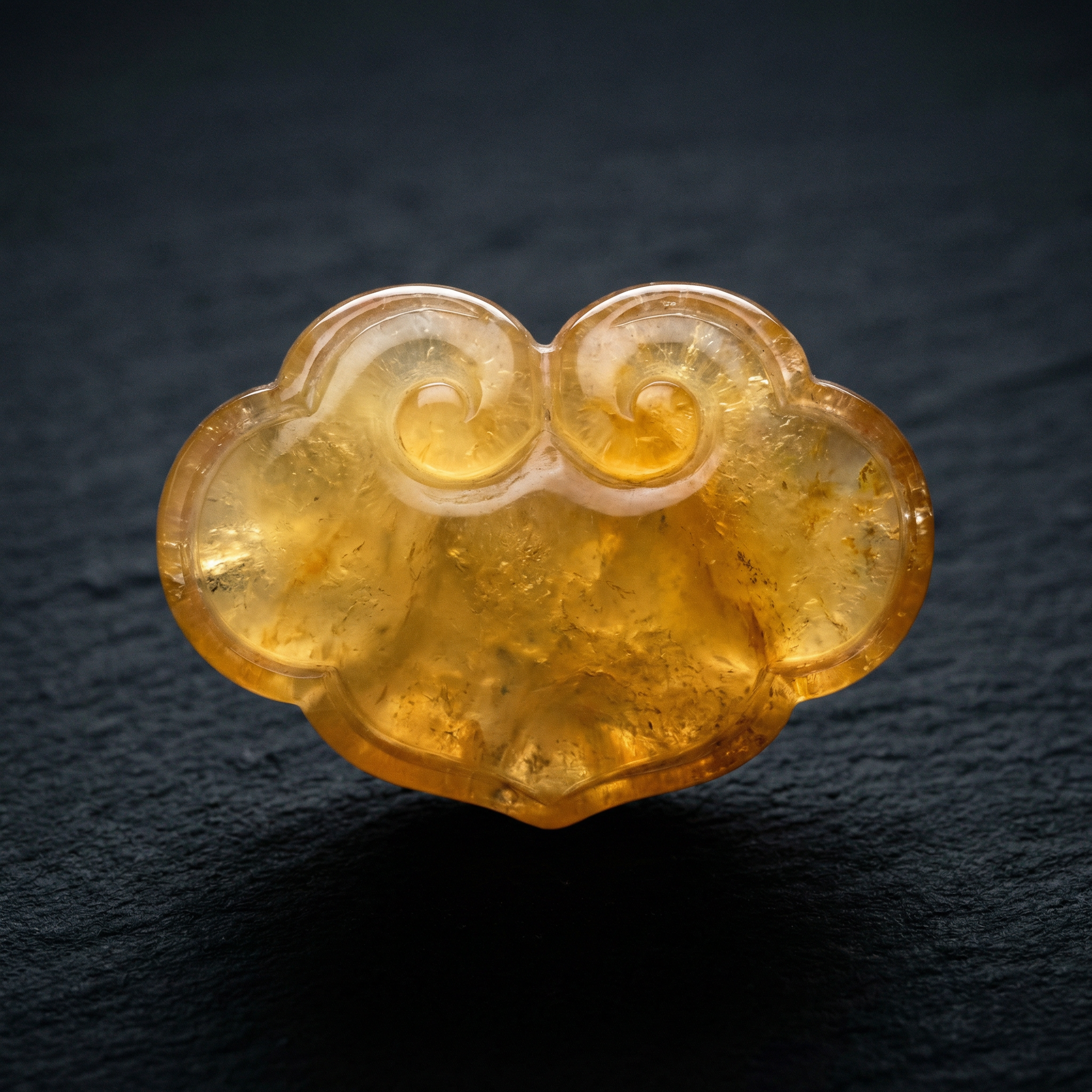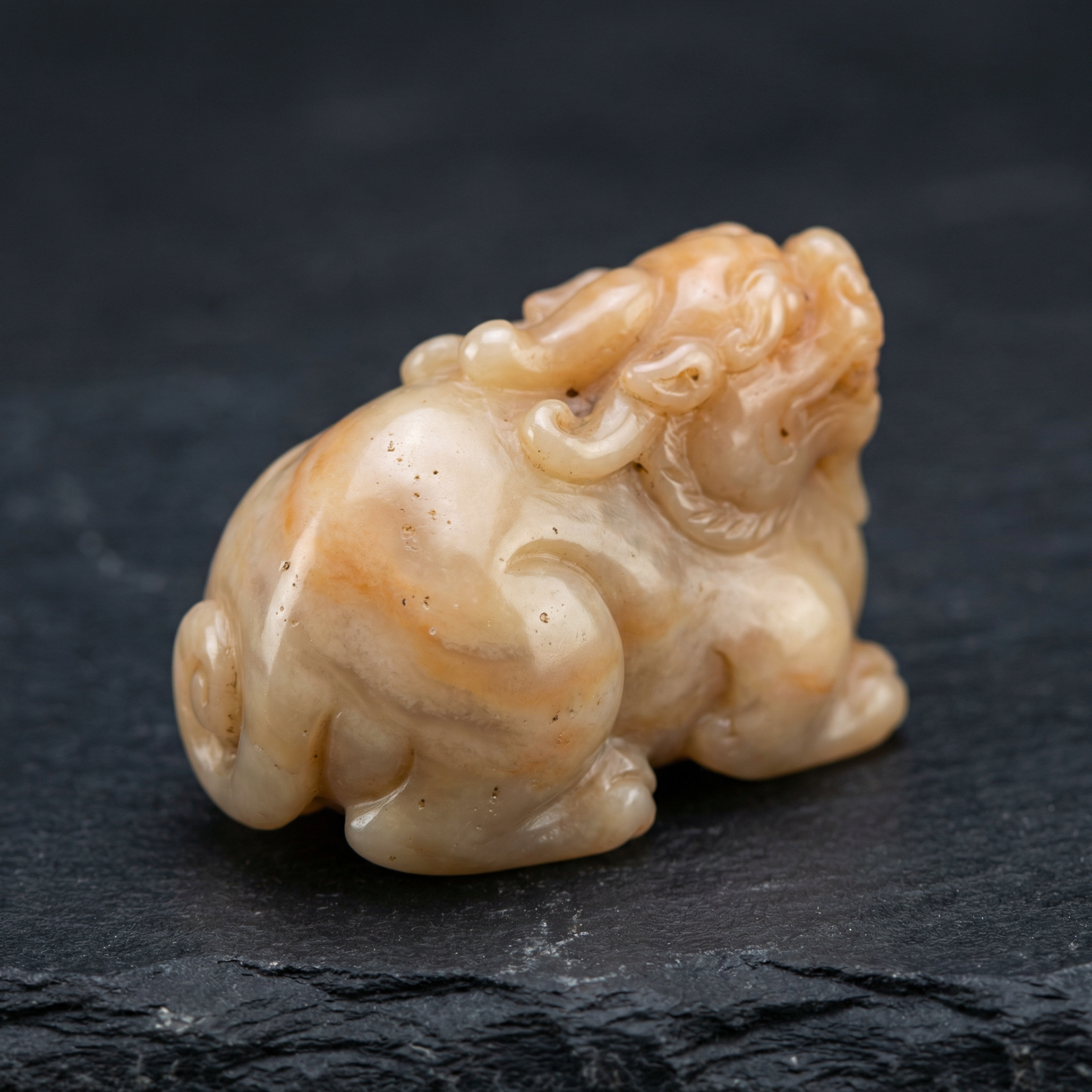
Shoushan Stone (Pyrophyllite/Dickite)
Shoushan stone is one of China's four traditional seal stones, treasured for over 1,500 years. Renowned for its smooth, moist texture, brilliant colors, and suitability for carving, it holds significant cultural and artistic value. Varieties like the exceptionally rare Tianhuang stone are often more valuable than gold. It is not just a material for carving but a symbol of Chinese artistic heritage and scholarly taste, representing a deep connection between nature's beauty and human craftsmanship.
Mohs Hardness
2.0-2.5
Origin
Shoushan Township, Jin'an District, Fuzhou, Fujian
Market Price Range
Ordinary Quality: $50 to $500 per piece; High Quality (e.g., Tianhuang): $5,000 to $50,000 per gram; Exceptional Pieces: Can exceed several hundred thousand dollars.
Detailed Description
Identification Methods
Appearance: Naturally blocky, without sharp corners; Tiankeng stones often have a colored skin.
Texture: Feels warm and smooth in hand, with a sense of weight; carving with a knife is smooth.
Internal Patterns: Observe the internal texture, such as the characteristic 'radish grain' patterns in Tianhuang stone.
Color: Colors are diverse but follow certain patterns, with clear boundaries between different colors.
Hardness: It has a low hardness, which can be tested by scratching with a fingernail or a copper key.
Market Information
The market for Shoushan stone remains strong, particularly for high-end varieties like Tianhuang and fine 'jelly' stones. Prices have consistently risen due to resource depletion and high demand from collectors and investors. The market is polarized, with ordinary stones being affordable while top-quality pieces command astronomical prices at auctions. E-commerce and specialized art auctions have become major transaction channels, making the market more accessible but also introducing challenges in authentication and valuation.
Classification
Pyrophyllite/Dickite (Primary Minerals)
Curated selections with appraisal guarantee