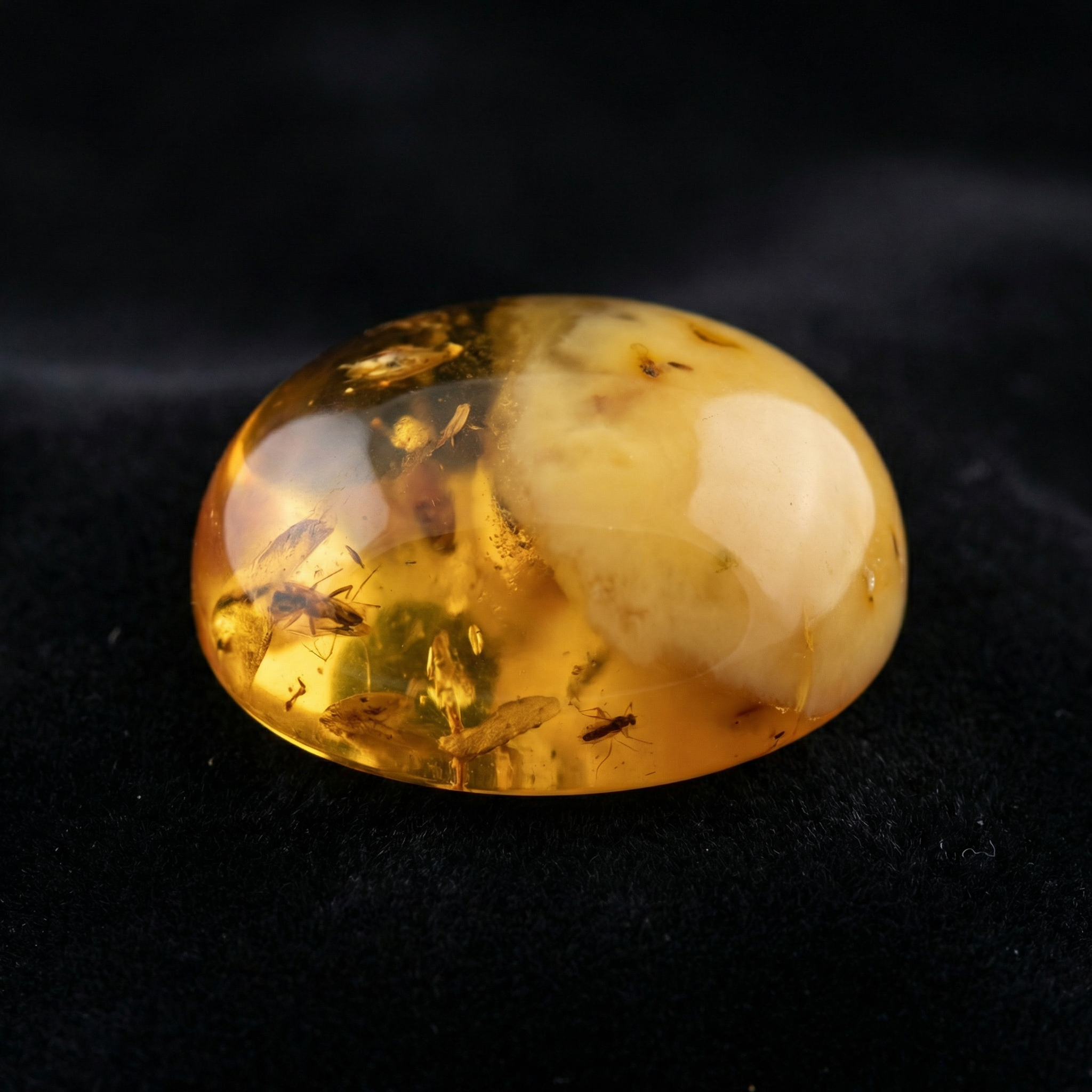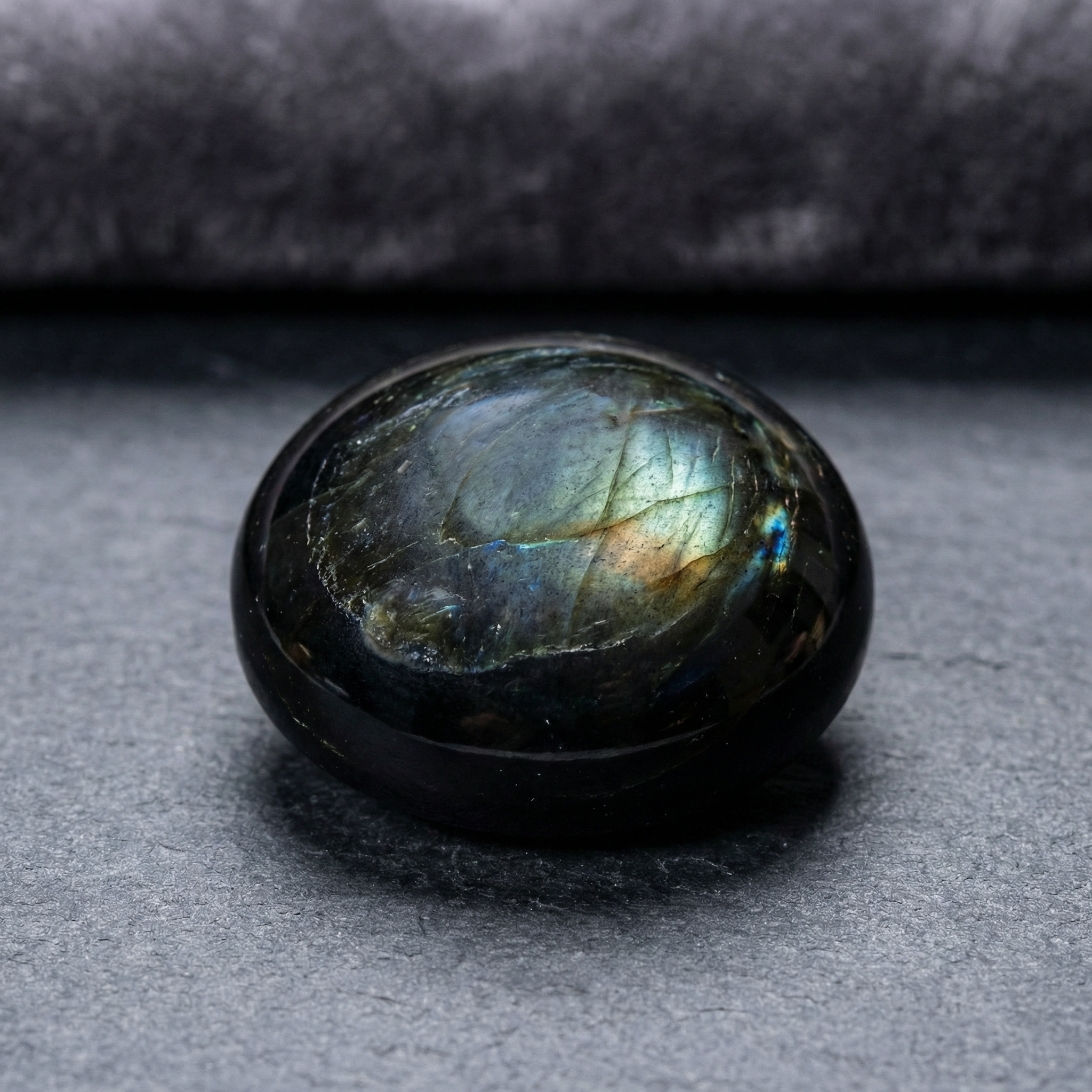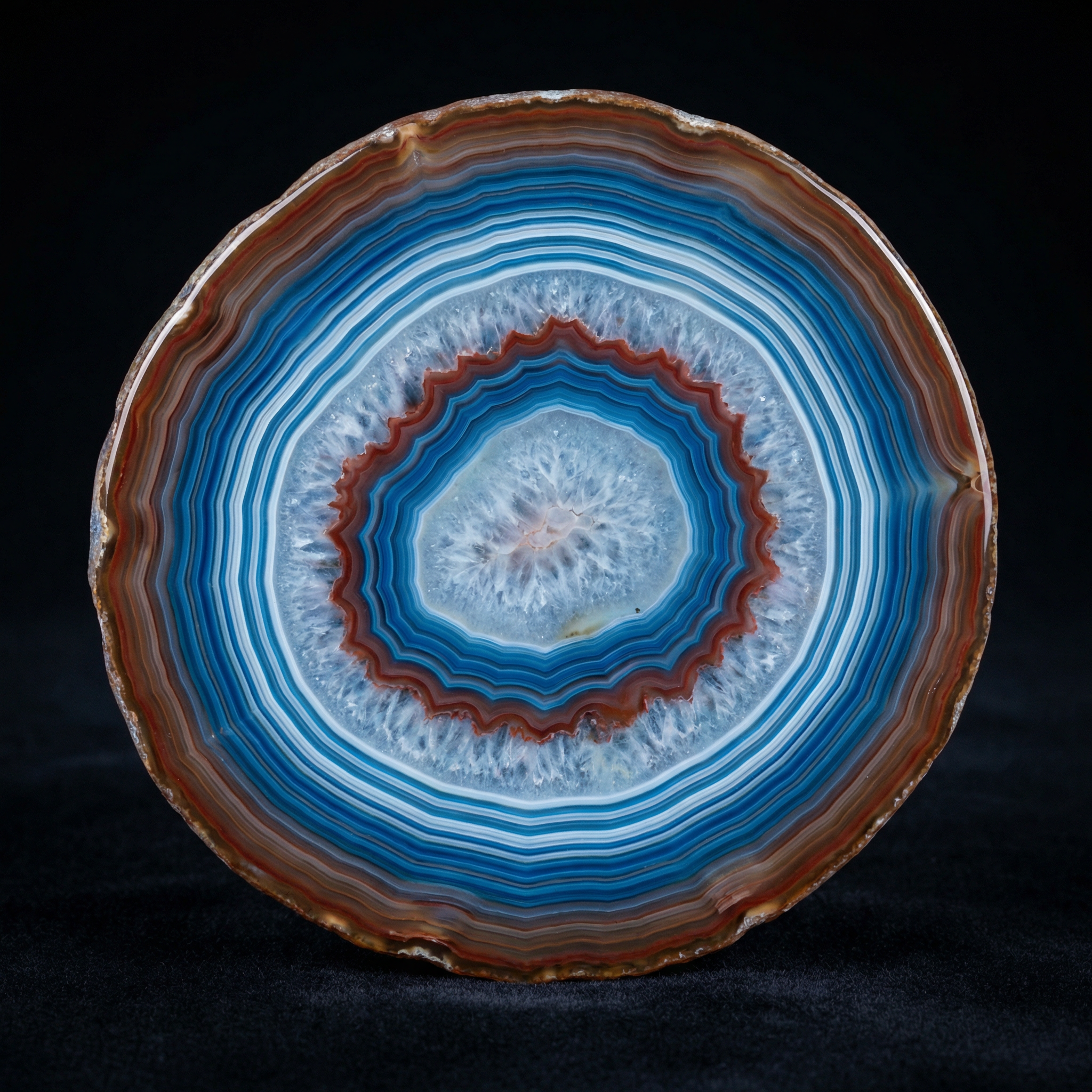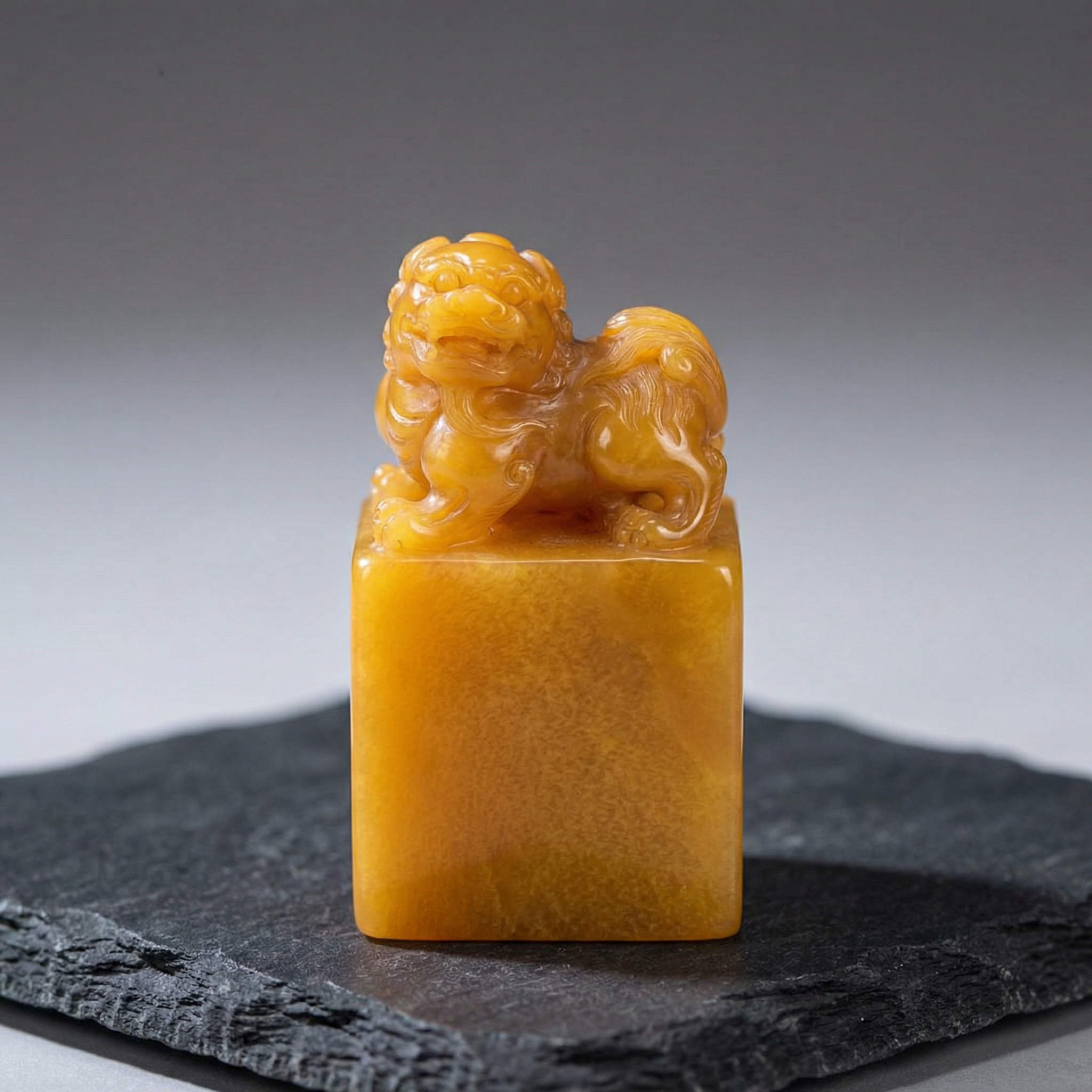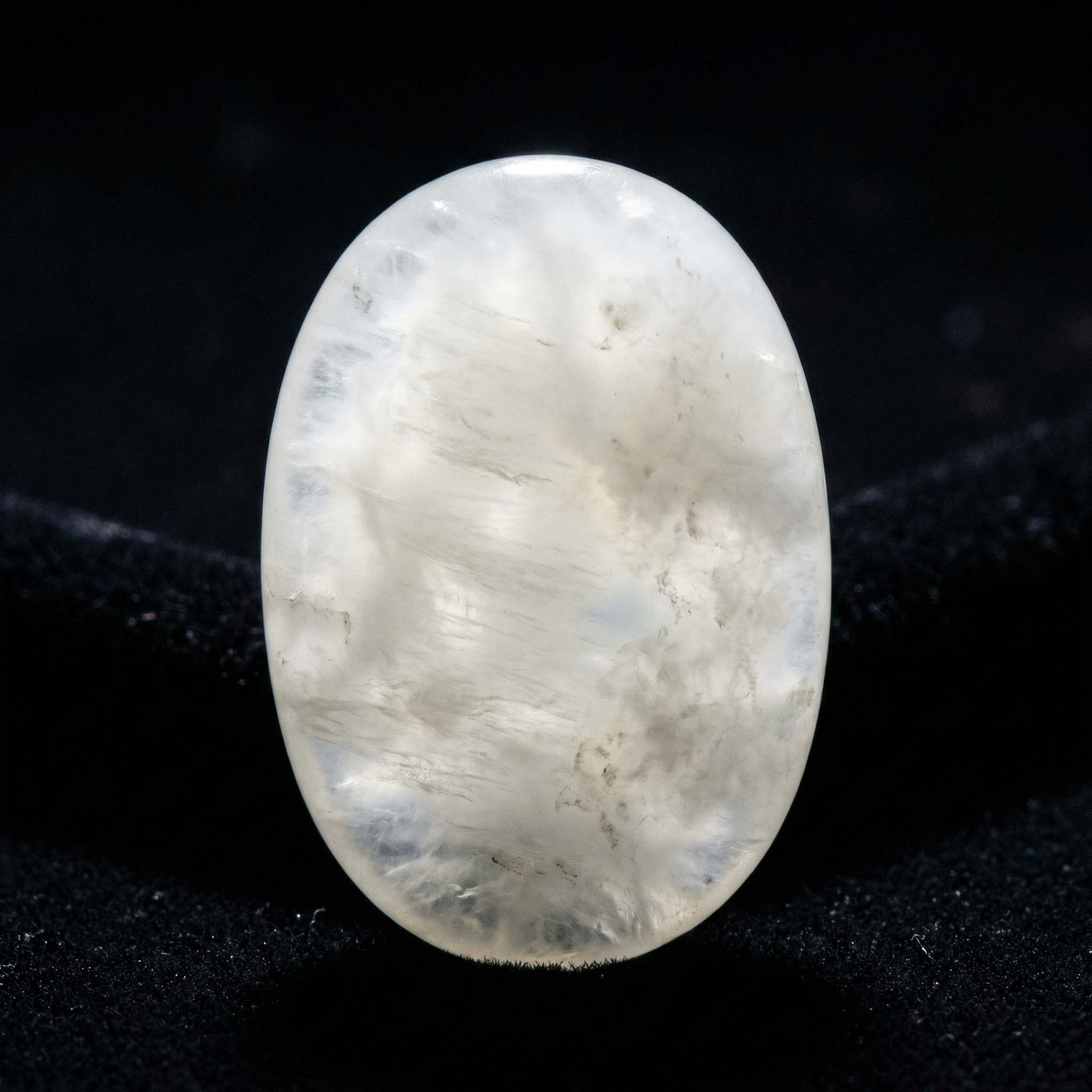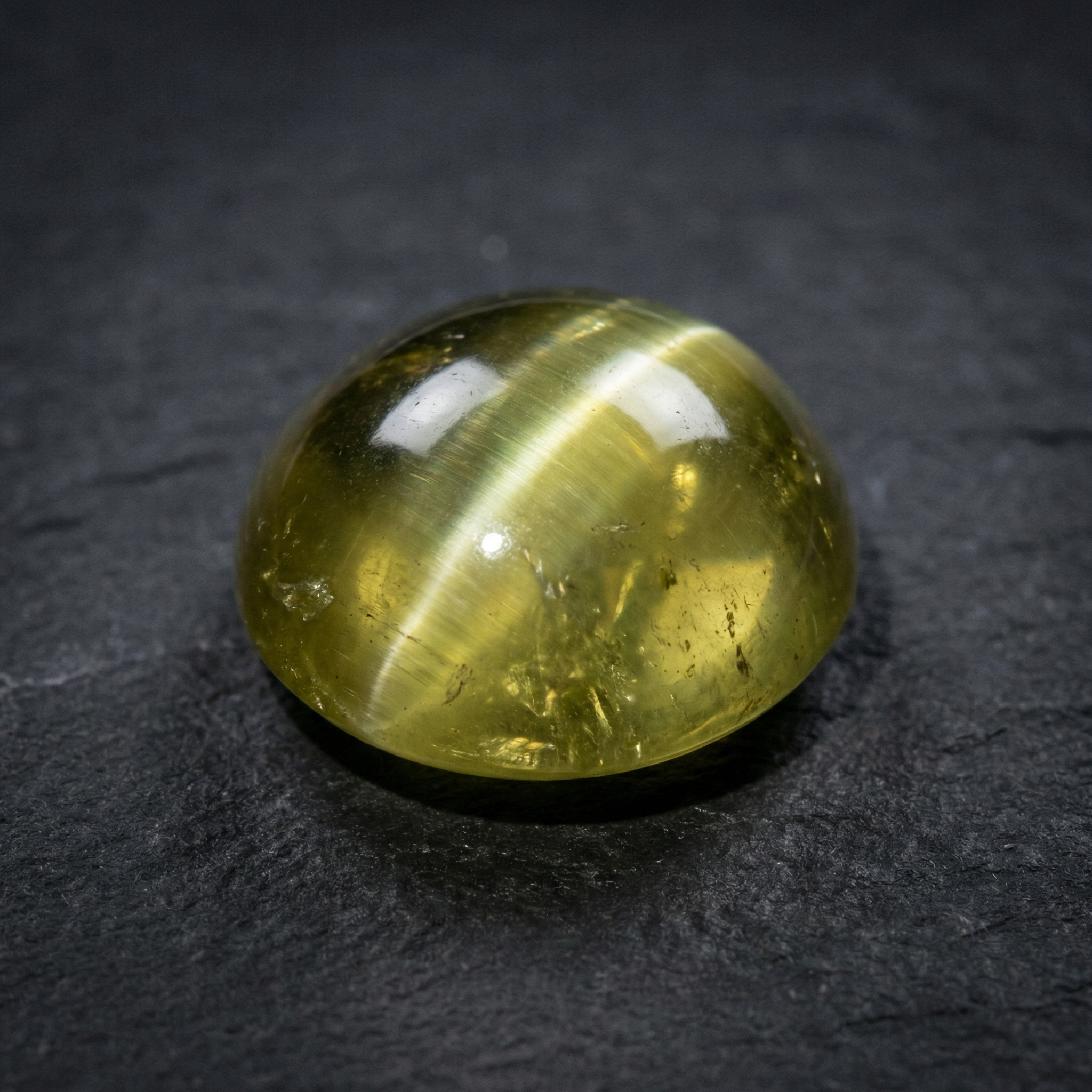
Cat's Eye Chrysoberyl
Cat's Eye, also known as Cymophane, refers specifically to Chrysoberyl that exhibits the cat's eye effect, and is one of the world's five most precious gemstones. Its unique optical phenomenon is caused by the reflection of light from parallel needle-like or tubular inclusions within the stone, creating a bright band of light reminiscent of a cat's pupil. This distinctive effect, combined with its long history and symbolism of good fortune and protection in Asian cultures, makes it highly prized.
Mohs Hardness
8.5
Origin
Sri Lanka, India, Brazil, China, Madagascar
Market Price Range
Commercial Grade: $70 - $280 per carat||Fine Quality: $280 - $1,400 per carat||Top Gem Grade: $1,400 - $7,000+ per carat, with prices higher for sharp eyes and clean backgrounds.
Detailed Description
Identification Methods
Chatoyancy Effect: Observe the cat's eye effect; a genuine stone will have a sharp, clear line that moves flexibly as the light source is rotated.
Hardness Test: With a Mohs hardness of 8.5, second only to diamond and corundum, it can scratch glass and quartz.
Refractive Index: Measured with a refractometer, its refractive index is characteristically between 1.746 and 1.755.
Pleochroism: Exhibits strong trichroism (yellow, green, brown) when viewed under a dichroscope.
Inclusions: Under high magnification, parallel needle-like or tubular inclusions, which cause the cat's eye effect, are visible.
Market Information
The market for Cat's Eye Chrysoberyl remains strong, particularly for high-quality specimens. Demand is driven by both collectors and jewelry connoisseurs, especially in Asian markets where it holds cultural significance. Prices have seen a steady appreciation, with top-grade stones over 5 carats commanding premium prices. The rarity of fine-quality cat's eyes, combined with their historical importance, ensures their position as a solid investment in the gemstone market. Synthetic and imitation stones are present, but they do not significantly impact the market for natural, high-quality gems.
Classification
Chrysoberyl (Beryllium Aluminate)
Curated selections with appraisal guarantee