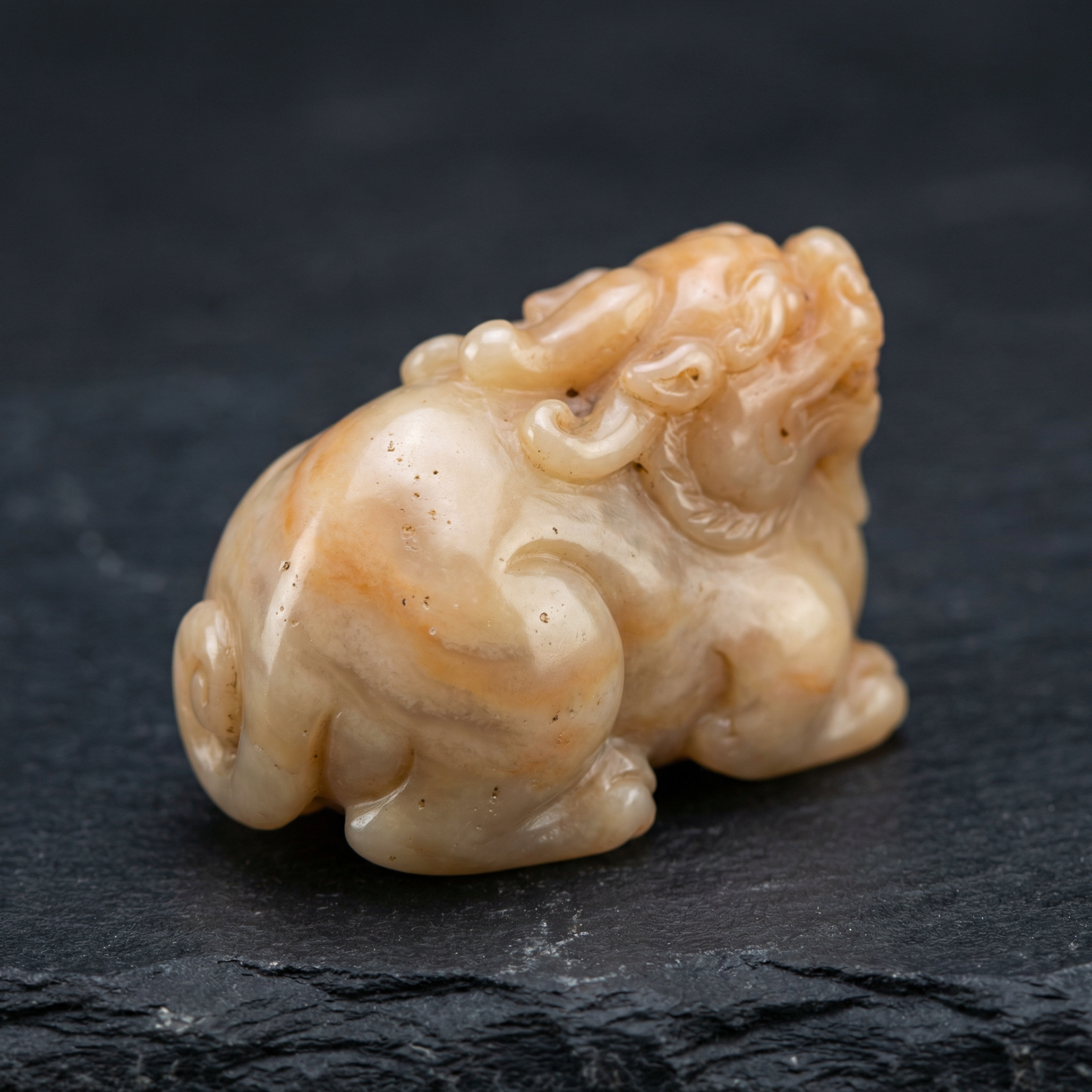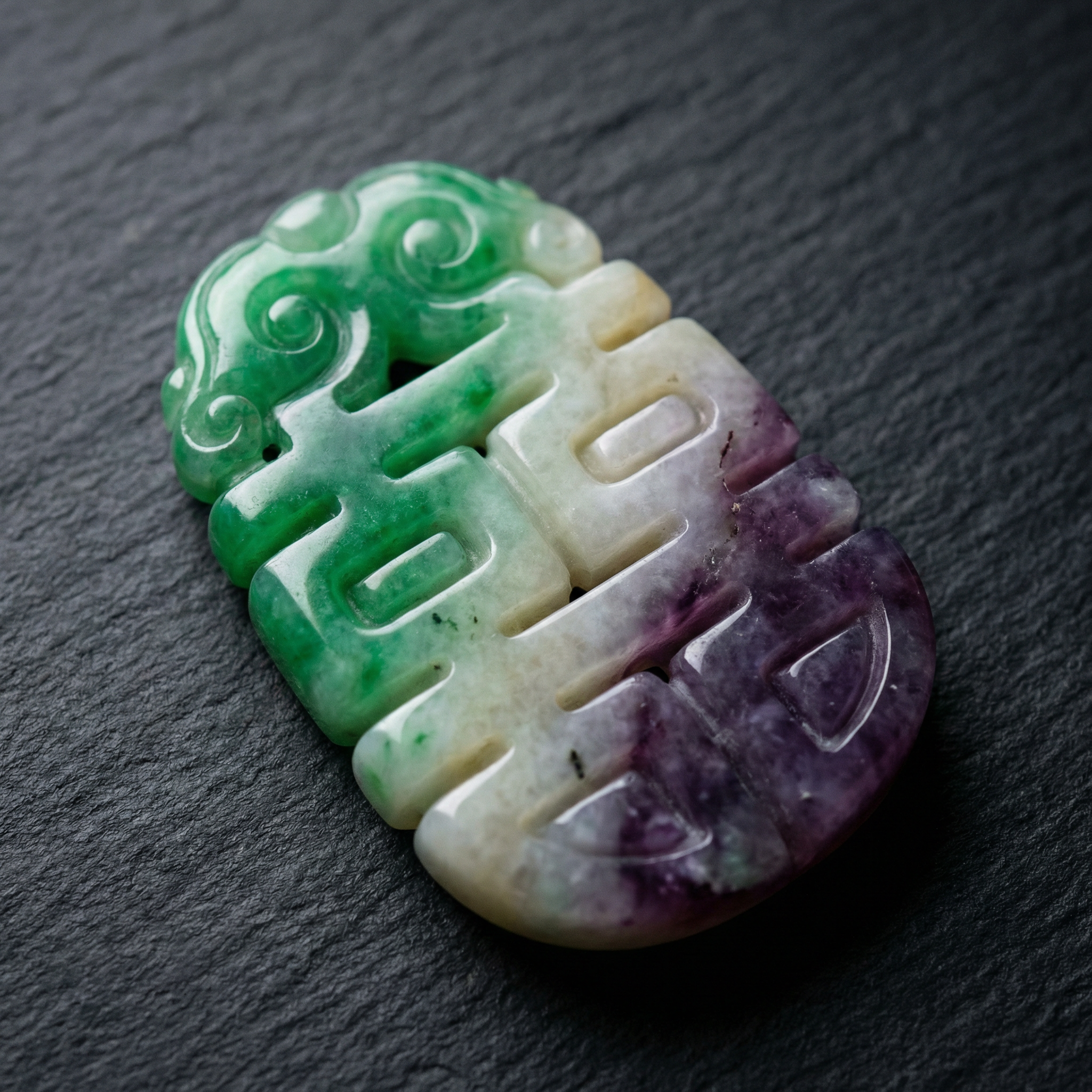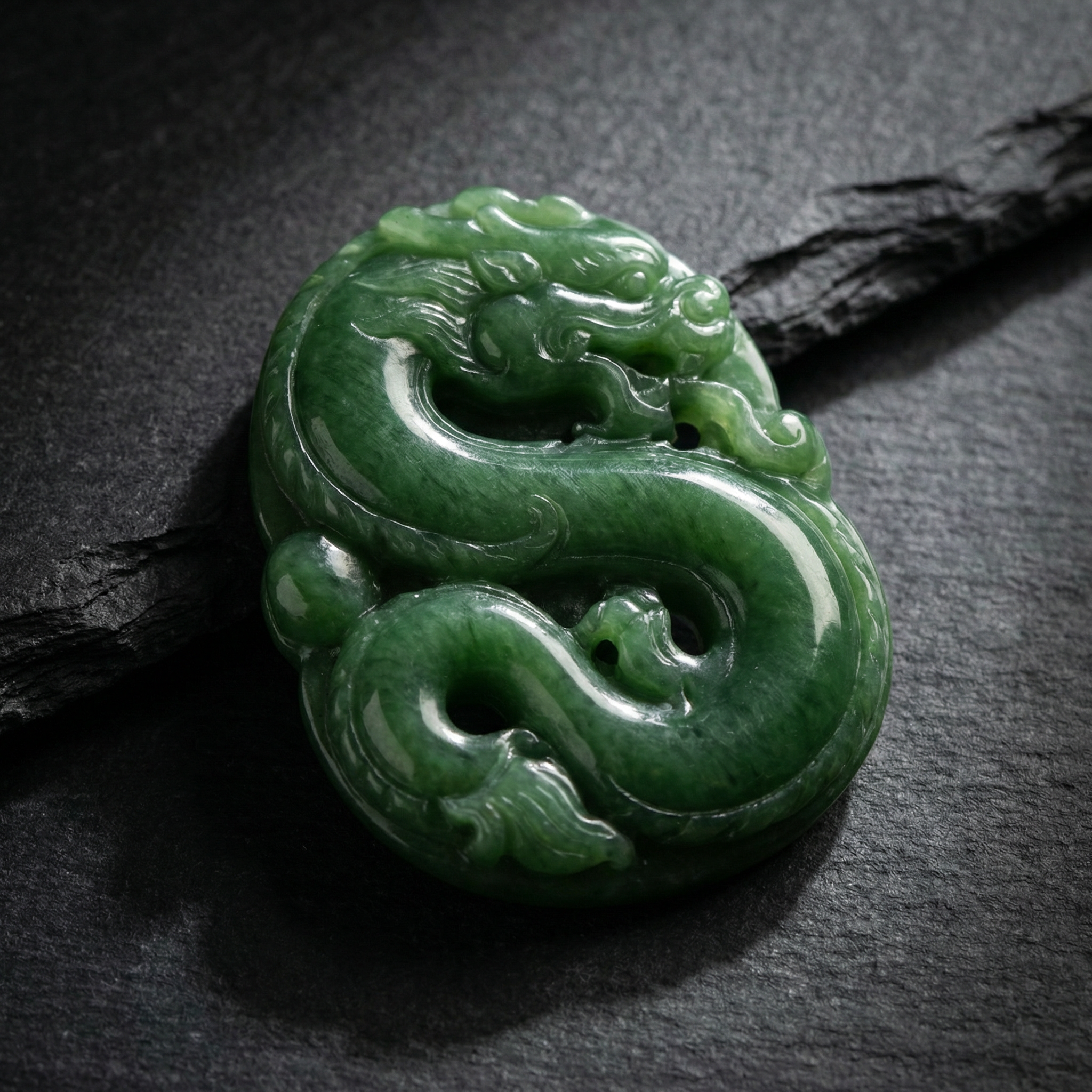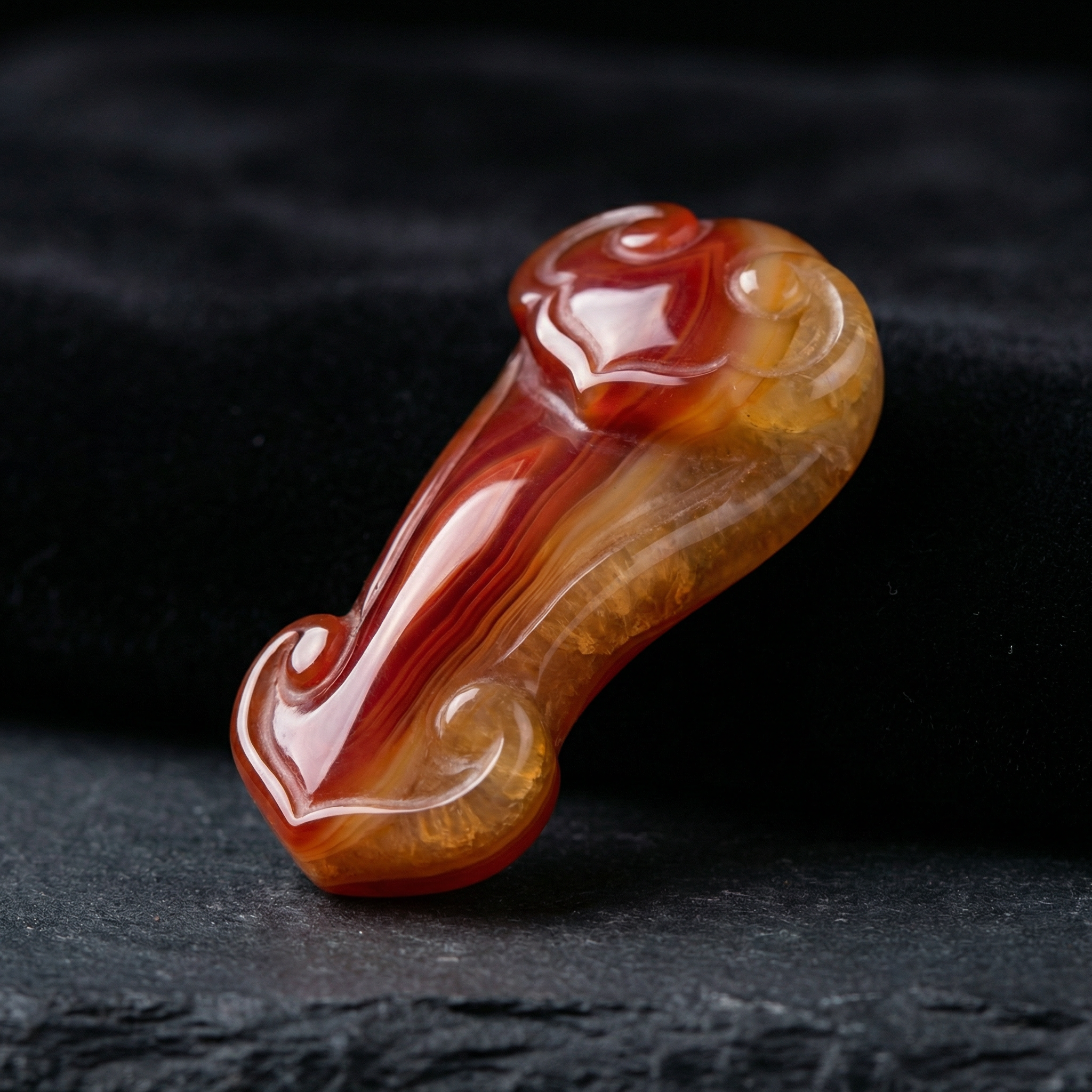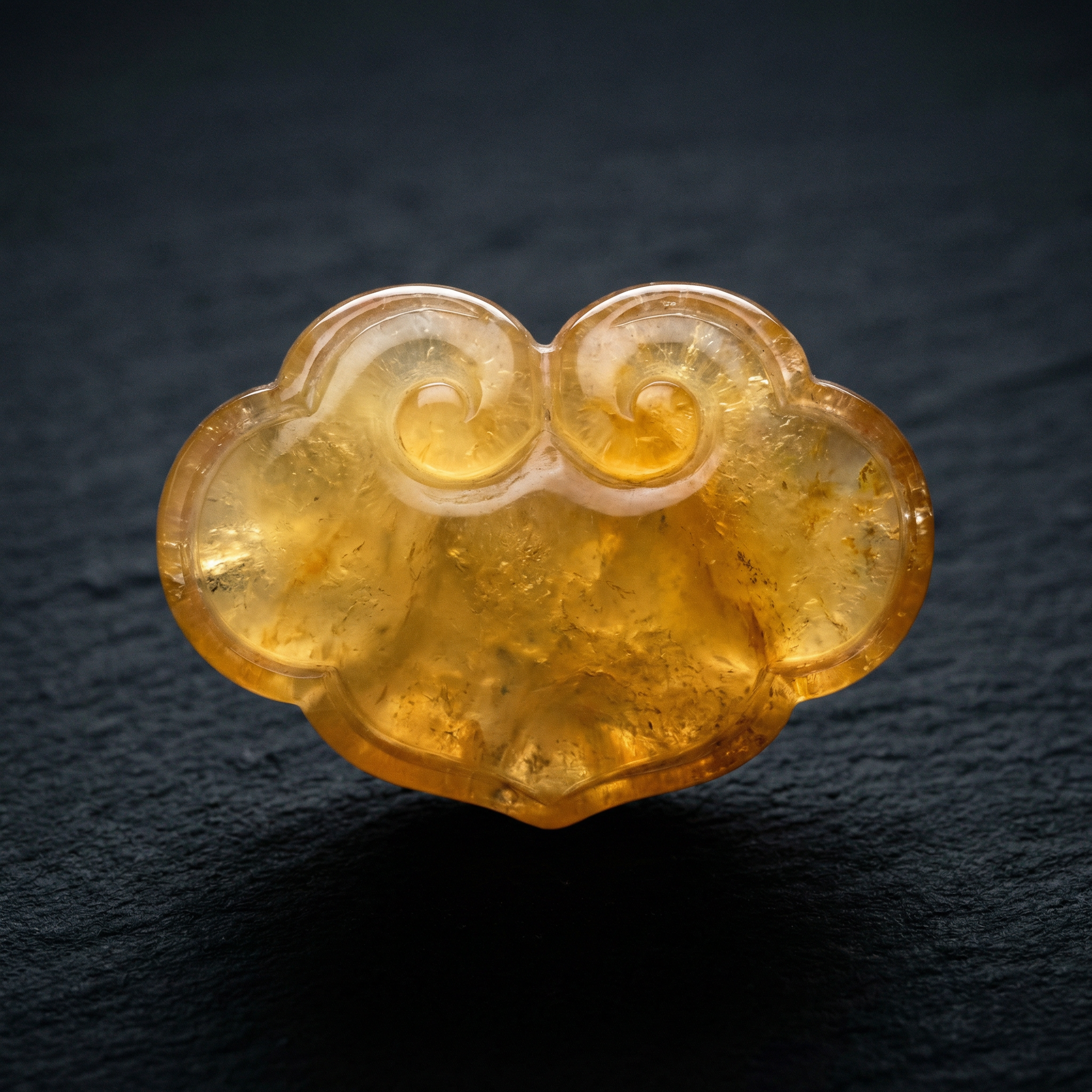
Huanglong Jade (Chalcedony)
Huanglong Jade is a type of chalcedony discovered in Yunnan, China in 2004. Initially known as 'yellow wax stone', it gained fame for its fine texture, vibrant yellow-to-red colors, and hardness comparable to jadeite. It has quickly become a cherished gemstone in Chinese culture, symbolizing wealth, fortune, and imperial power, and is prized for both ornamental and collectible purposes.
Mohs Hardness
6.5-7.0
Origin
Longling County (Yunnan), Xiaoheishan (Yunnan), Zhen'an (Yunnan), Supa River (Yunnan)
Market Price Range
Commercial Grade: $5 - $30 per piece or per gram. Medium Quality: $30 - $150 per gram. High to Top Grade: $150 - $800+ per gram, with exceptional carvings fetching significantly higher prices.
Detailed Description
Identification Methods
Color Observation: Genuine Huanglong Jade exhibits a rich and layered range of warm tones, from light yellow to deep red, with a natural, gentle transition. Imitations often have a flat, unnatural, or overly uniform color.
Texture and Luster: It has a fine, smooth, and moist texture, often described as 'greasy' or 'waxy,' with a soft, vitreous to greasy luster. Fakes may feel dry or glassy.
Check for Hardness: With a Mohs hardness of 6.5-7, it can scratch glass. This helps distinguish it from softer materials like soapstone or some marbles.
Internal Structure: Examine the internal structure with a loupe. High-quality Huanglong Jade is a cryptocrystalline aggregate, appearing very fine and uniform. Coarser textures or crystalline structures may indicate a different stone.
Sound Test: Gently tapping two pieces together produces a crisp, clear, metallic sound, whereas fakes or lower-quality stones may produce a dull thud.
Market Information
The market for Huanglong Jade has experienced significant volatility since its discovery. After an initial speculative boom around 2010, prices corrected but have since stabilized, particularly for high-quality material. As of 2024-2026, the market is more mature, with discerning collectors focusing on top-tier pieces characterized by exceptional color, translucency, and size. While commercial-grade items are widely available, investment-grade Huanglong Jade remains scarce, sustaining its value and long-term appreciation potential.
Classification
Chalcedony (Cryptocrystalline Quartz)
Curated selections with appraisal guarantee