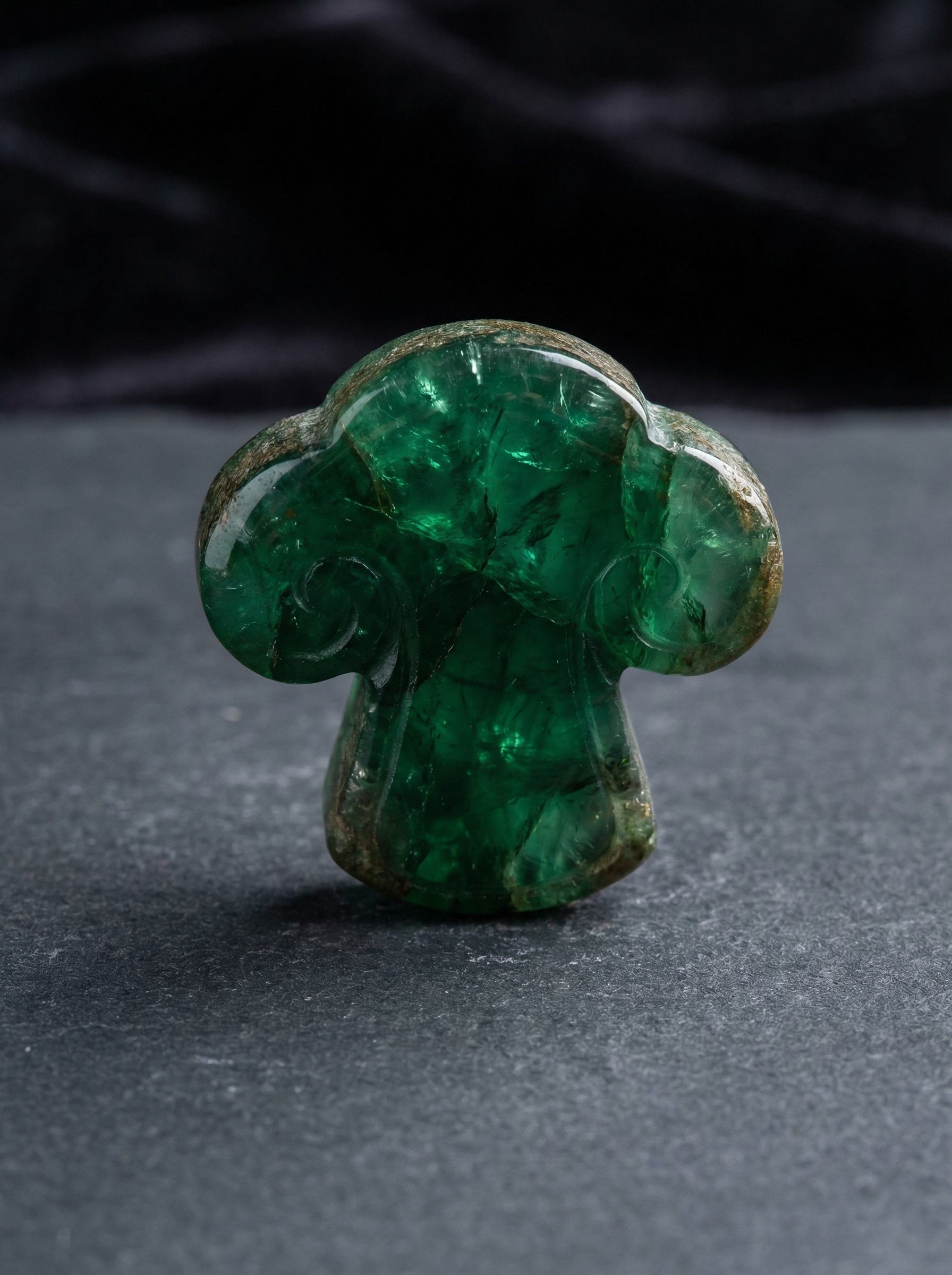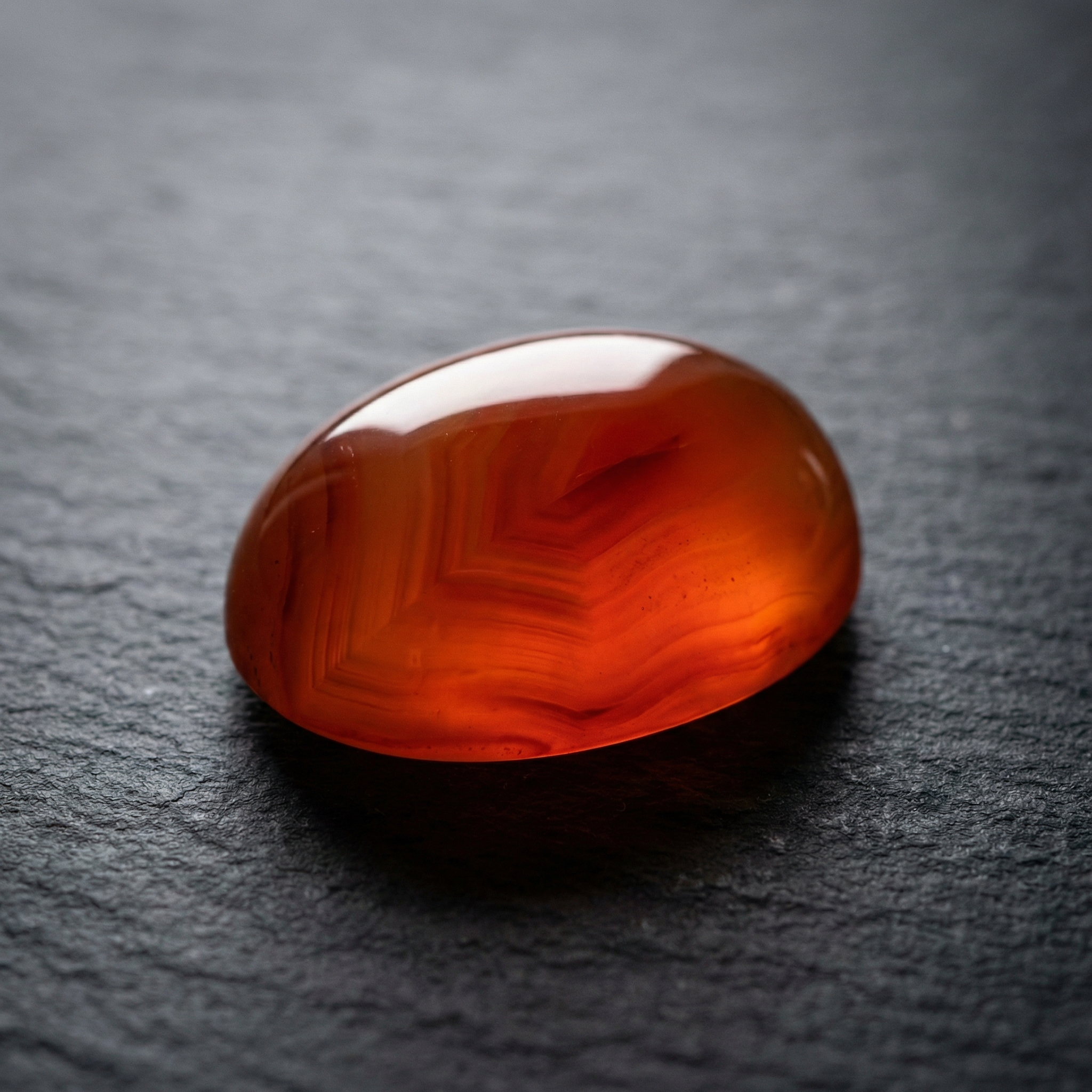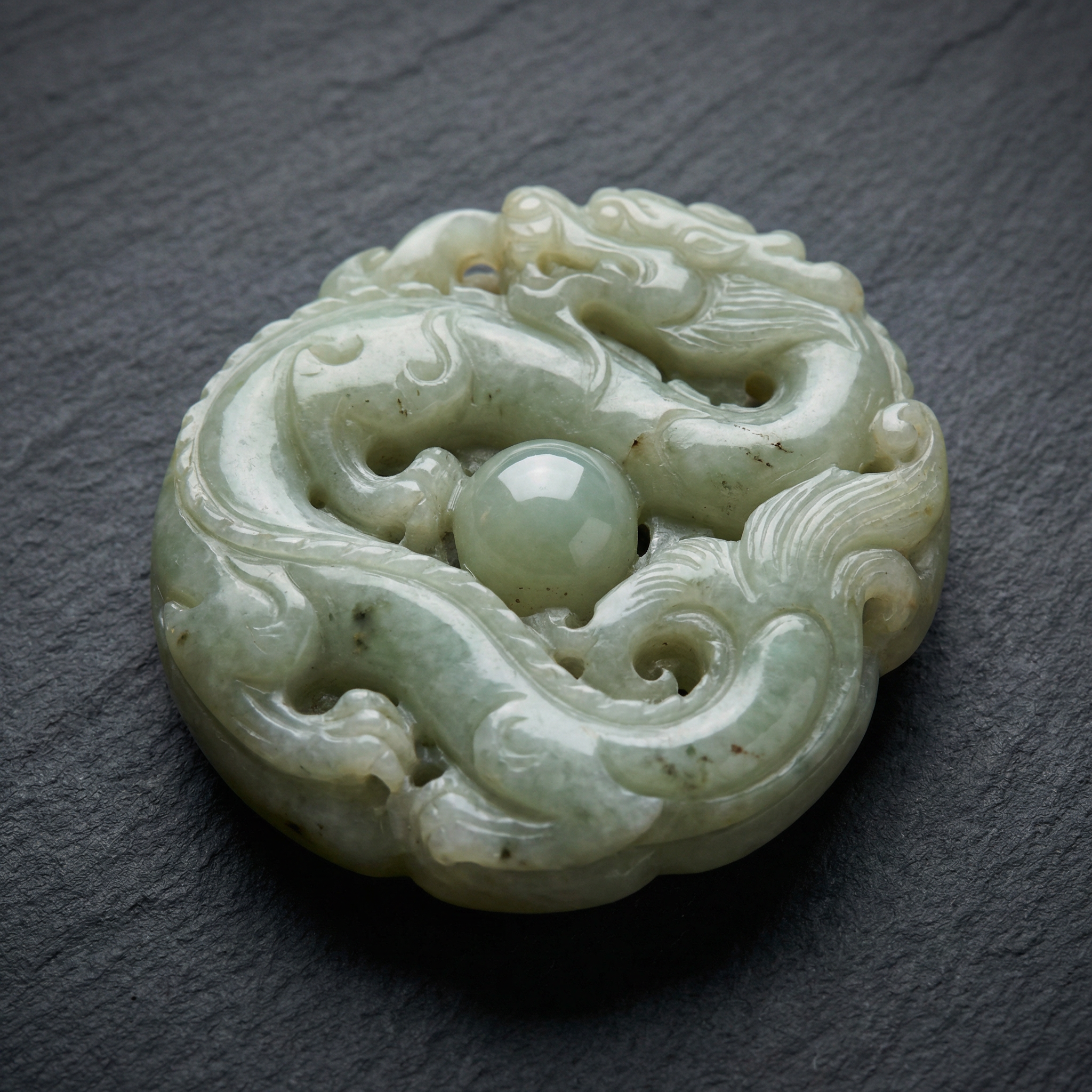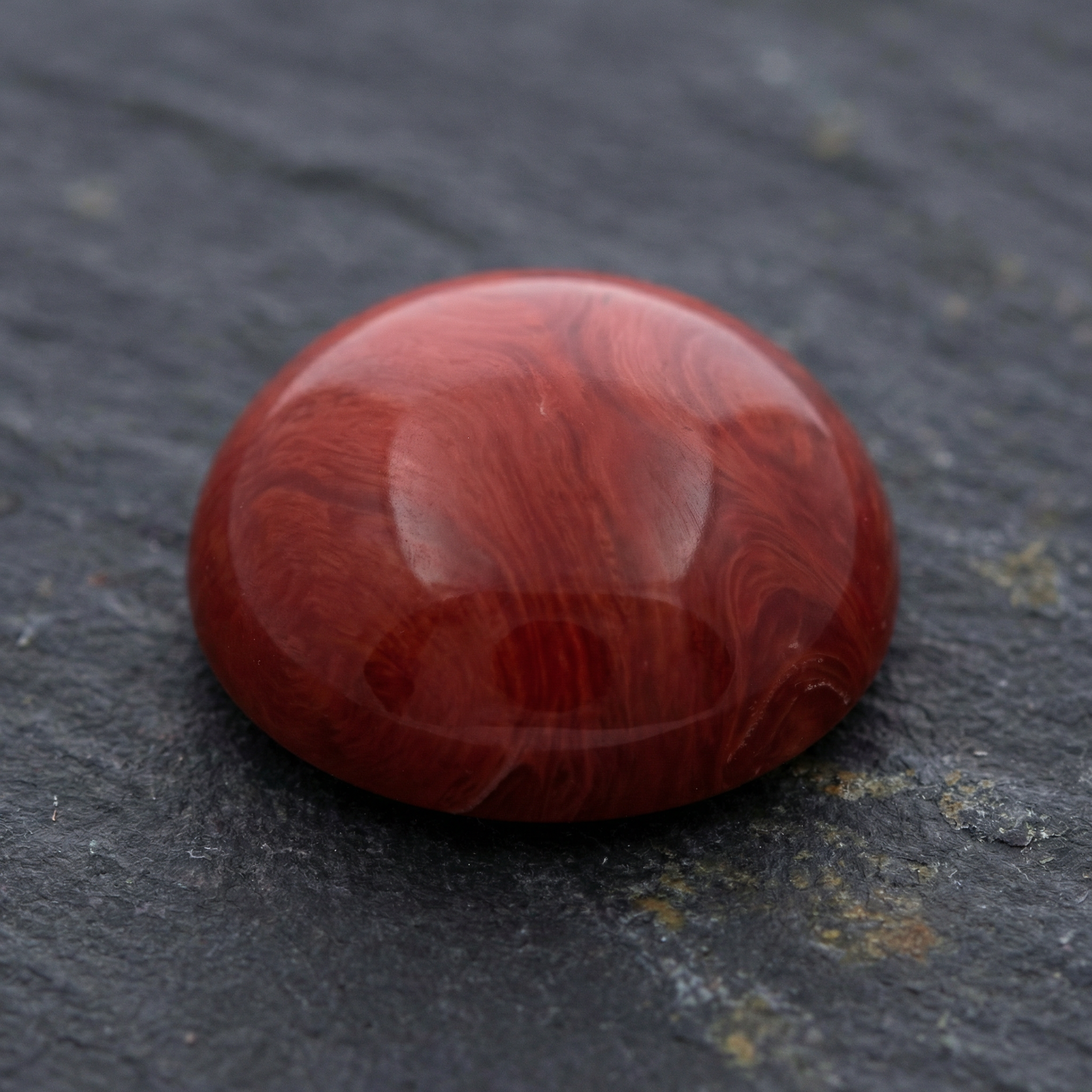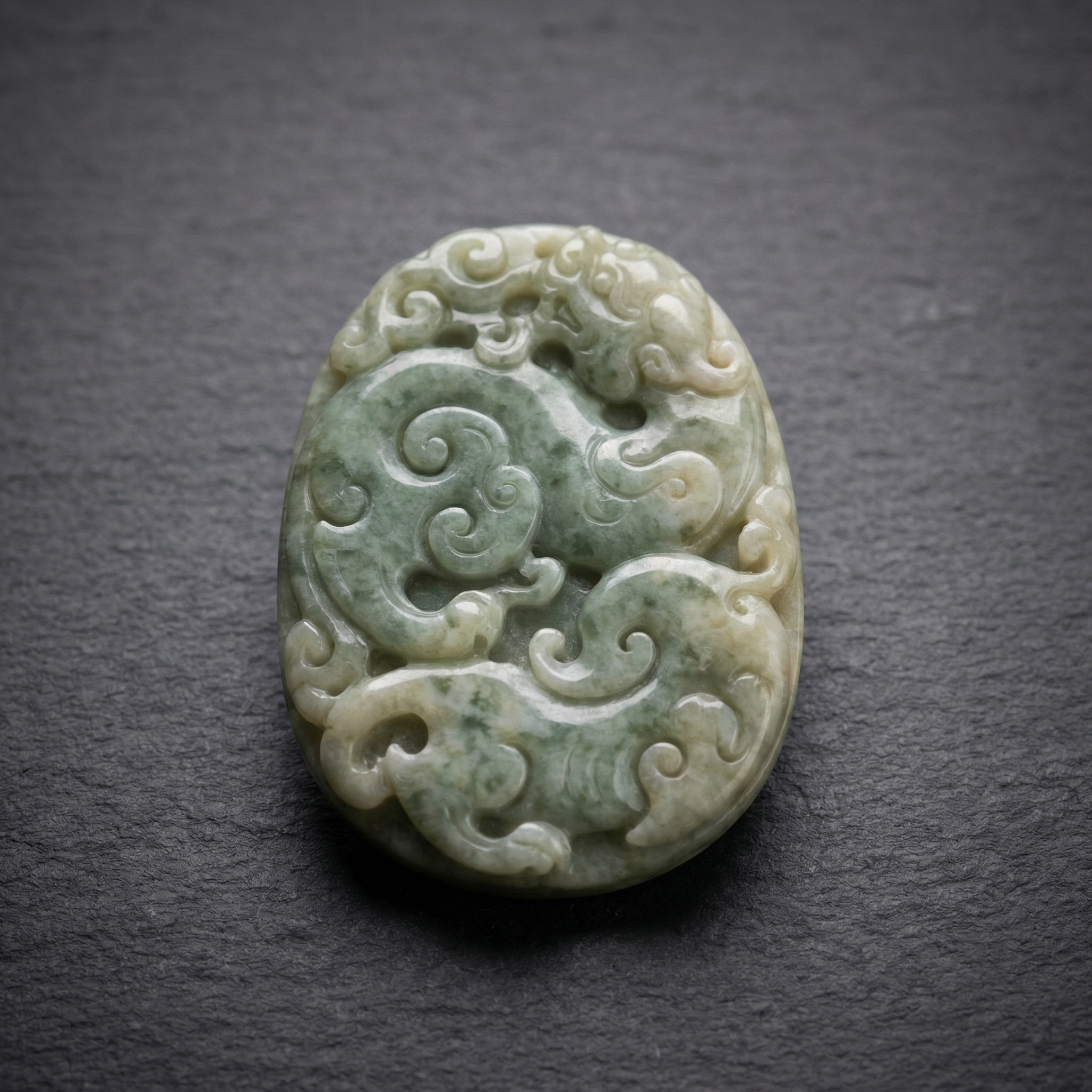
Lantian Jade (Serpentine Jade)
Lantian Jade is one of the four great jades of China, named for its origin in the Lantian mountains of Xi'an, Shaanxi. It is characterized by its unique serpentinized marble composition, offering a rich palette of colors from white and beige to emerald and dark green, often displaying cloud-like or banded patterns. With a history stretching back to the Neolithic era, Lantian Jade was extensively used in ancient times for ritual objects, ornaments, and artworks, embodying the profound heritage of Chinese jade culture.
Mohs Hardness
2-6
Origin
Lantian County, Xi'an, Shaanxi
Market Price Range
Common quality: $10 - $100 per piece; Medium quality: $100 - $1,000 per piece; High quality or ancient jade: $1,000 - $10,000 per piece, with higher prices for rare treasures.
Detailed Description
Identification Methods
Color Observation: Displays a range of colors including white, cyan, yellow, and green, often with uneven distribution in bands, patches, or cloud-like patterns.
Hardness Test: Has a low Mohs hardness of 2-6, making it easily scratched by a knife, which distinguishes it from harder jades like Jadeite and Nephrite.
Feel and Texture: The texture is generally fine, but it lacks the oily smoothness of high-quality Nephrite jade; some varieties may feel slightly slippery.
Magnified Inspection: Under a magnifying glass, its characteristic serpentine mineral structure is visible. The absence of cracks is a sign of higher quality.
Water Drop Test: Place a drop of water on the surface; if it beads up and does not spread out for a long time, it indicates genuine jade.
Market Information
As one of China's famous jades, Lantian Jade enjoys good market recognition, though its price is relatively affordable compared to jadeite or Hetian jade. Due to its lower hardness, it is more commonly used for decorative items, bangles, and pendants rather than intricate carvings. In recent years, with the overall rise in the jade market, the value of high-quality Lantian Jade has steadily increased, showing good potential for appreciation, especially for pieces with unique colors or historical significance.
Classification
Serpentinized Marble
Curated selections with appraisal guarantee