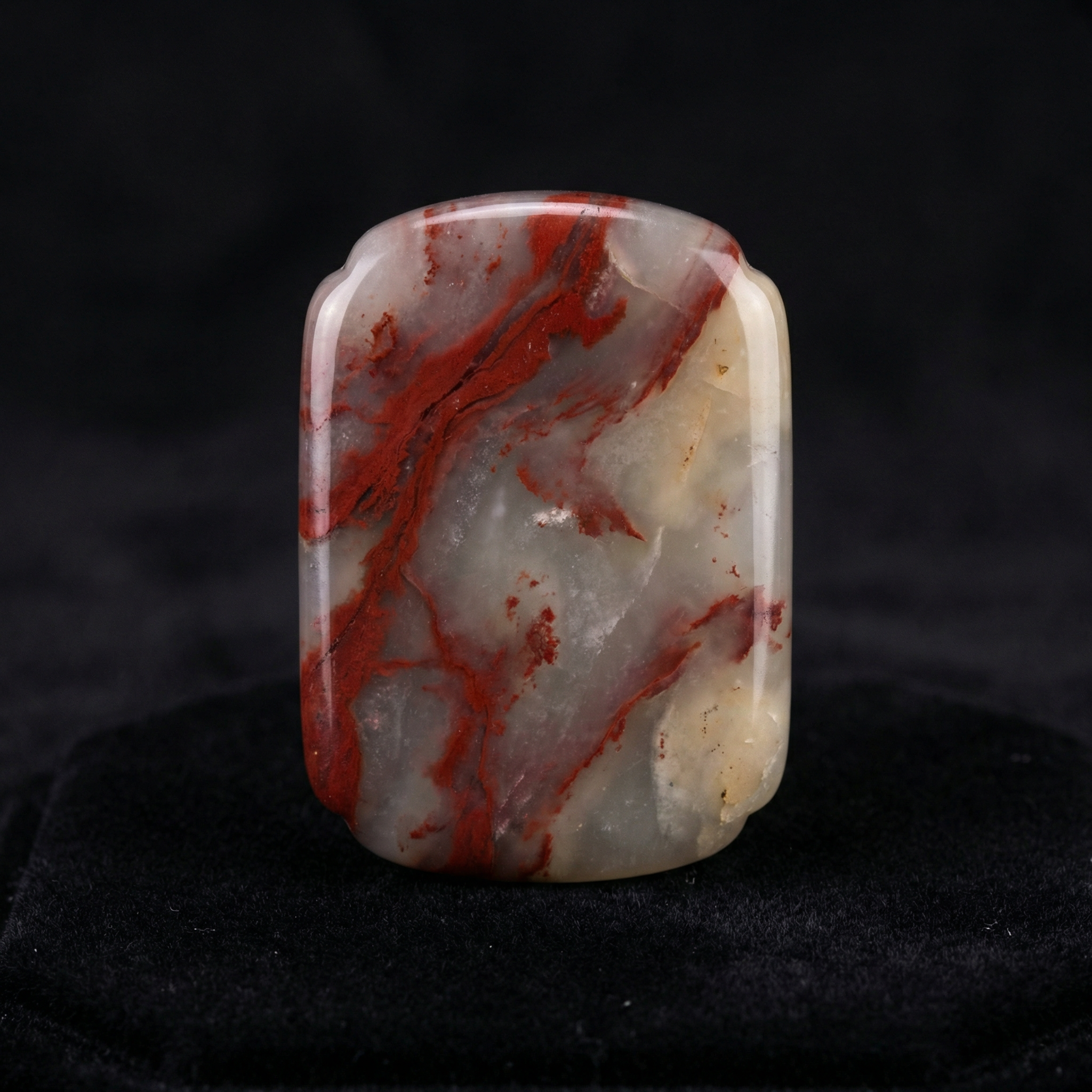
Chicken Blood Stone (Rock)
Chicken Blood Stone is a prized ornamental rock from China, renowned for its vivid red patterns resembling fresh chicken blood. It is a mixture of minerals, primarily dickite or kaolinite with cinnabar, which provides the red color. Historically used for crafting exquisite seals, carvings, and decorative items, it is highly valued in Chinese culture as a symbol of fortune, prosperity, and vitality, making it a favorite among collectors and artists.
Mohs Hardness
2.0-7.0
Origin
Changhua, Zhejiang, China, Balin Right Banner, Inner Mongolia, China, Xunyang, Shaanxi, China
Market Price Range
Standard Grade: Less 'blood' color, average texture, $50 - $500 per piece.||Mid-Grade: Over 50% 'blood' coverage, good texture, $5,000 - $50,000 per piece.||Treasure Grade (e.g., 'Da Hong Pao'): Full 'blood' coverage, translucent, can reach hundreds of thousands to millions of USD per piece.
Detailed Description
Identification Methods
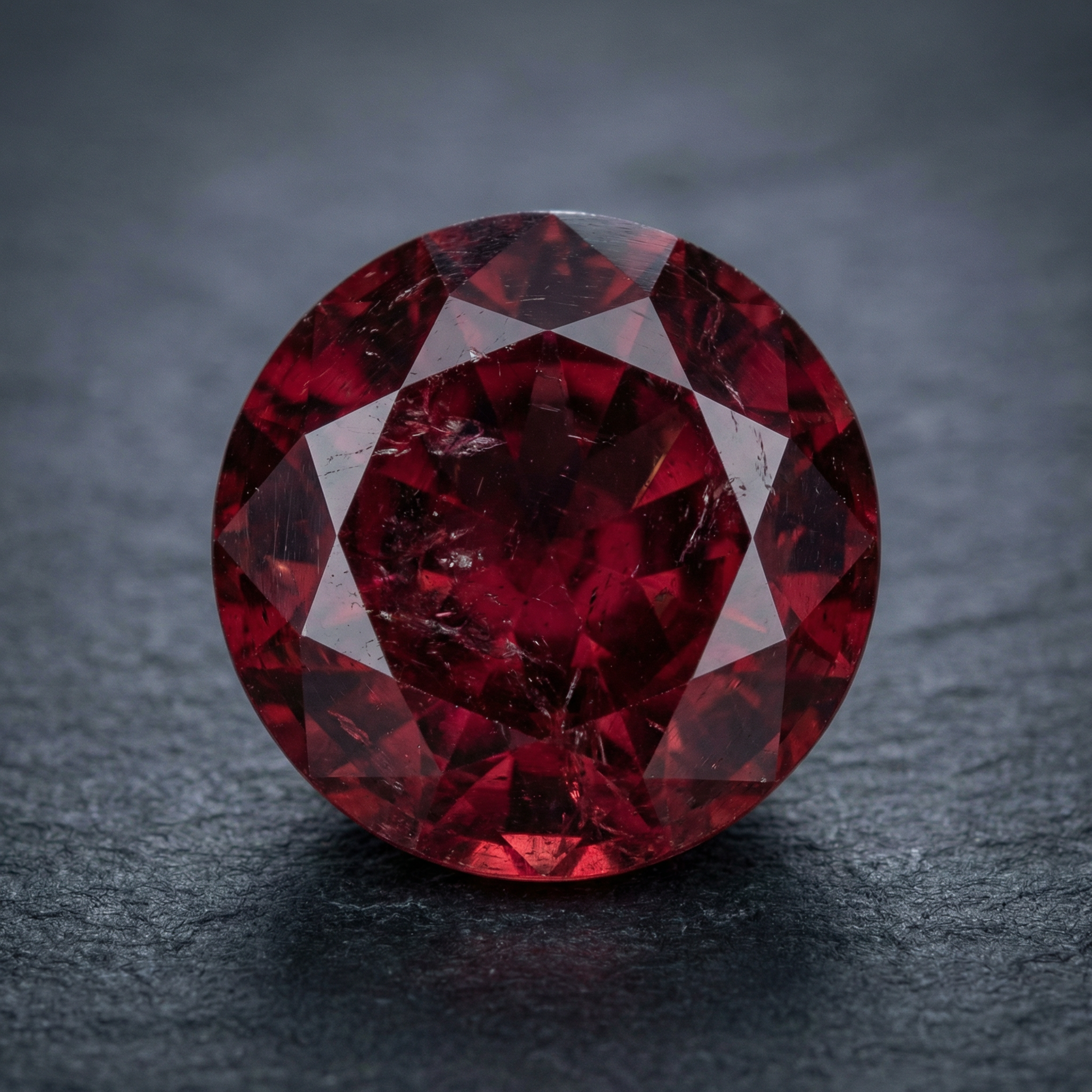
Observe the color: The 'blood' color is best when it is fresh, condensed, and thick. The brighter, more concentrated, and three-dimensional the red, the higher the quality.
Check the texture: The base material ('ground') should be clean, fine, and free of impurities, with the 'jelly' ground being the best.
Test the hardness: The hardness of Chicken Blood Stone varies greatly (2-7). You can use a small knife to scratch an inconspicuous area. Genuine soft and jelly types will produce a powder, while imitations (like resin) will produce curled shavings and have a plastic feel.
Examine the blood shape: The shape of the 'blood' is diverse, including flake-like, band-like, and star-like forms. Natural and smooth shapes are preferred.
Weigh it by hand: For the same volume, Chicken Blood Stone is heavier than common imitations (like plastic or resin) and has a noticeable weight in hand.
Market Information
The market for Chicken Blood Stone remains strong, driven by its rarity and cultural significance. High-quality pieces, especially those with vibrant, well-distributed 'blood' and a fine, translucent base, command premium prices at auctions and in private sales. Due to resource depletion at major mines like Changhua, the value of top-grade stones is expected to continue rising. Investors and collectors should be cautious of imitations and focus on acquiring authenticated pieces from reputable sources.
Classification
Rock (Cinnabar, Dickite/Kaolinite, Quartz)
Curated selections with appraisal guarantee