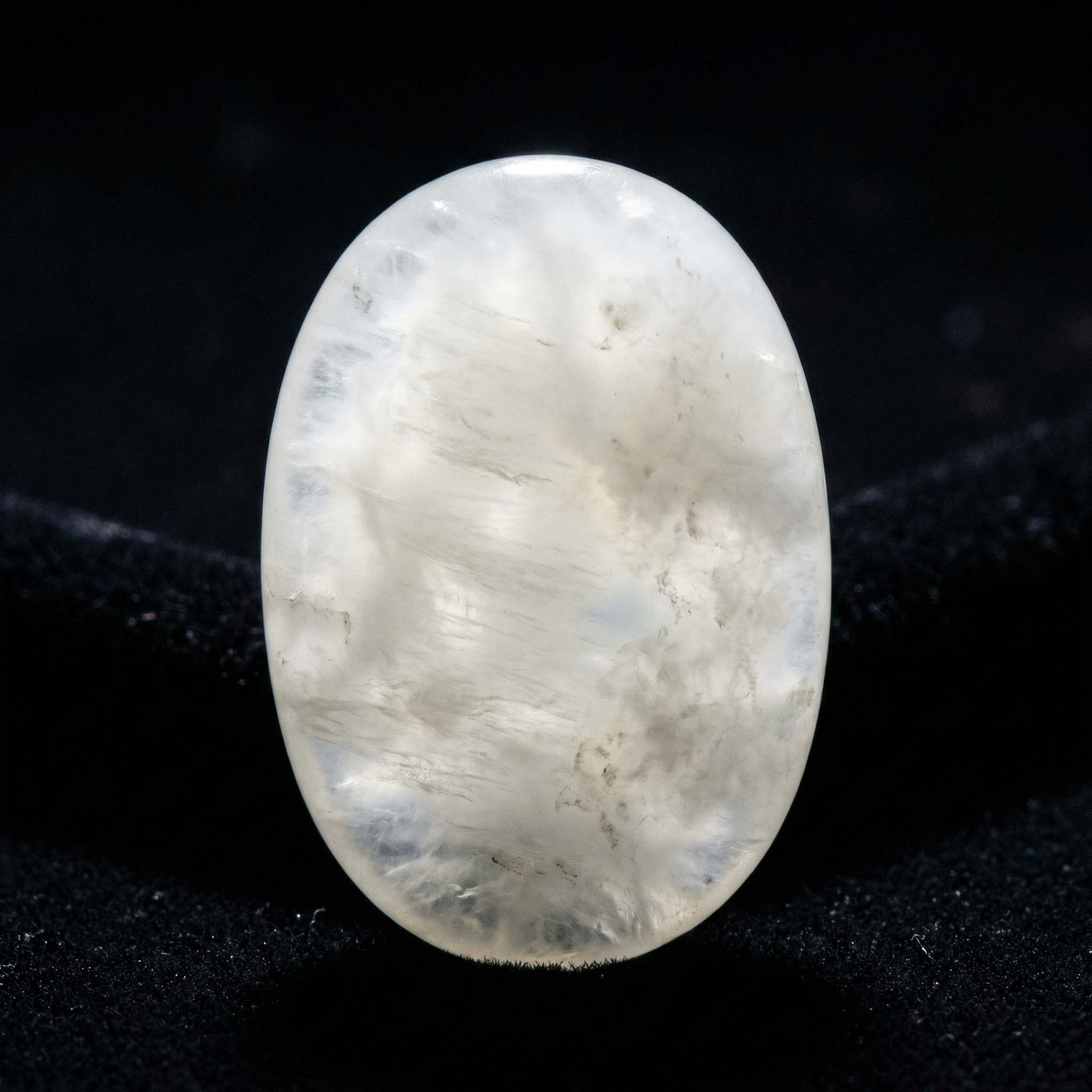
Afghan Jade (Calcite)
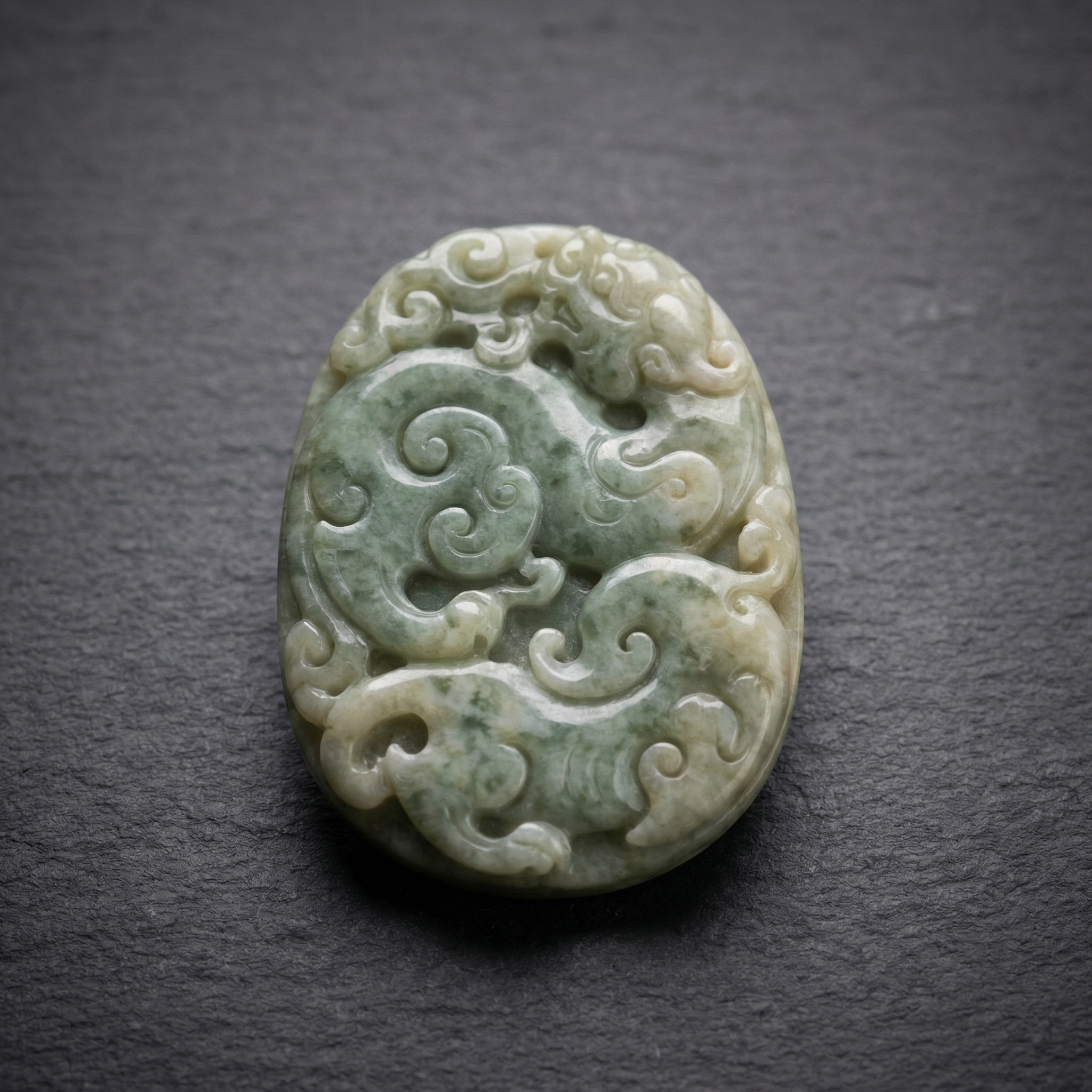
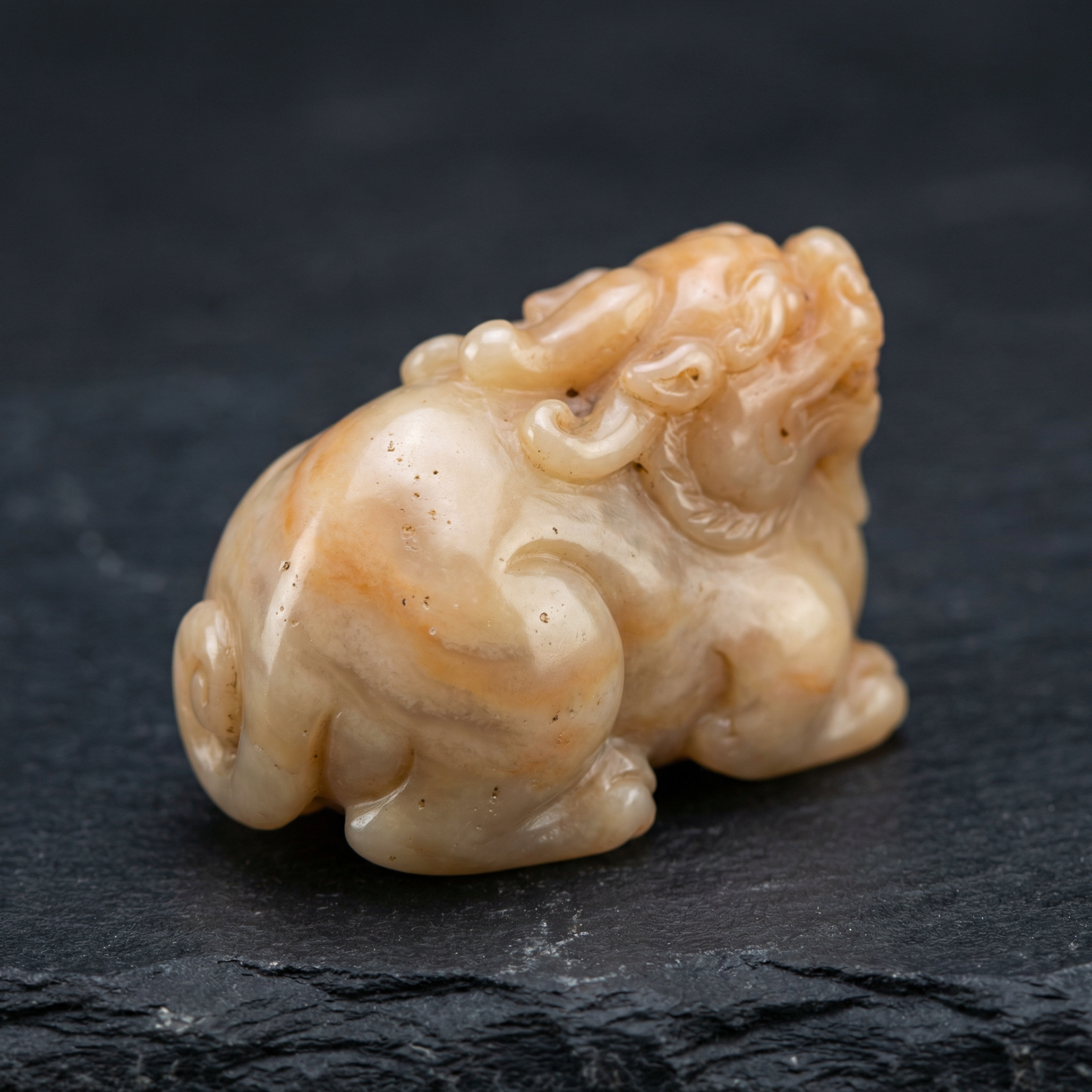
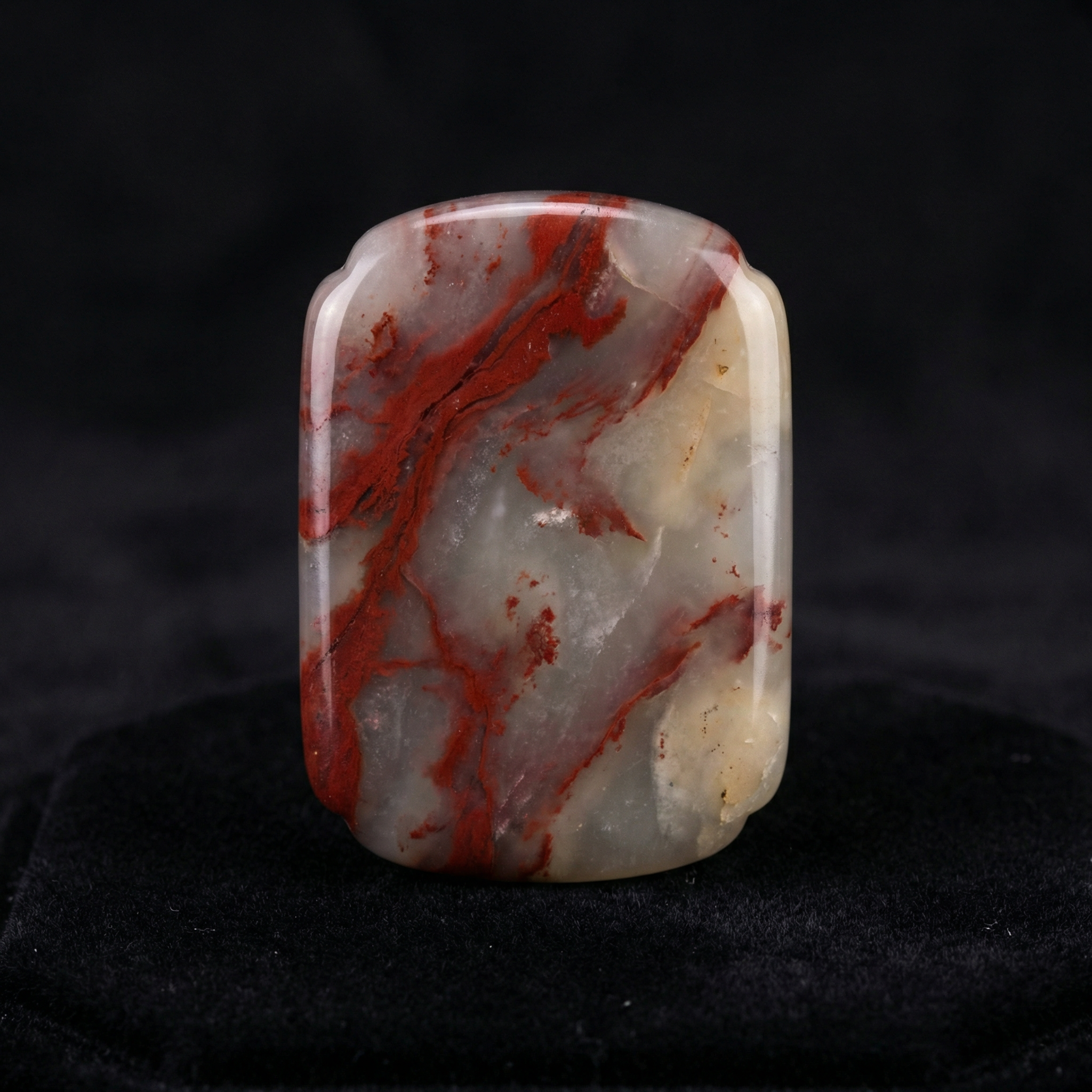
Afghan Jade is a common white gemstone named after its country of origin. It is not a traditional jade; its main mineral component is calcite, making it a type of marble. It features a fine, white texture, often with elegant patterns, and is easy to carve due to its low hardness. In the market, it is frequently used as an affordable substitute for white nephrite jade, crafted into various ornaments, bangles, and decorative items, appreciated by some for its accessible price and smooth appearance.
Mohs Hardness
3.0-4.0
Origin
Afghanistan, Pakistan, Iran
Market Price Range
Regular Quality: Bracelets or small pendants are priced between $7-$45 per piece; Medium Quality: Carved ornaments range from $45-$150 per piece; High Quality: Large, exquisitely crafted pieces can reach several hundred dollars, with value primarily in the craftsmanship rather than the material itself.
Detailed Description
Identification Methods
Hardness Test: Mohs hardness is only 3-4, much lower than nephrite jade (6-6.5); it can be easily scratched with a steel knife or glass.
Acid Reaction: Placing a drop of dilute hydrochloric acid on its surface will cause immediate bubbling, a typical characteristic of calcite.
Feel and Density: It has a lower density (around 2.7g/cm³), feeling lighter than nephrite jade of the same size.
Structural Observation: Its internal structure consists of granular calcite crystals, lacking the felted, fibrous interwoven structure characteristic of nephrite.
Luster Difference: It typically displays a waxy or glassy luster, lacking the unique, warm, greasy luster of nephrite jade.
Market Information
In the market, Afghan Jade is positioned as a low-grade gemstone or craft material. Due to its resemblance to high-end white jade, it is often used to create budget-friendly or imitation jade ornaments, meeting consumer demand for affordable decorative items. Its collection value is generally low because the material itself (calcite) is abundant, soft, and prone to wear. Market price is primarily determined by carving craftsmanship, size, and whiteness, rather than material rarity. Investors and collectors typically do not consider it a primary investment, viewing it more as a decorative good.
Classification
Marble (Mainly Calcite)
Curated selections with appraisal guarantee