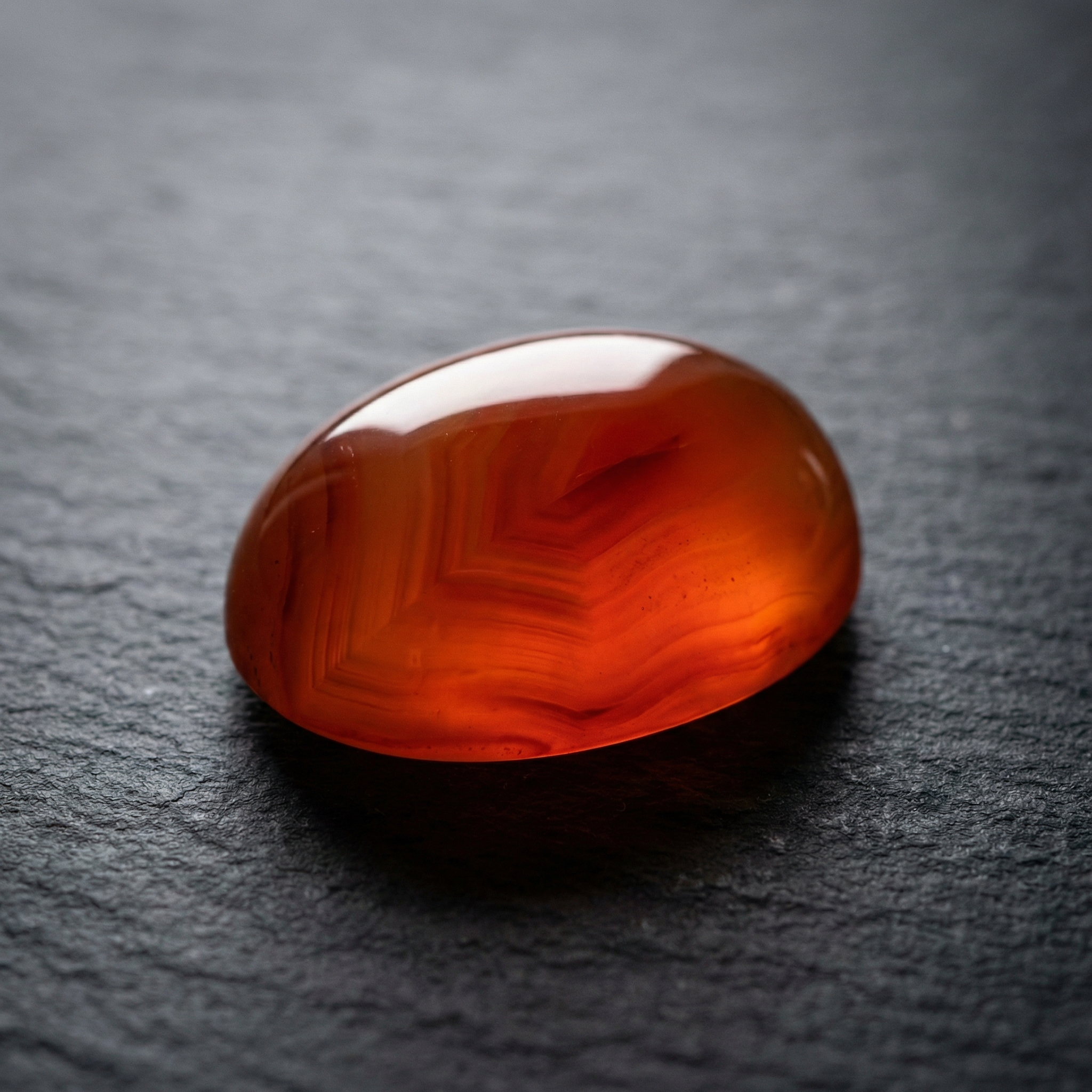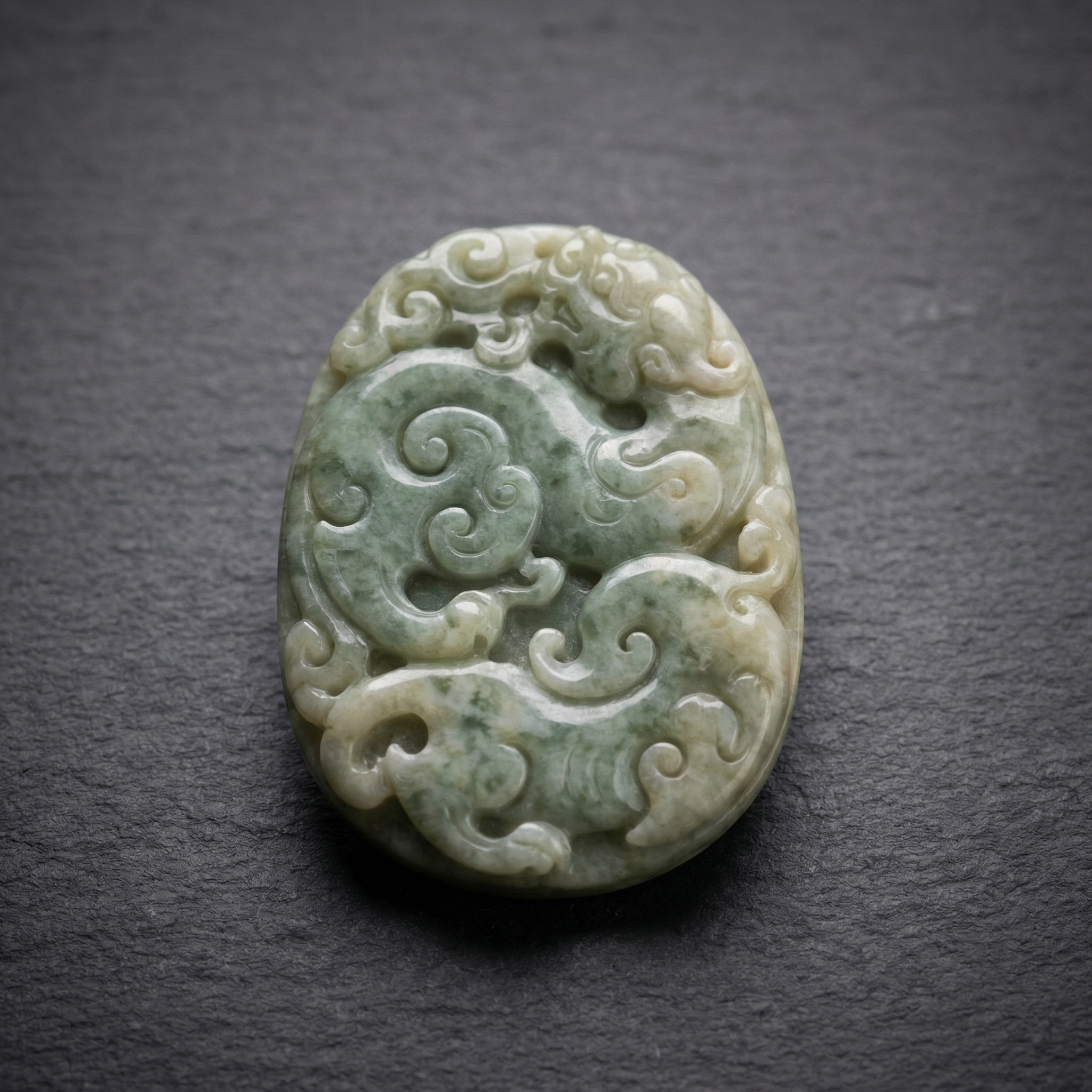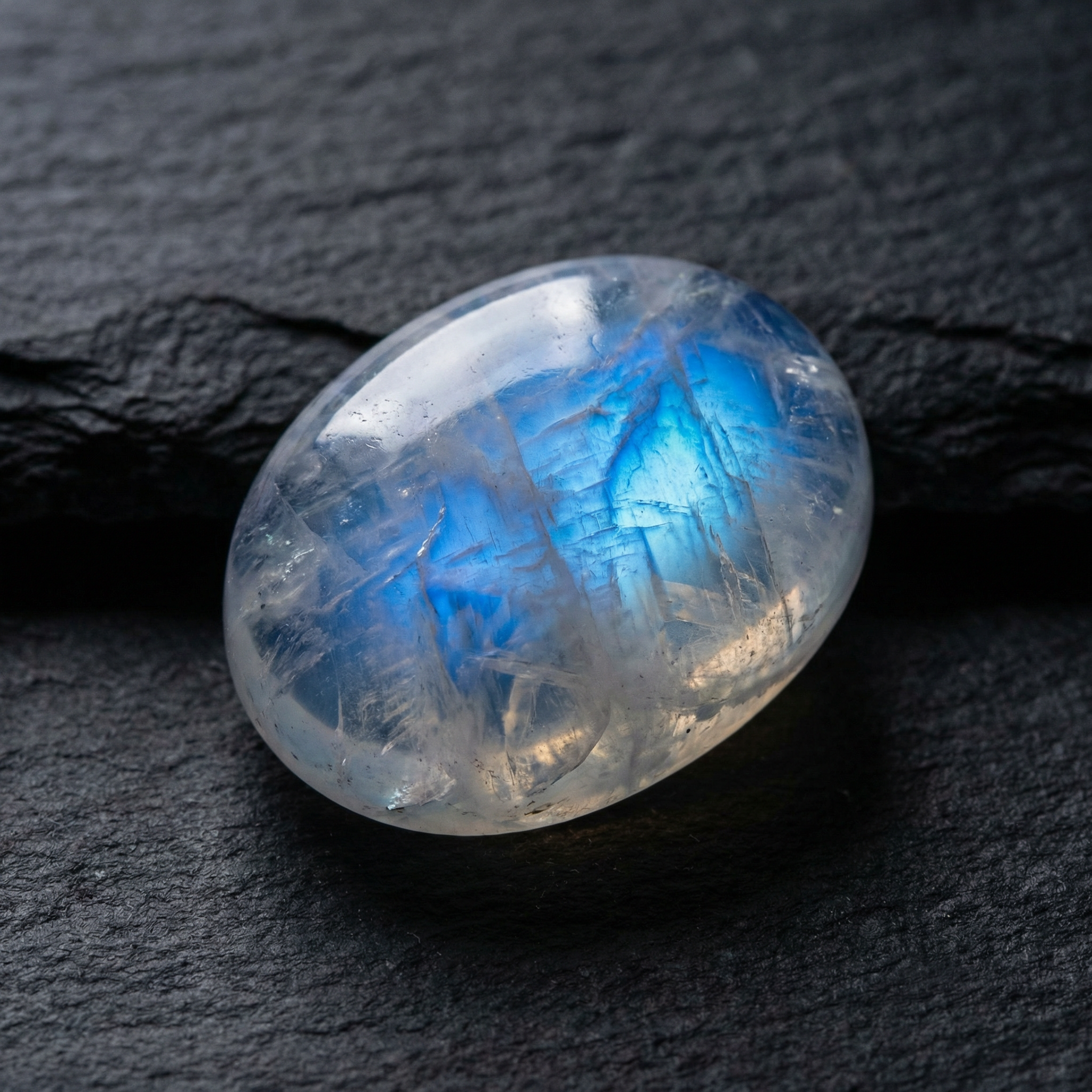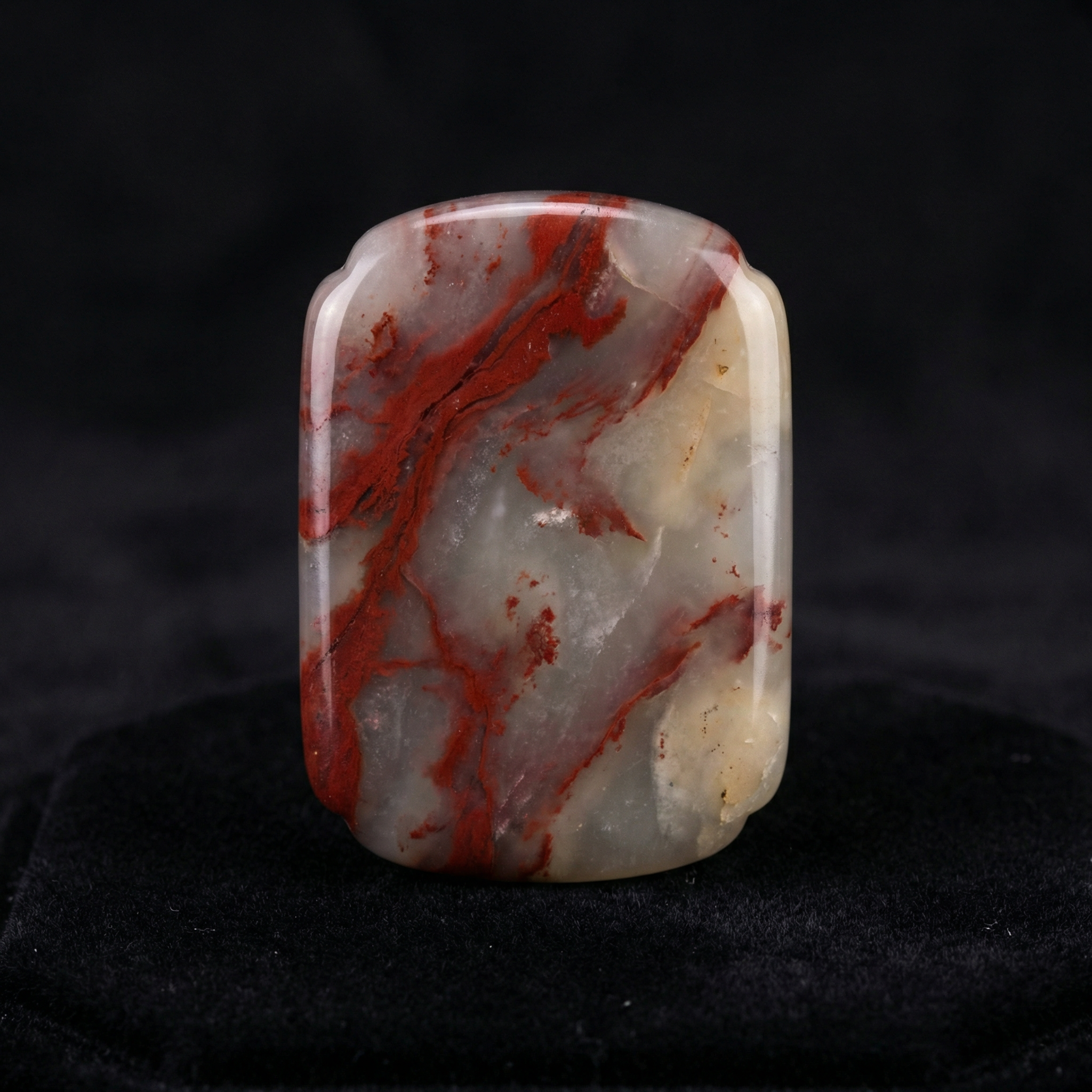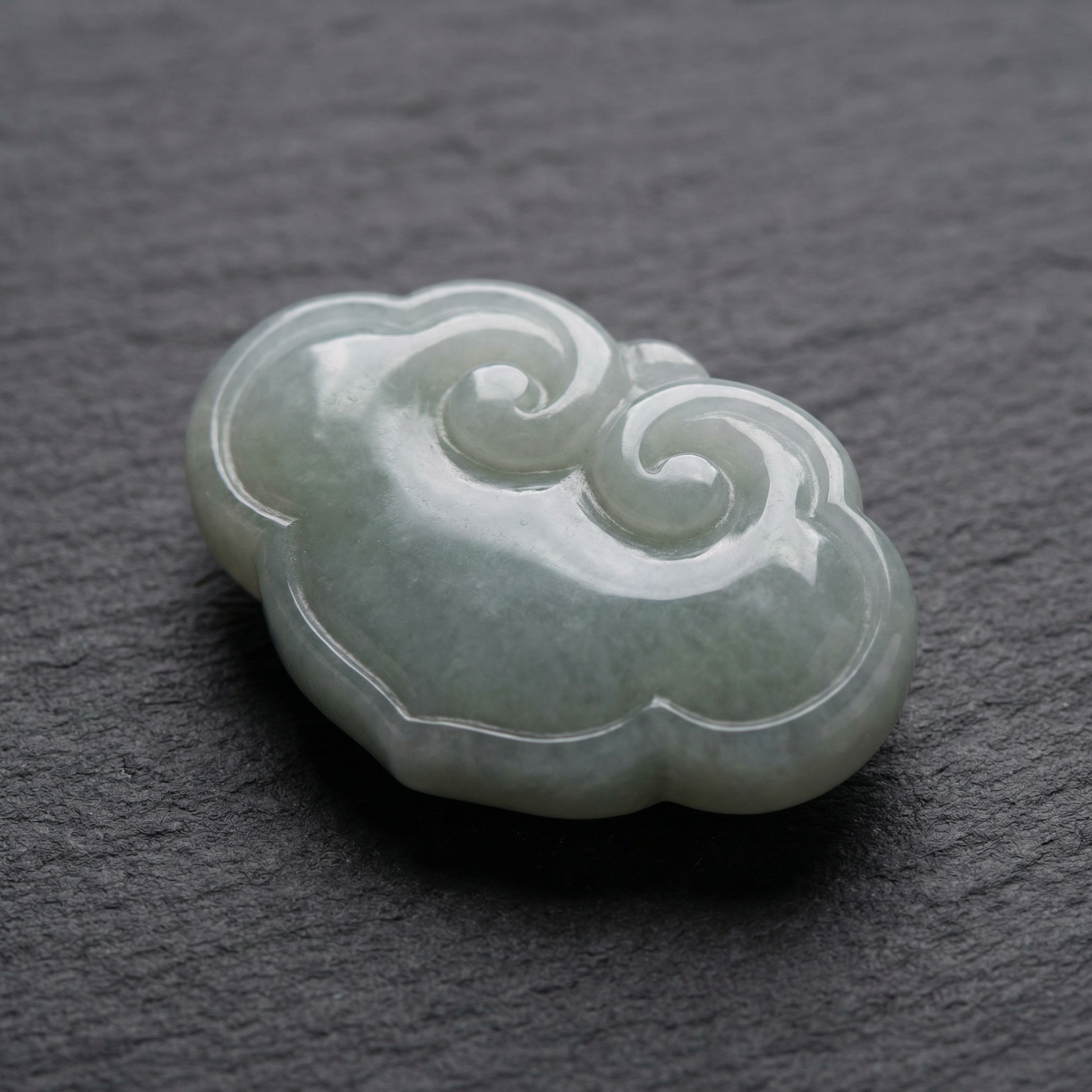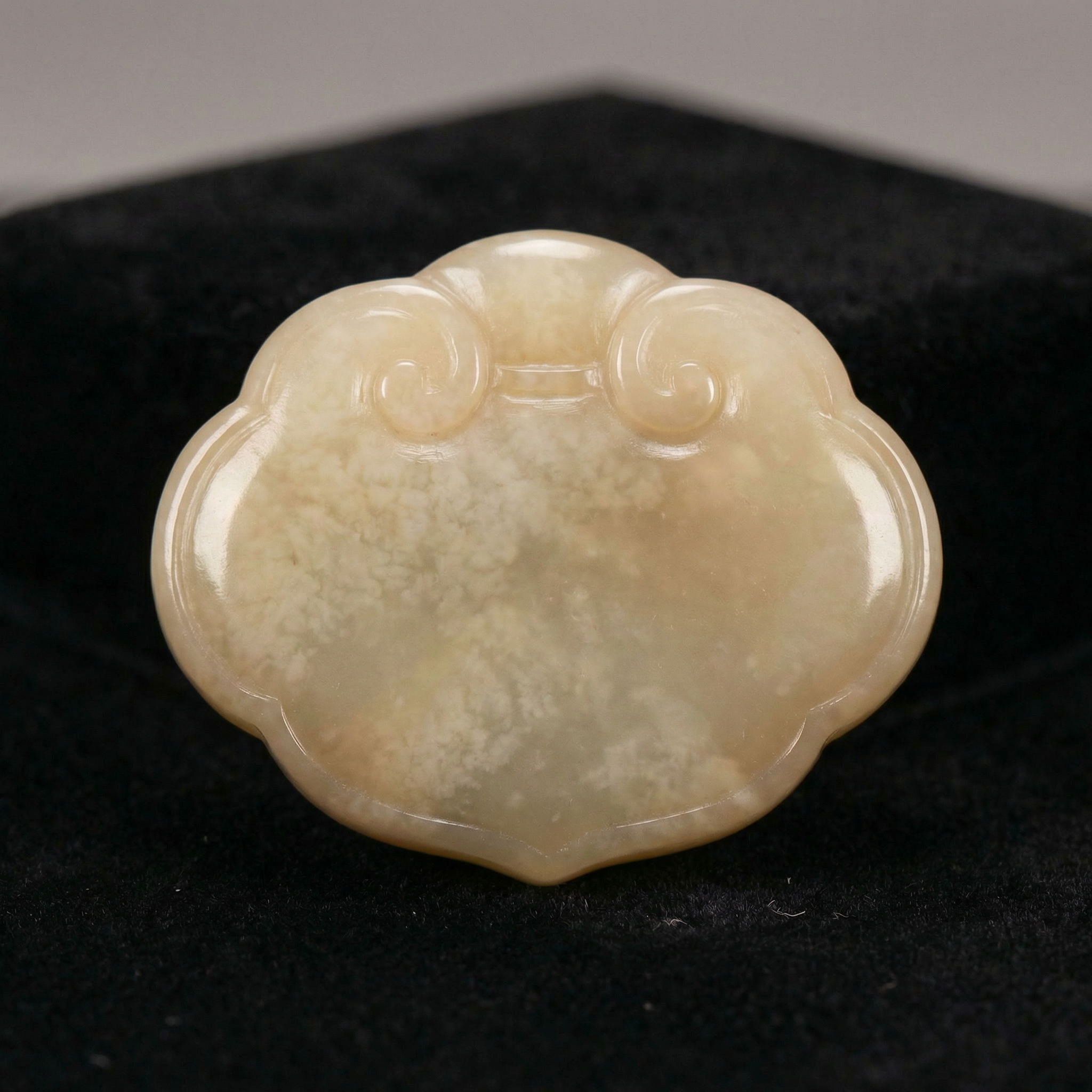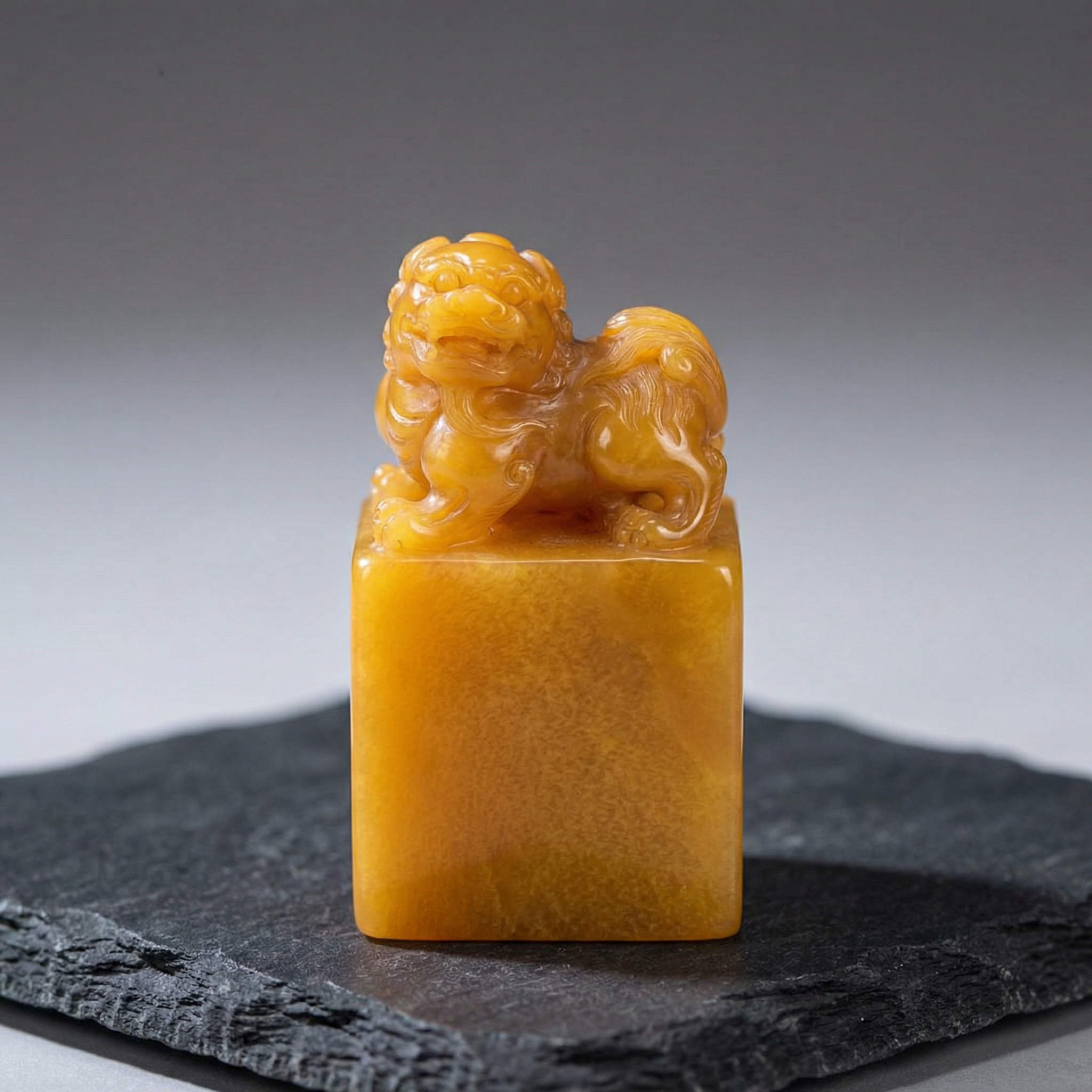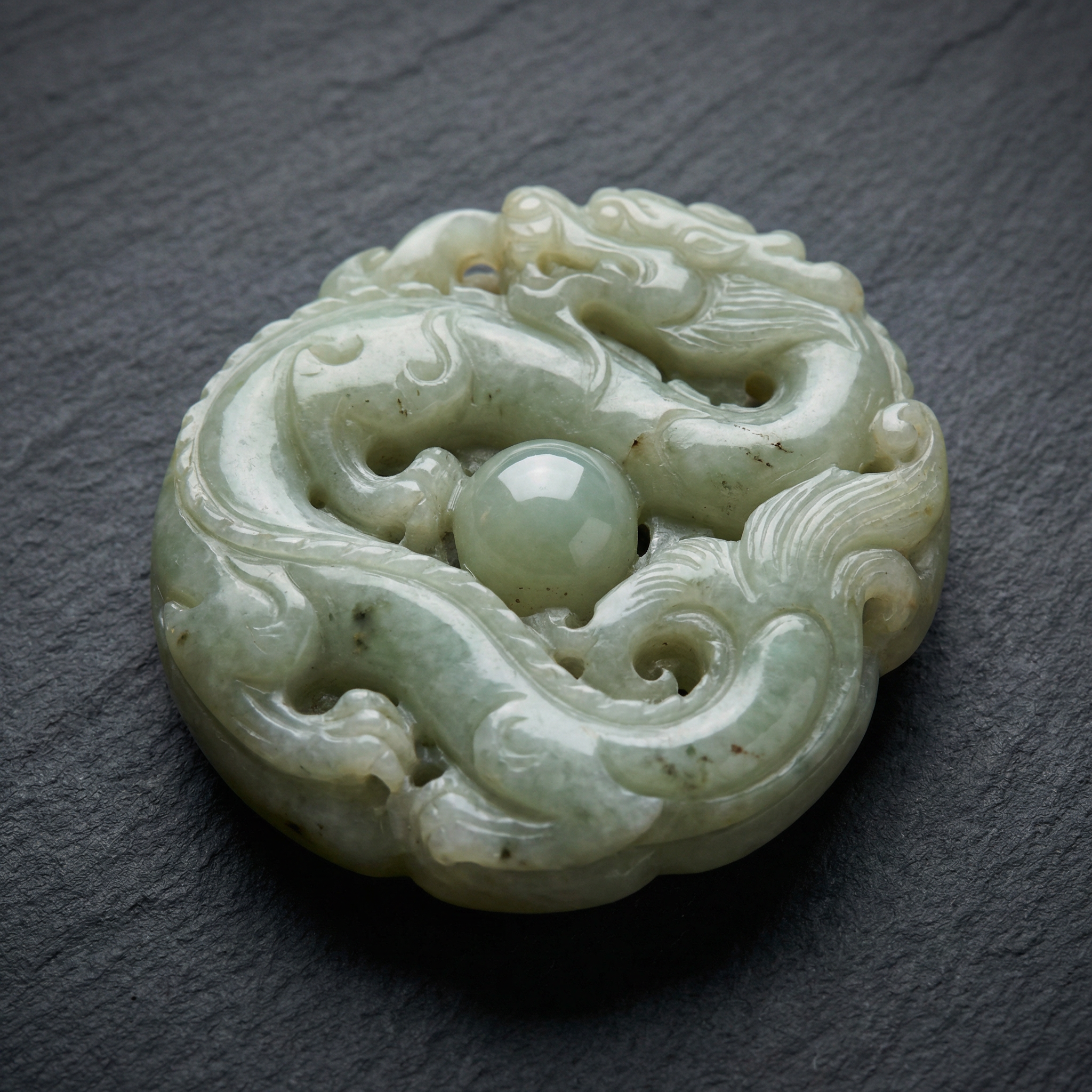
Xiuyan Jade (Serpentine)
Xiuyan Jade, named after its main production area in Xiuyan Manchu Autonomous County, Anshan City, Liaoning Province, China, is a national geographical indication product and one of China's 'Four Great Jades'. With a long history and profound cultural heritage, Xiuyan Jade is renowned for its warm and delicate texture, rich and diverse colors, and bright luster. It is not only an exquisite carving material but is also endowed with symbolic meanings of auspiciousness, peace, and purity in traditional Chinese culture, making it widely loved and collected.
Mohs Hardness
2.5-5.5
Origin
Xiuyan, Liaoning, China; Xinjiang, China; Sichuan, China
Market Price Range
Common quality: $5-$50 per piece; Medium quality: $50-$500 per piece; High quality or old jade: $50+ per gram or $5,000+ per piece.
Detailed Description
Identification Methods
Color Observation: Xiuyan Jade has diverse colors, mainly light green, yellowish-green, and white. The color is often uneven, distributed in clumps or bands.
Texture and Feel: The texture is delicate and feels warm to the touch, but it feels slightly lighter than Hetian jade.
Hardness Test: The Mohs hardness is relatively low, at 2.5-5.5. It can be scratched by a knife, which is a key difference from hard jades like jadeite and Hetian jade.
Internal Structure: When observed with a flashlight, white flocculent or cotton-like structures are common inside. Some may have a small amount of black or other colored impurities.
Sound Test: When tapped gently, the sound is dull and not as crisp as hard jade.
Market Information
The market for Xiuyan Jade is significantly polarized. Due to its vast production, common-grade Xiuyan Jade is very affordable and widely used for making crafts and mass-market jewelry, with ample market supply. However, high-quality Xiuyan Jade, especially the 'hemo' jade (a type of tremolite jade) and varieties with rare colors, holds high collection value and investment potential due to its excellent texture and scarcity, with prices continuing to rise. The overall market shows a pattern of saturation at the low end and scarcity at the high end, requiring consumers to focus on quality differentiation when purchasing.
Classification
Serpentine Jade (primary) and Tremolite Jade
Curated selections with appraisal guarantee