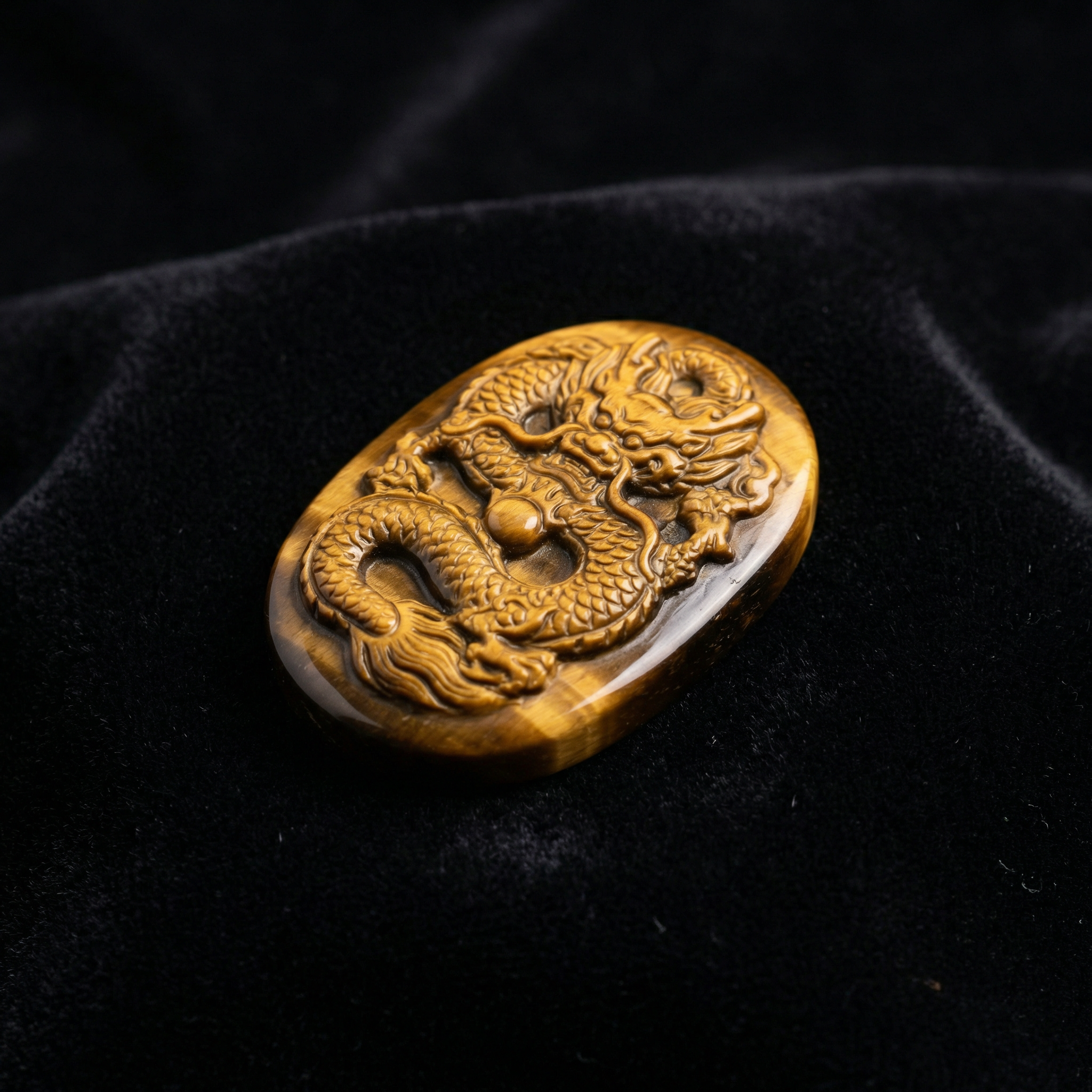
Tiger's Eye (Quartz)
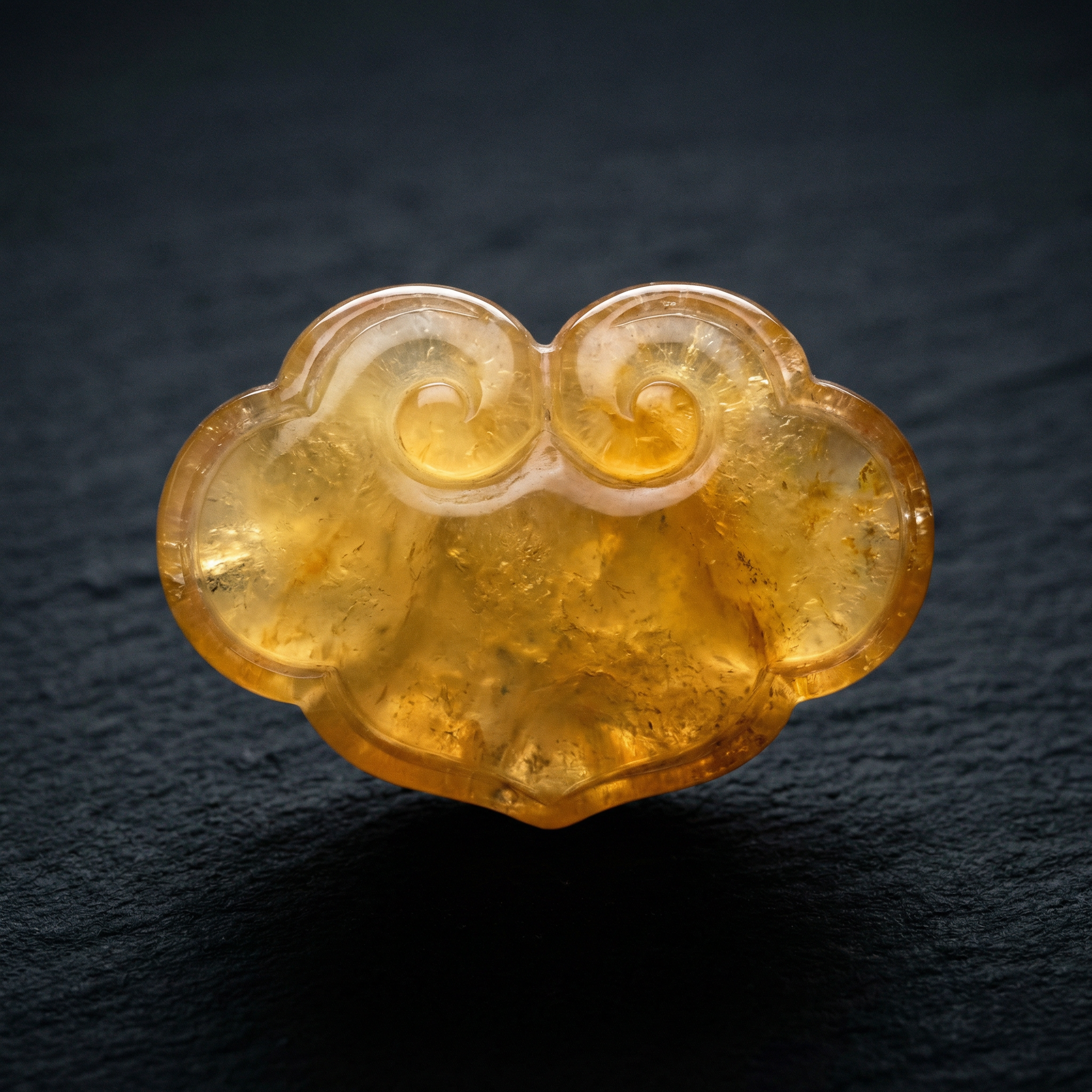
Tiger's Eye is a chatoyant gemstone known for its silky luster and a golden to reddish-brown color. It is a pseudomorph of Quartz after Crocidolite, creating its iconic wavy light effect. Historically revered by ancient civilizations like the Romans and Egyptians, it was used as a talisman for protection, courage, and prosperity. This stone is believed to empower the wearer, boosting confidence and providing mental clarity, making it a popular choice for both jewelry and ornamentation.
Mohs Hardness
6.5-7.0
Origin
South Africa, Western Australia, India, USA, Myanmar
Market Price Range
Commercial Grade: Beaded bracelets and small cabochons typically range from $5 to $30 USD per piece.||Medium Grade: Stones with good color and a clear eye effect are priced between $2 to $8 USD per carat.||High Grade: Top-quality stones with a sharp, centered cat's eye and vibrant golden color can fetch $10 to $30 USD per carat or more, with large collector's pieces costing several hundred dollars.
Detailed Description
Identification Methods
Observe Chatoyancy: A genuine Tiger's Eye displays a sharp, moving band of light (the 'eye') that shifts smoothly as the stone is rotated.
Check Luster and Texture: It has a silky to vitreous (glassy) luster. Under magnification, its fibrous structure should be visible.
Hardness Test: With a Mohs hardness of 6.5-7, it can scratch glass but cannot be easily scratched by a steel knife.
Examine the Color: Natural Tiger's Eye shows distinct, layered bands of golden yellow and brown with a natural transition. Dyed versions often look flat and unnaturally uniform.
Look for Imperfections: Natural stones often have minor imperfections or matrix inclusions, whereas glass imitations are typically flawless.
Market Information
The market for Tiger's Eye remains stable and strong, valued for its affordability and unique beauty. Commercial-grade beads and cabochons are widely available, making it a staple in accessible jewelry. High-quality stones with a sharp, centered eye and vibrant golden color are rarer and command higher prices, especially in larger sizes. While not considered a high-end investment gem, its consistent demand in both fashion and new age markets ensures its enduring popularity. The market sees little fluctuation, making it a reliable and accessible choice for collectors and consumers alike.
Classification
Quartz (Silicon Dioxide)
Curated selections with appraisal guarantee