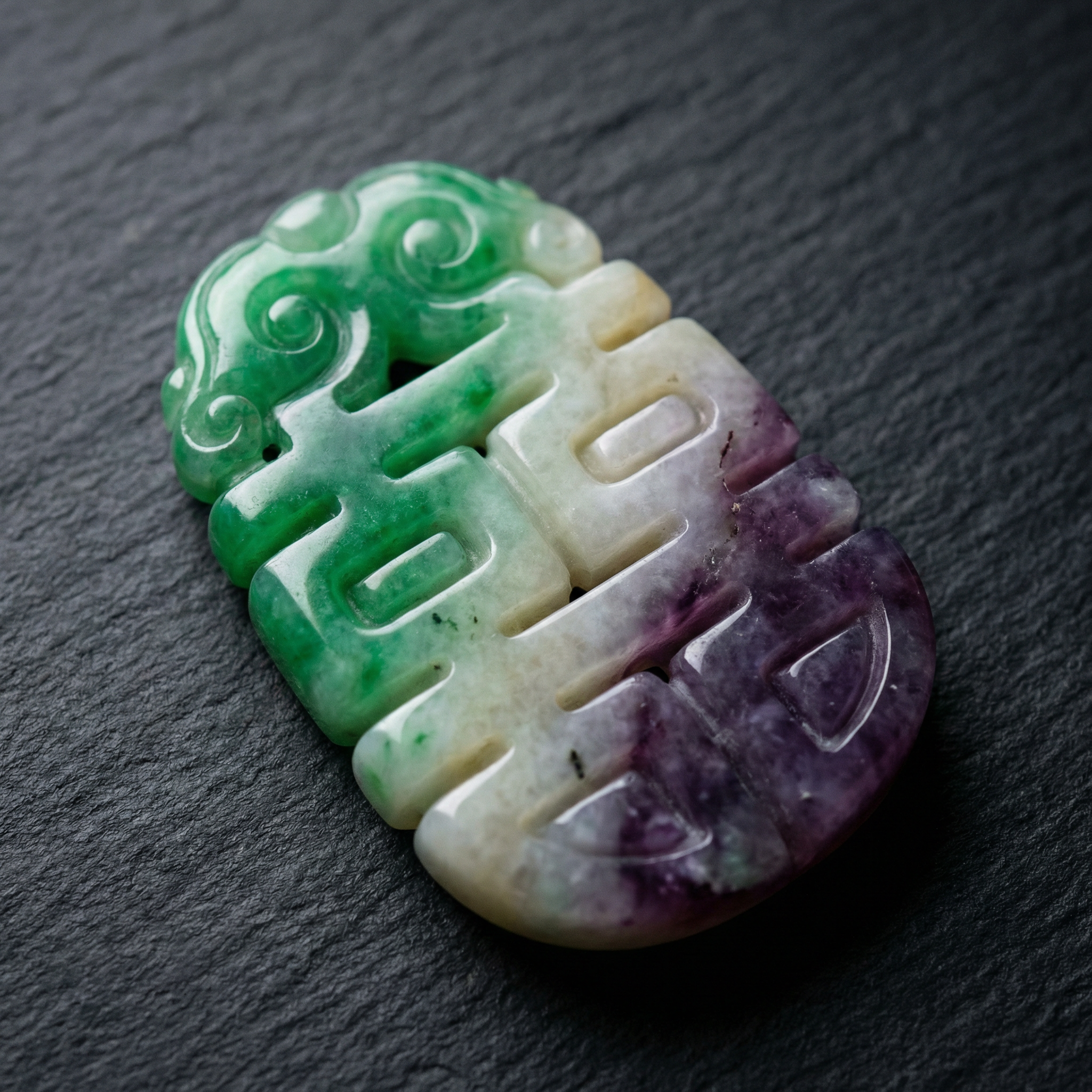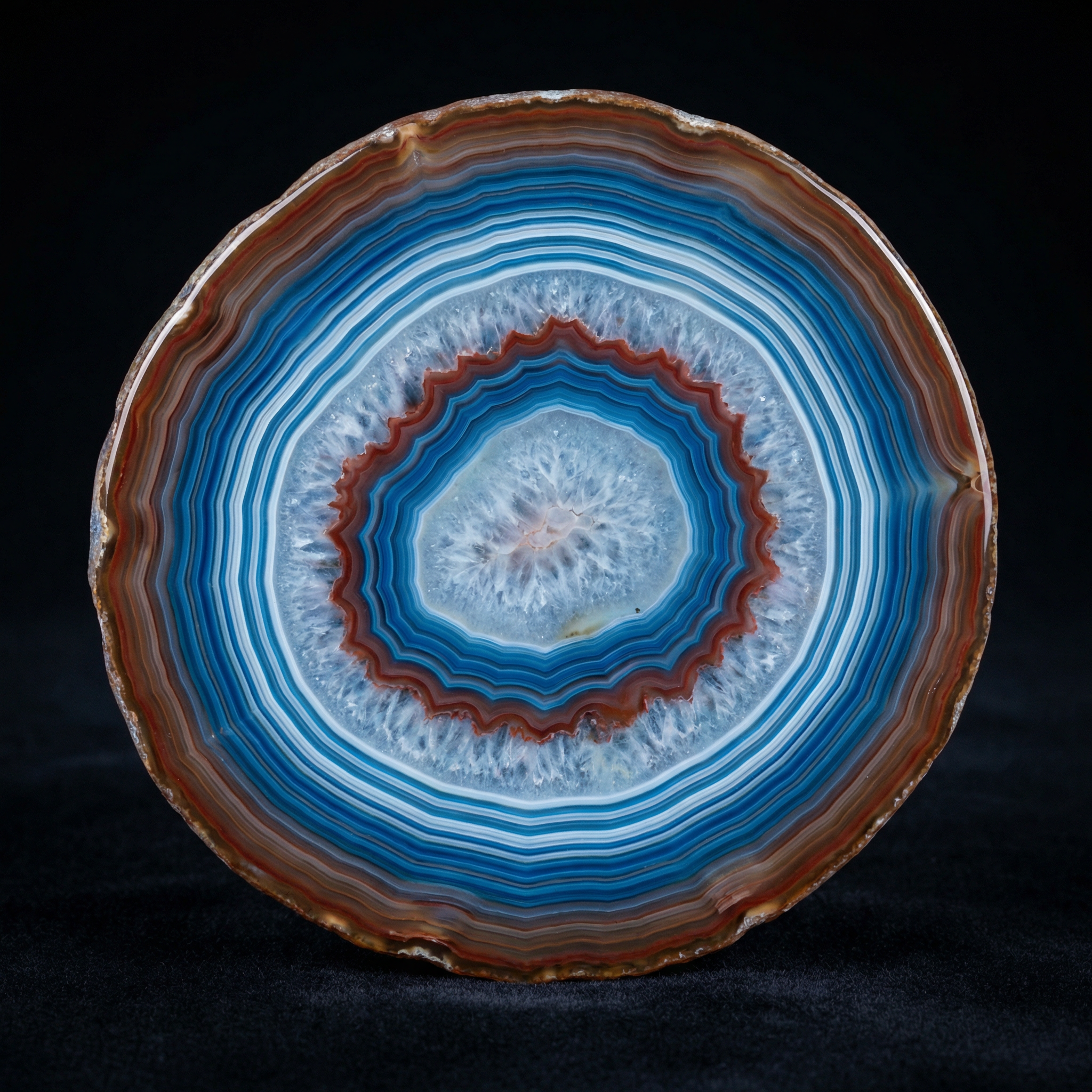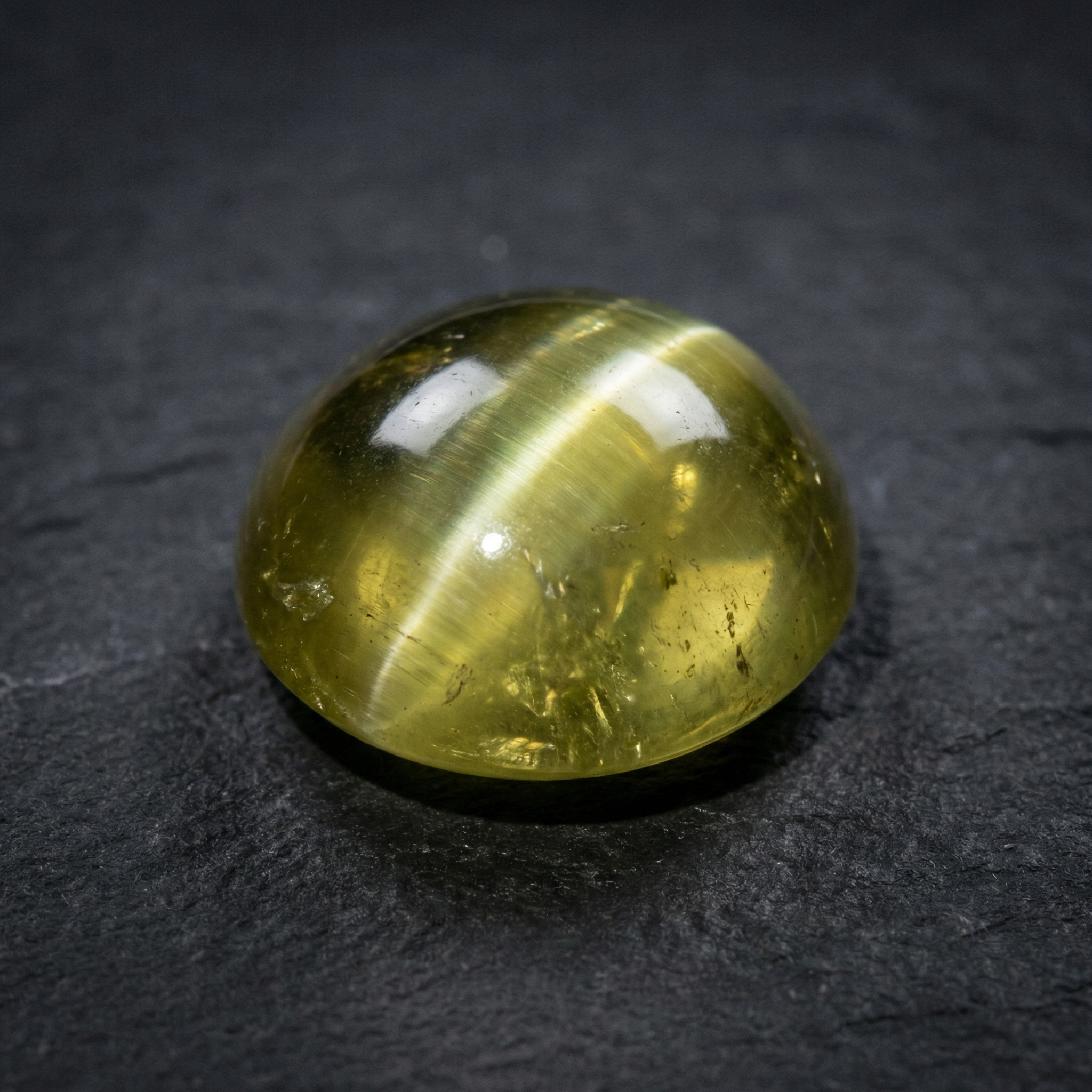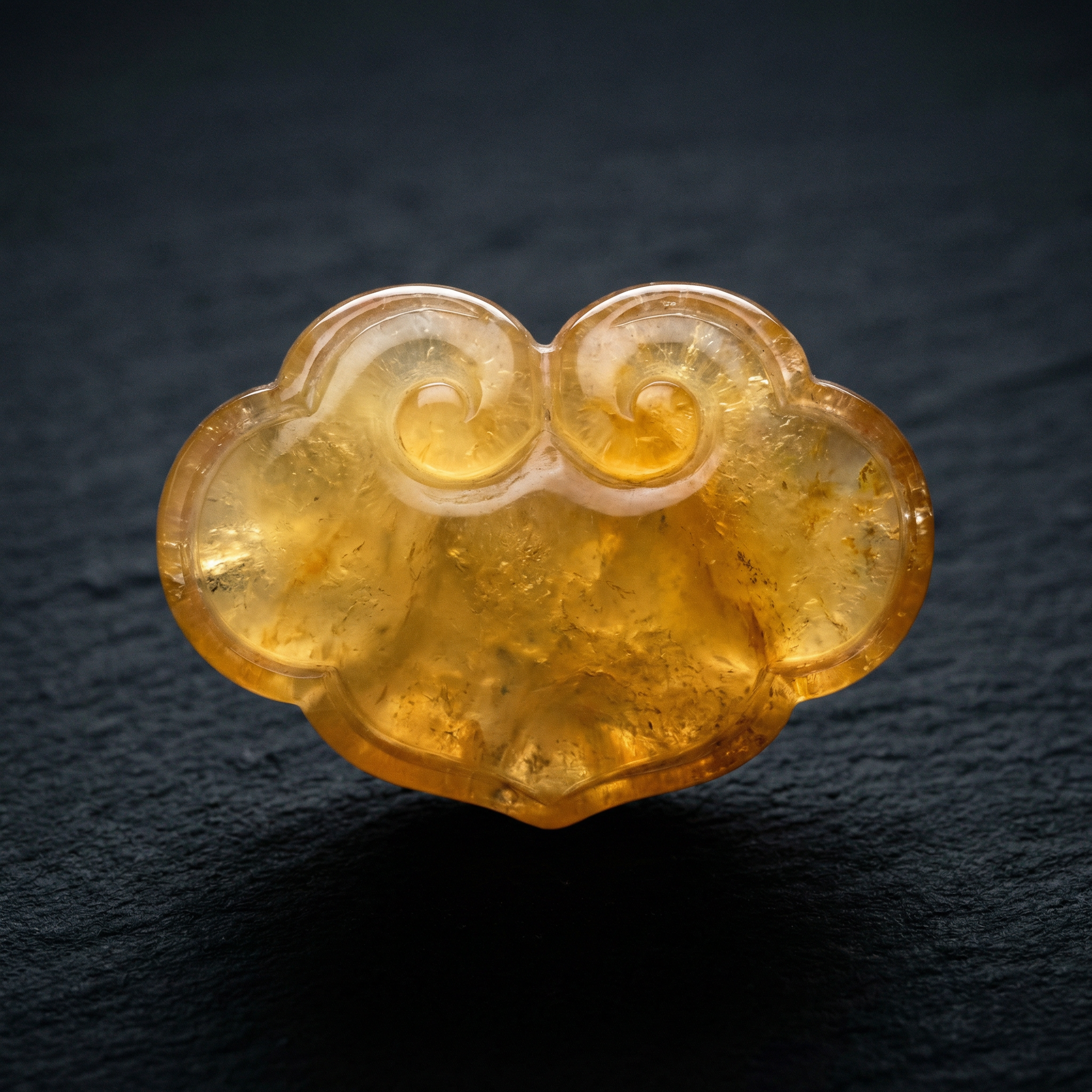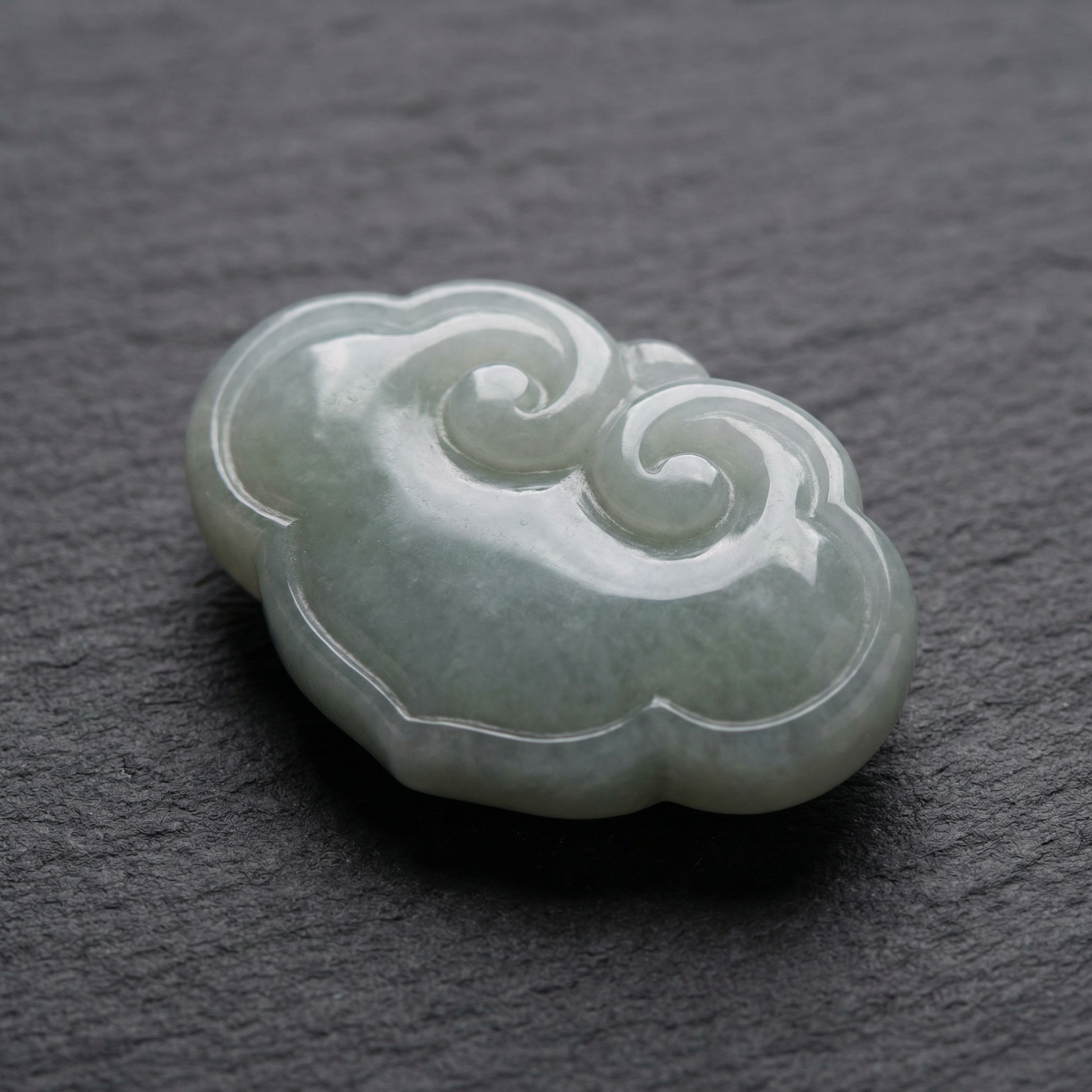
Kunlun Jade (Nephrite)
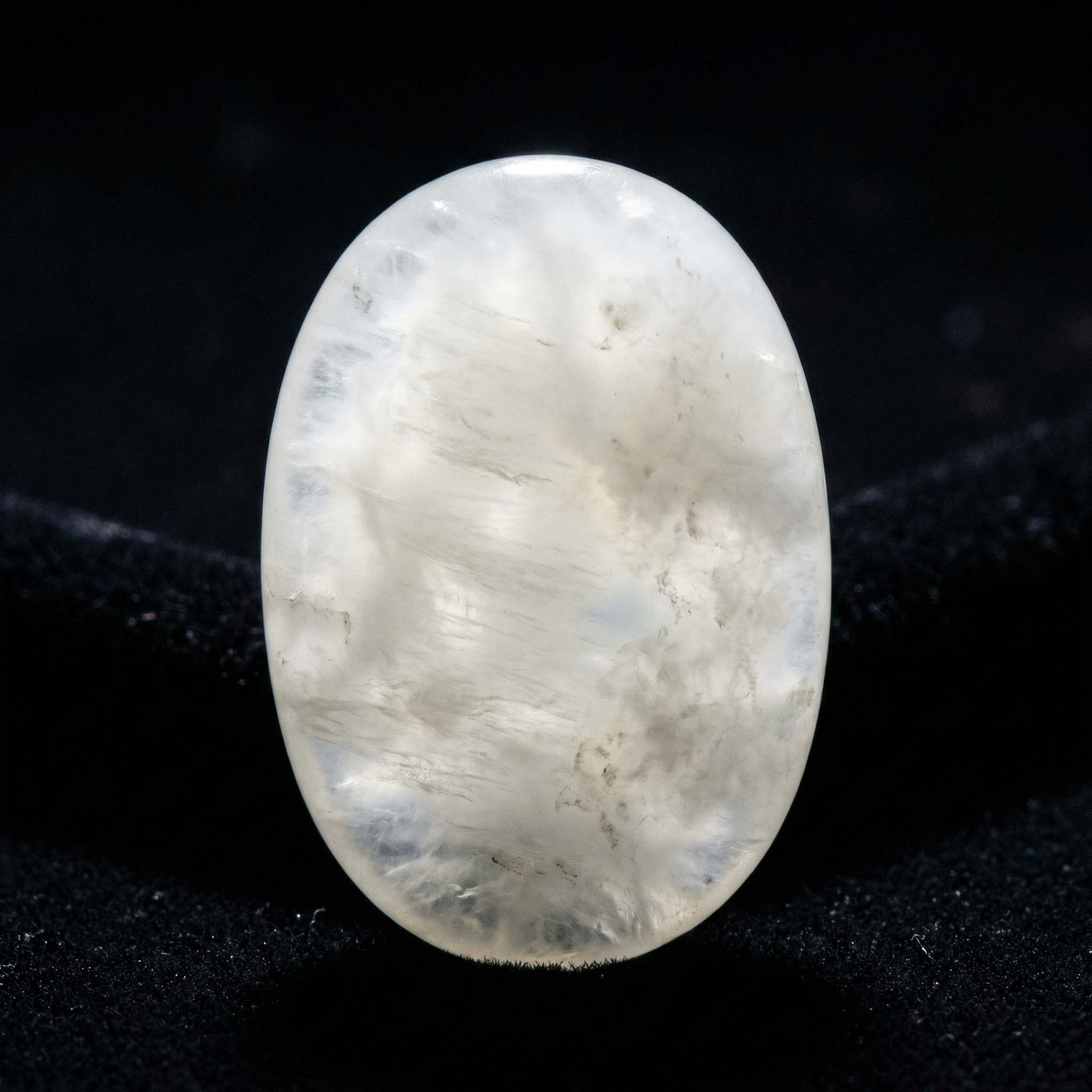
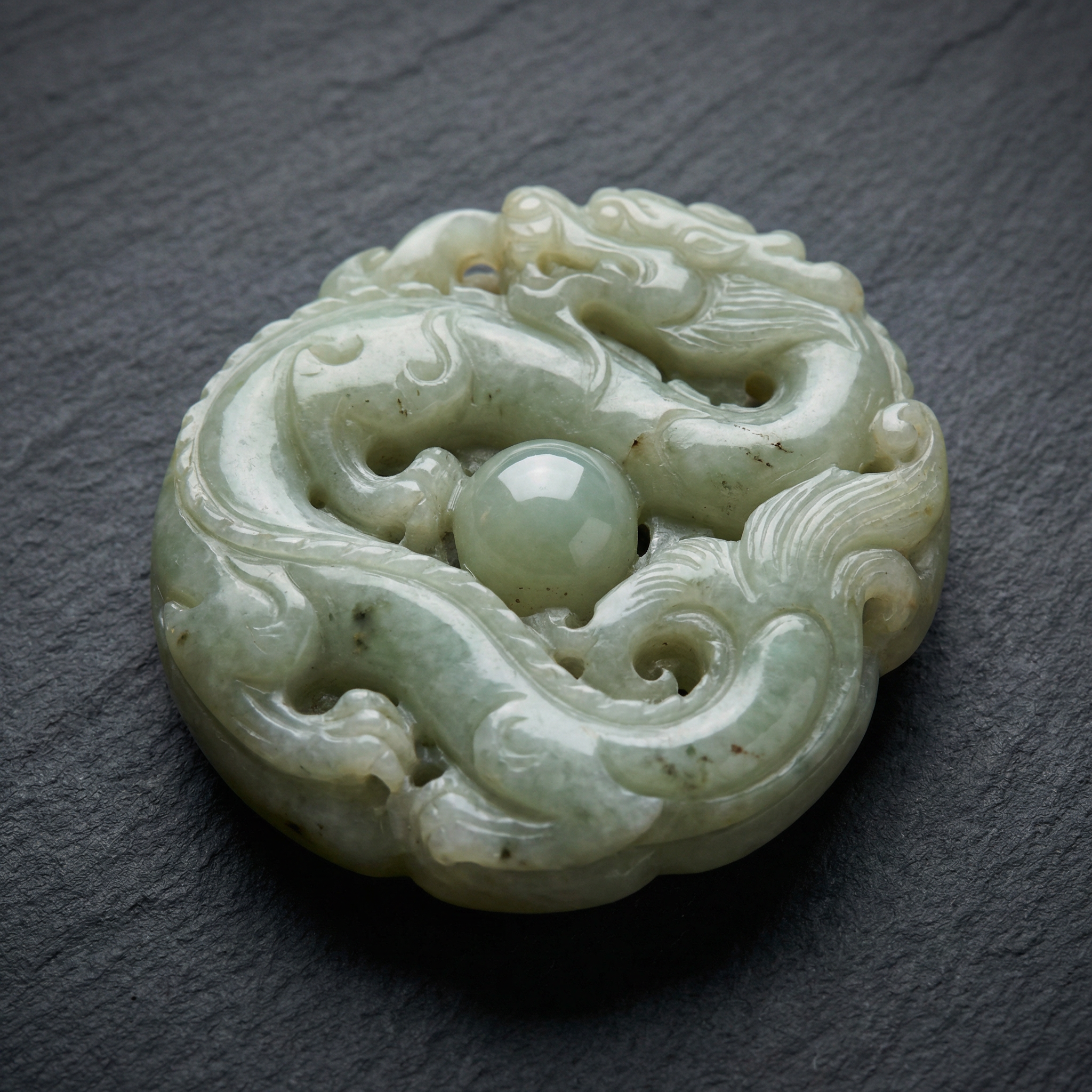
Kunlun Jade, also known as Qinghai Jade, is a high-quality nephrite found in the Kunlun Mountains. It gained international fame as the material for the medals of the 2008 Beijing Olympics. This jade is treasured for its fine texture, moist luster, and rich historical and cultural significance, symbolizing purity and nobility in Chinese culture.
Mohs Hardness
6.0-6.5
Origin
Golmud in Qinghai, Nachitai, Xiaoz灶火
Market Price Range
Low-grade: $5 - $30 per piece; Mid-grade: $50 - $300 per piece or per gram for raw material; High-grade (collection level): $500 - $10,000+ per piece, with exceptional items fetching higher prices.
Detailed Description
Identification Methods
Observe the texture: High-quality Kunlun Jade has a fine, smooth, and oily feel.
Check for 'water lines': Many Kunlun jades have characteristic fine, translucent lines, which are less common in Hetian jade.
Test the hardness: With a Mohs hardness of 6.0-6.5, it can scratch glass but cannot be scratched by a steel knife.
Examine the luster: It exhibits a gentle, waxy to slightly greasy luster, not a glassy or harsh one.
Assess the translucency: It is typically semi-translucent; overly transparent pieces may be Qinghai glass or other imitations.
Market Information
The market for Kunlun Jade surged after it was featured in the 2008 Beijing Olympics. While the initial speculative bubble has subsided, the market has since stabilized. High-quality pieces, especially fine white and unique 'Cuiqing' varieties, retain strong value and are sought after by collectors. The mid-to-low range market is more price-sensitive, but overall, Kunlun Jade has secured its position as a significant category in the Chinese jade market.
Classification
Nephrite (Tremolite-Actinolite)
Curated selections with appraisal guarantee