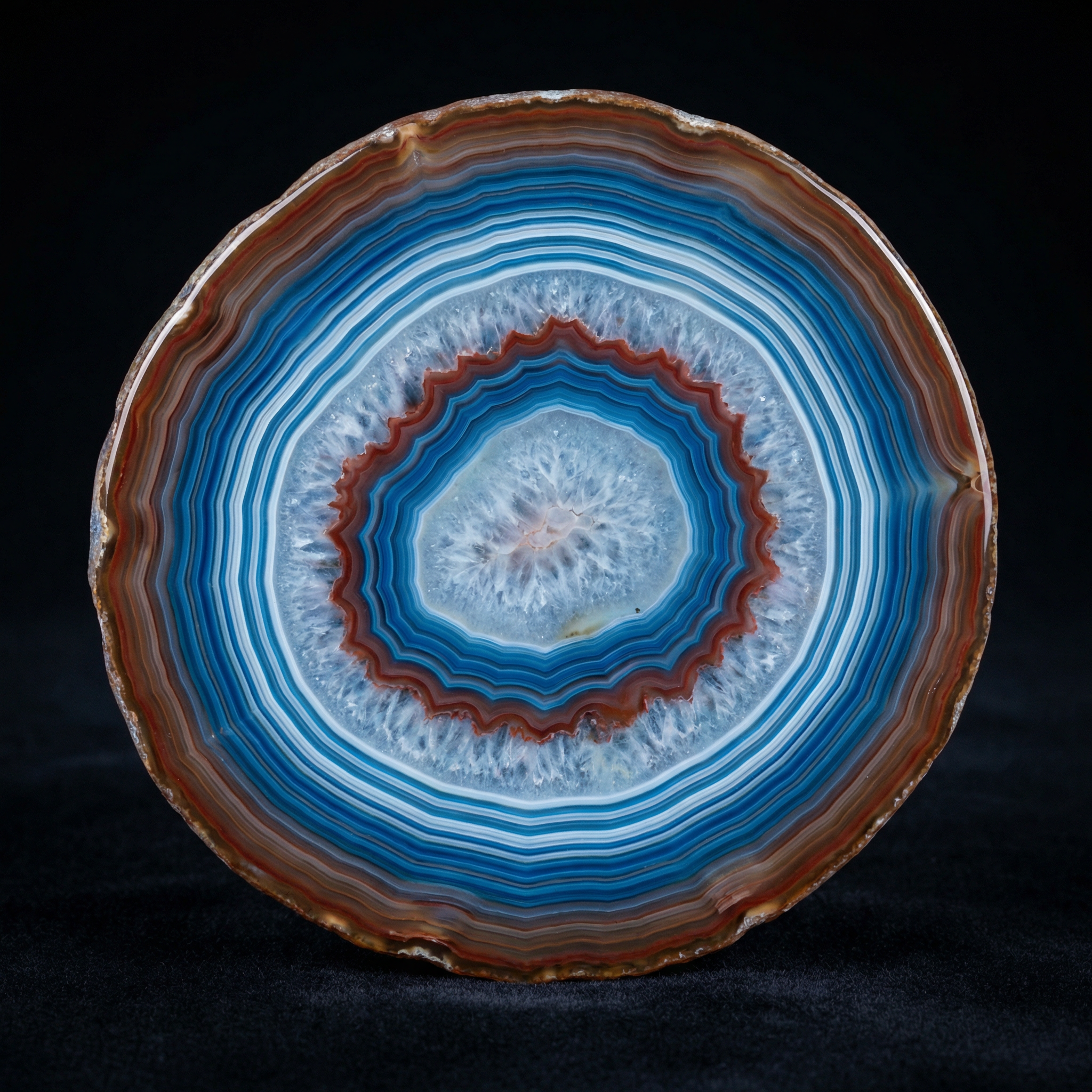
Agate (Chalcedony)
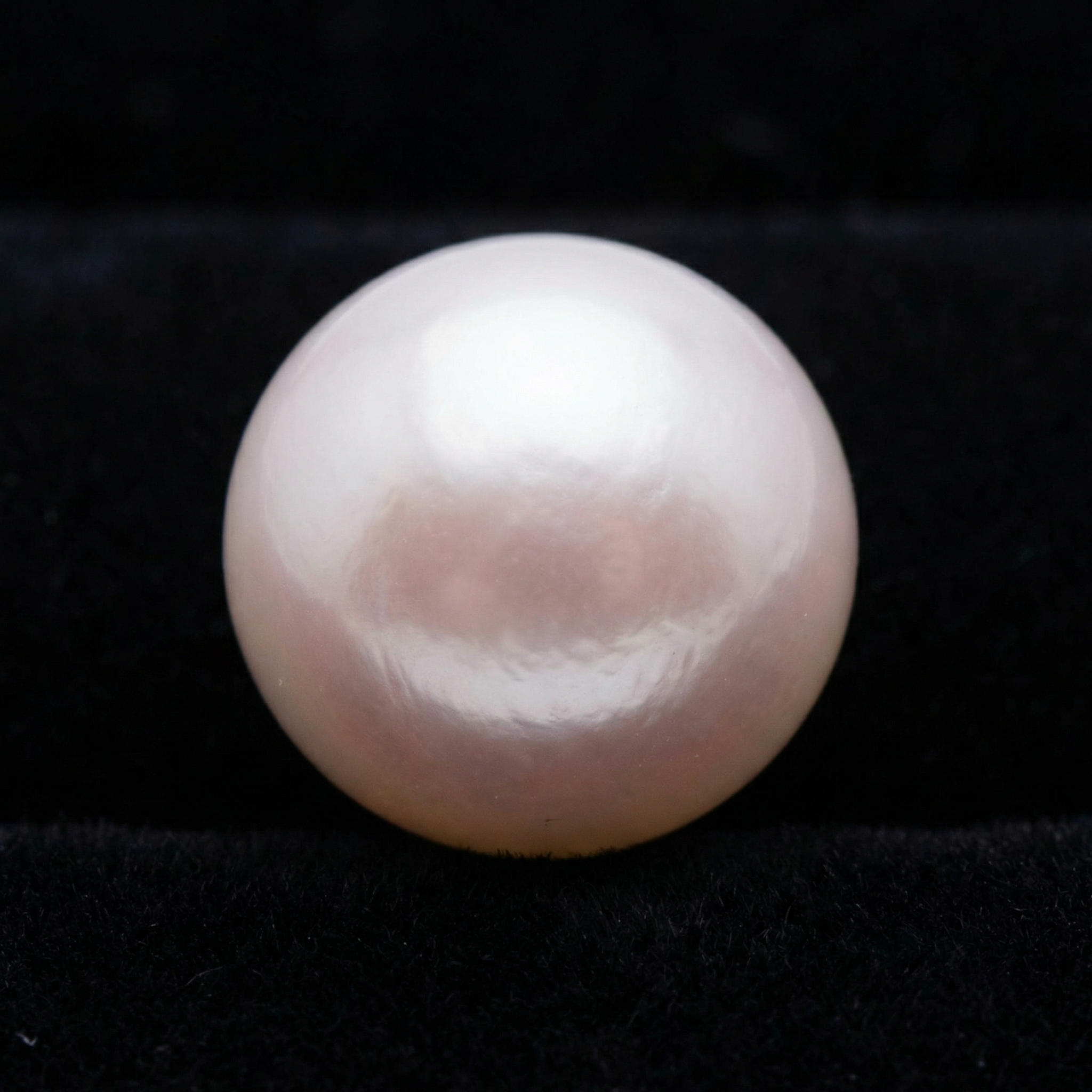
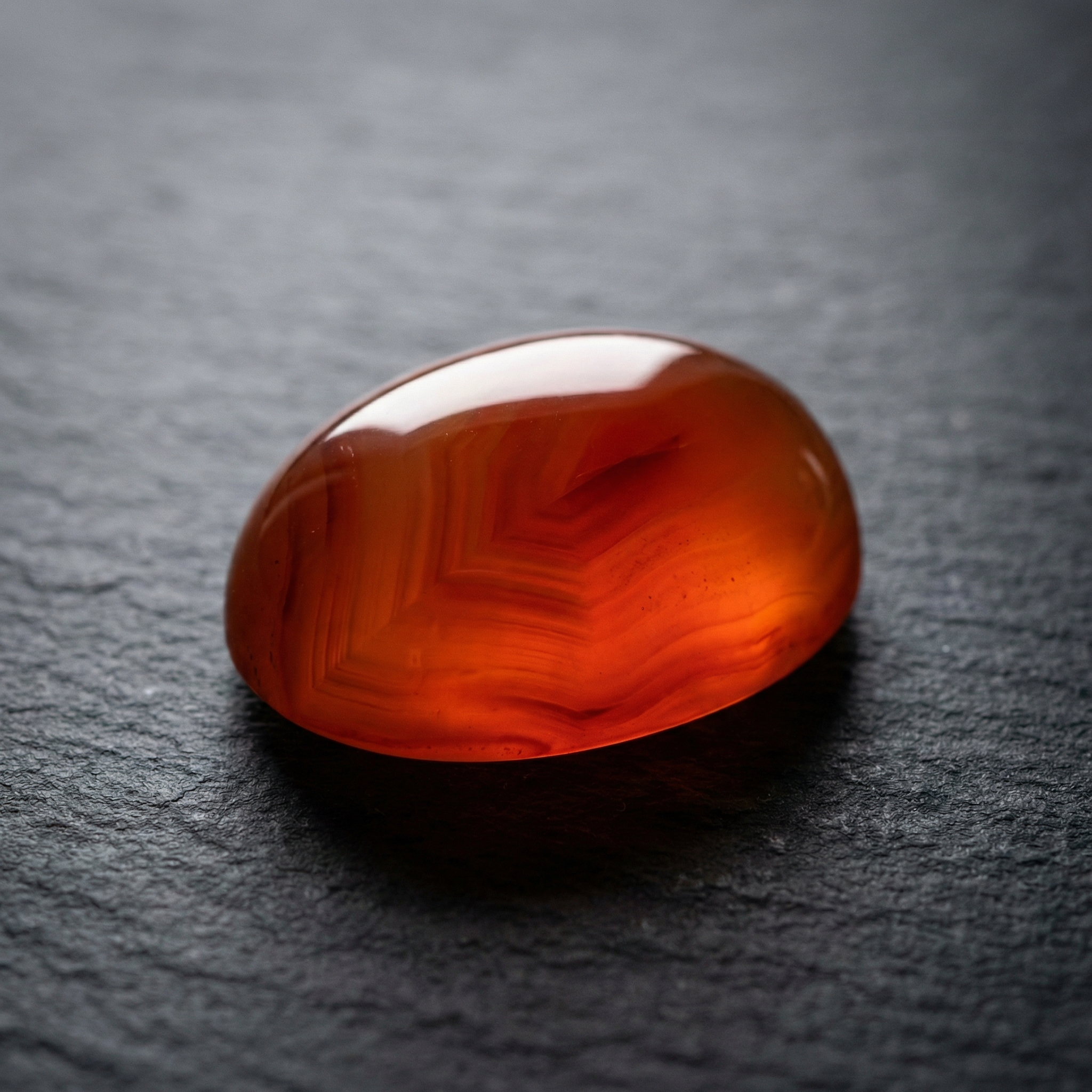
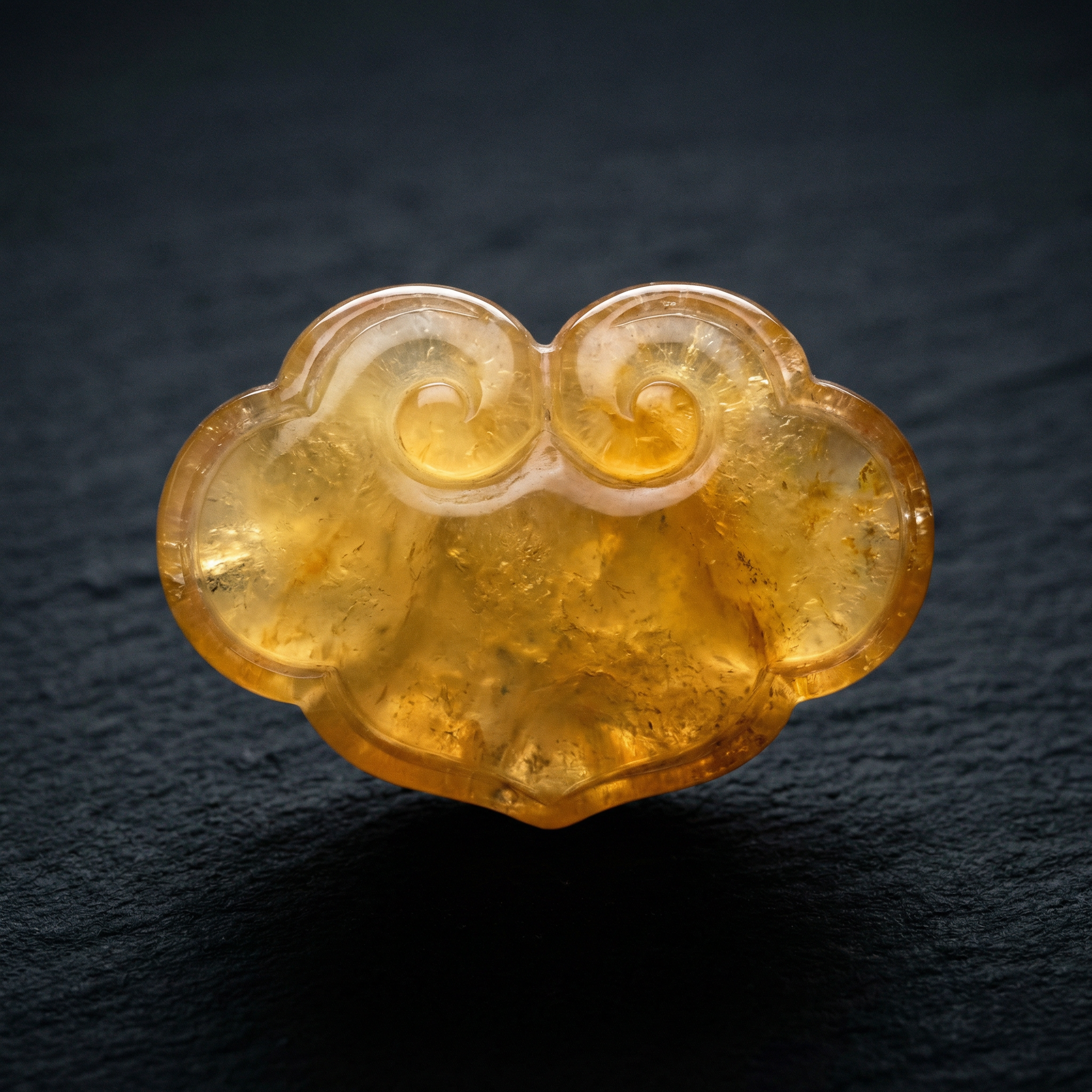
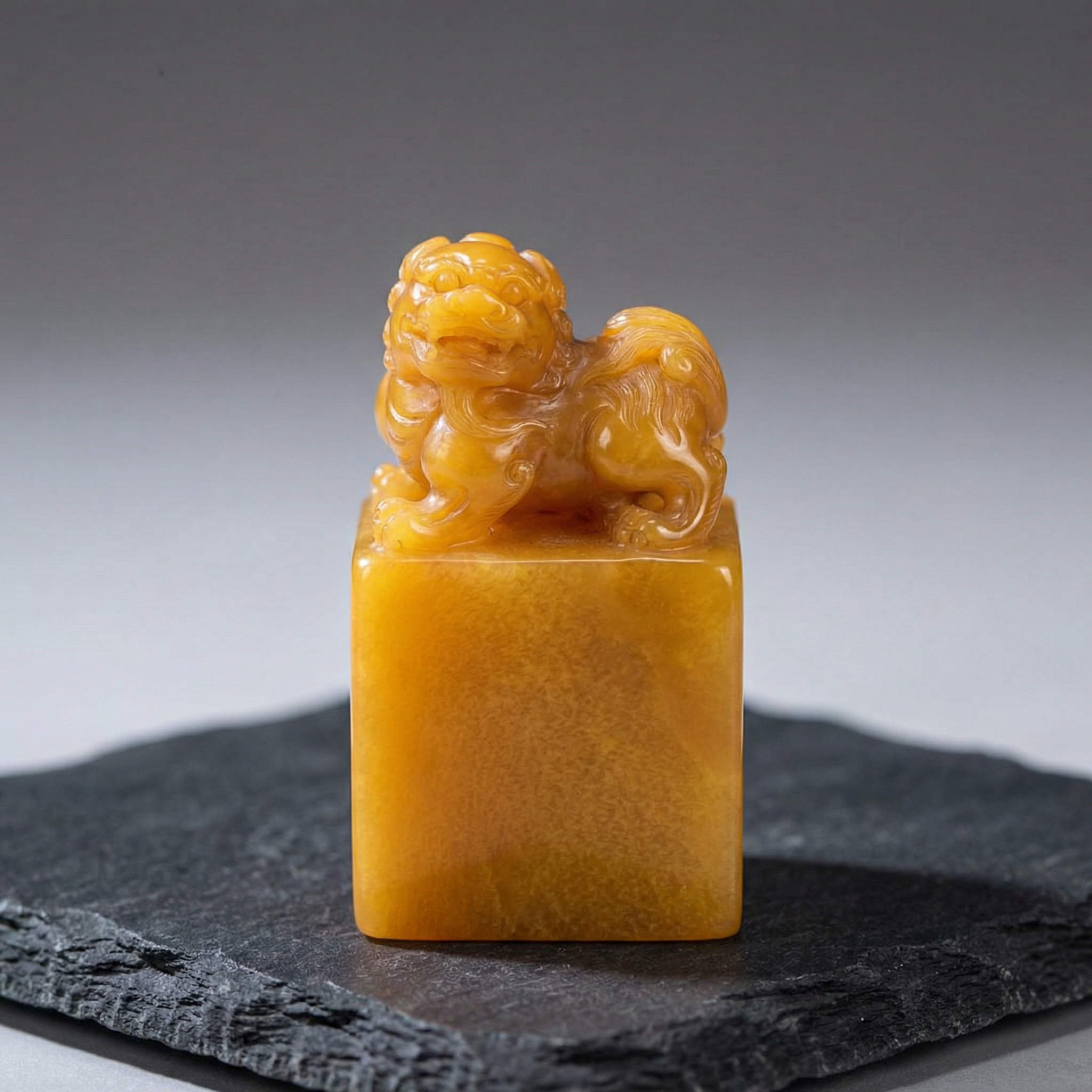
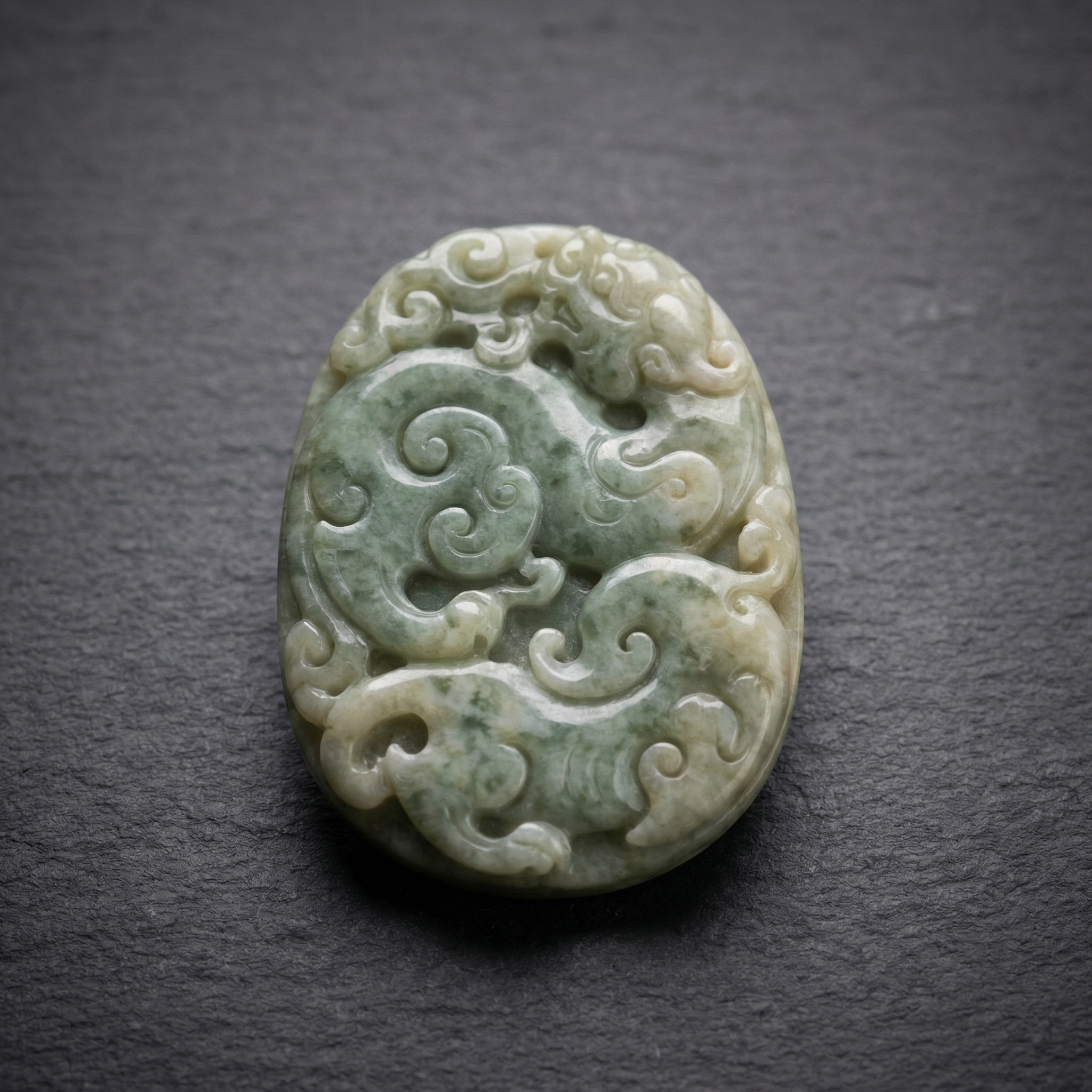
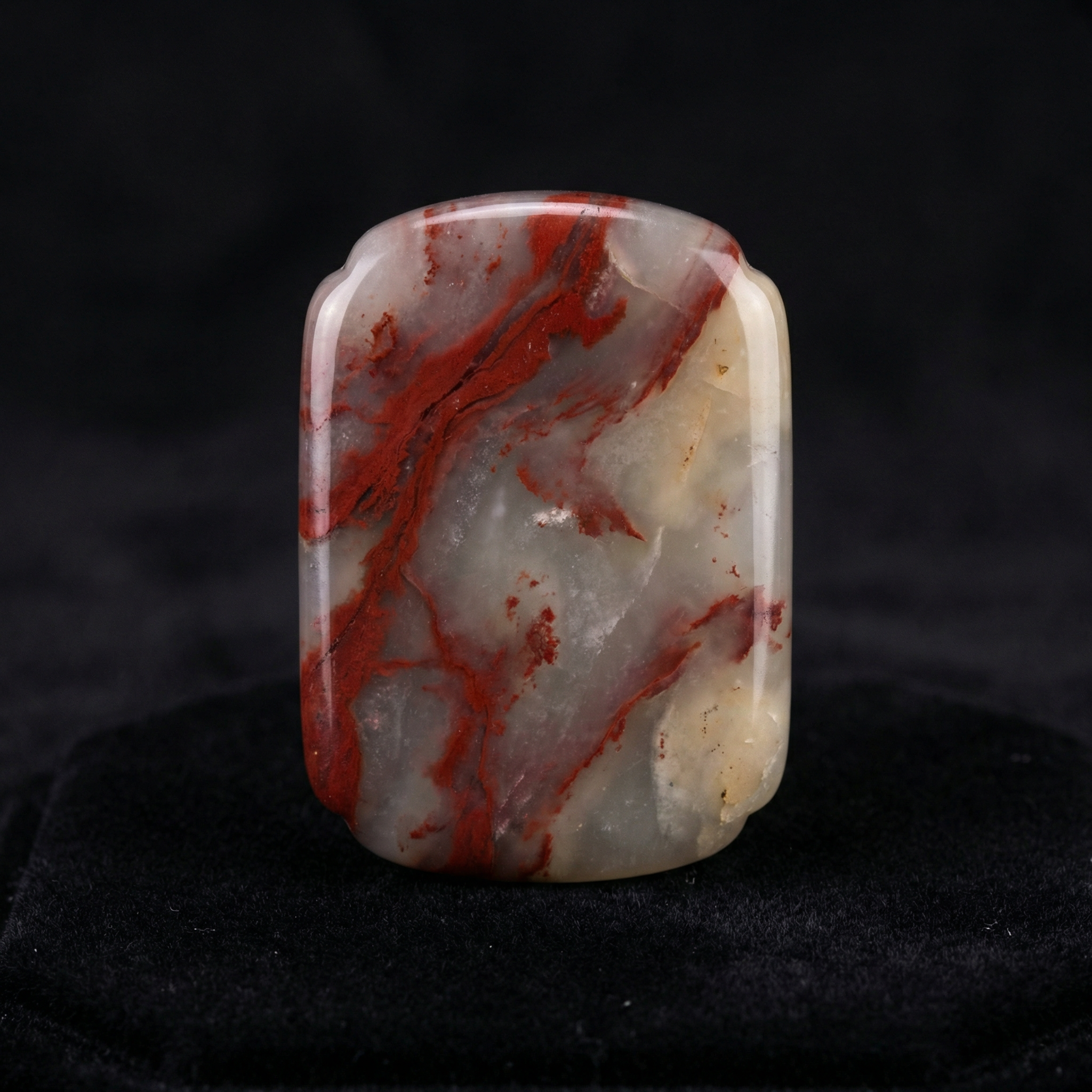
Agate is a cryptocrystalline variety of silica, chiefly chalcedony, characterized by its fine grain and bright, banded colors. Valued since antiquity, it has been used for decorative objects, carvings, and jewelry. Its name comes from the Achates River in Sicily, where it was first found. Agate is cherished not only for its beauty but also for its perceived metaphysical properties, believed to bring emotional balance and protection.
Mohs Hardness
6.5-7.0
Origin
Brazil, Uruguay, Mexico, Germany, USA, Madagascar, China
Market Price Range
General Quality: Tumbled stones and small pieces typically range from $2 to $20 per piece.||Mid-Range Quality: Pieces with unique patterns or colors can range from $50 to $500.||Collector's Grade: Rare varieties (e.g., Fire Agate), large sizes, or specimens with exceptional patterns can fetch several hundred to thousands of dollars.
Detailed Description
Identification Methods
Observe the banding: Natural agate has distinct, fluid, and often concentric bands with clear color separation. Fake agate usually has dull, uniform patterns.
Check for translucency: Most agates are translucent to opaque. If it's perfectly transparent, it might be glass.
Feel the temperature: Genuine agate feels cool to the touch and warms up slowly, while glass imitations adapt to ambient temperature more quickly.
Test the hardness: With a Mohs hardness of 6.5-7, agate cannot be scratched by a steel knife. Glass and plastic imitations can be easily scratched.
Examine for small imperfections: Natural agate often has small cracks, inclusions, or impurities, whereas artificial versions are typically flawless.
Market Information
The agate market remains robust and diverse, catering to a wide range of consumers from casual jewelry buyers to serious collectors. The price is highly dependent on variety, quality, and size. While common types of agate are very affordable, rare varieties like Fire Agate or exceptional specimens with unique patterns command high prices. The demand for agate in both traditional jewelry and modern design continues to grow, supported by its use in crystal healing and home decor, ensuring its stable position in the gemstone market.
Classification
Chalcedony (Cryptocrystalline Quartz)
Curated selections with appraisal guarantee