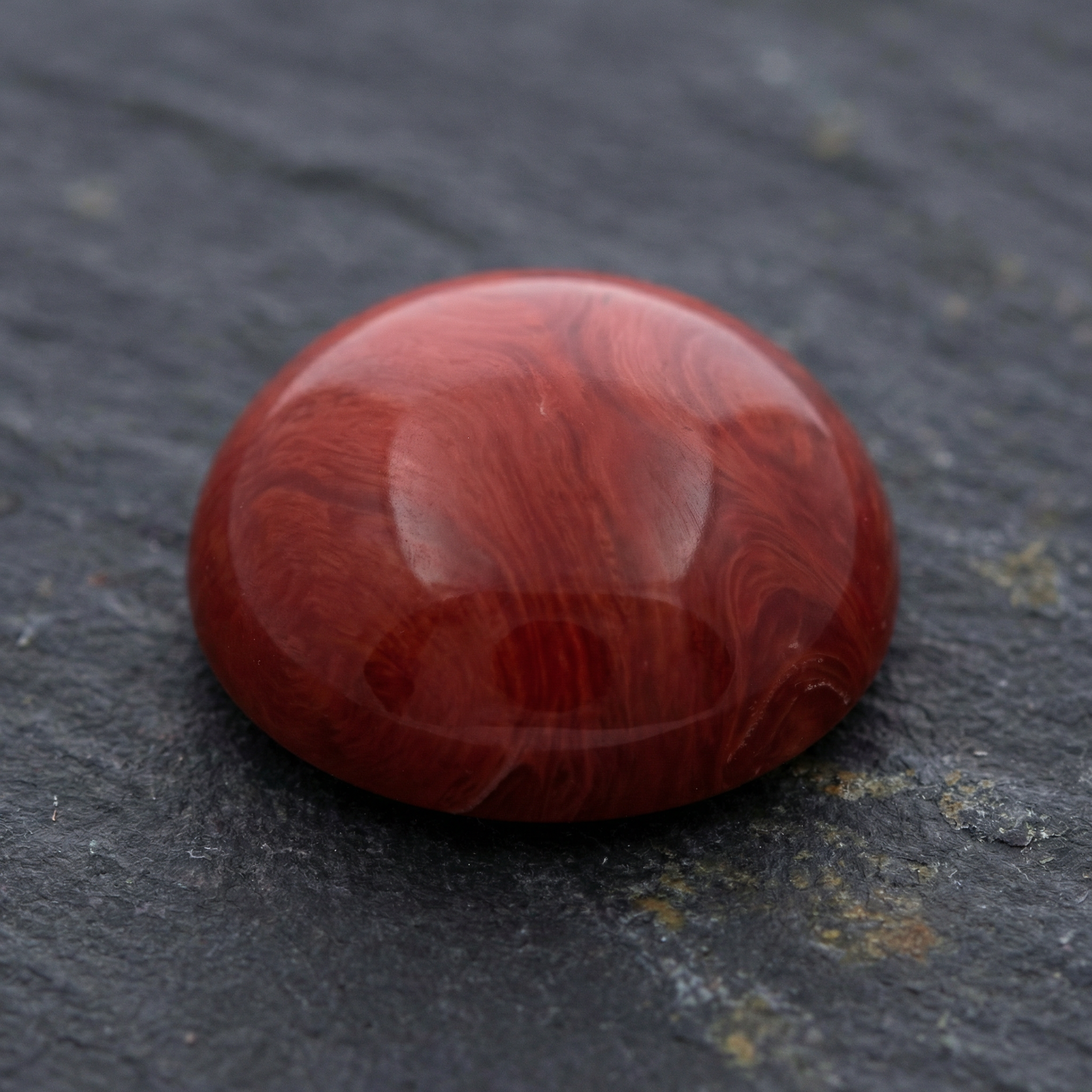
Coral (Calcium Carbonate)
Coral is a precious organic gemstone from the ocean, formed over thousands of years from the skeletal remains of coral polyps. It has a warm and moist luster, with red varieties being the most prized, and has been regarded as a symbol of auspiciousness and nobility since ancient times. In Chinese, ancient Roman, and Indian cultures, coral was endowed with special meanings of protection and blessing, often made into exquisite jewelry and artworks, serving not only as beautiful decoration but also carrying profound historical and cultural heritage.
Mohs Hardness
3.5-4.0
Origin
Mediterranean Coast, Waters of Japan, Taiwan Strait, Penghu Islands
Market Price Range
Commercial Grade: $30-$75/gram; MOMO Grade: $75-$180/gram; AKA Grade: $220-$750/gram; Top 'Oxblood' AKA: Can exceed $1,200/gram. Prices vary with size, color, quality, and craftsmanship.
Detailed Description
Identification Methods
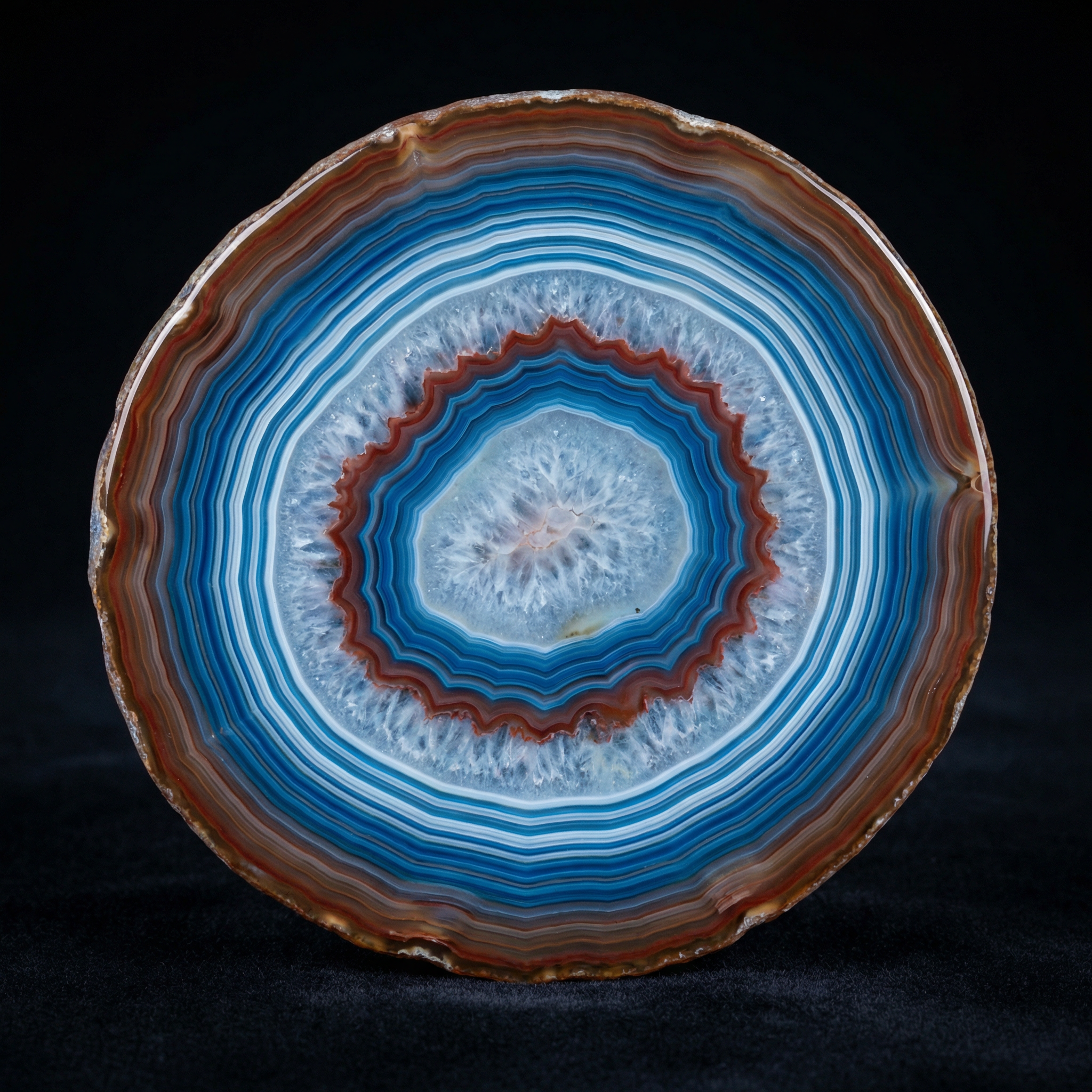
Observe texture: Natural coral has fine, parallel growth lines, and concentric rings like tree rings are visible on the cross-section.
Check color: The color of natural red coral is unevenly distributed, with variations in shade from the inside out, whereas dyed imitations have a uniform and dull color.
Test hardness: Coral has a low hardness and can be scratched by a knife, but it is softer than glass imitations.
Listen to the sound: Real coral produces a crisp sound upon collision, while plastic imitations sound dull.
Chemical test: A drop of dilute hydrochloric acid will cause bubbling, a typical reaction for calcium carbonate, but this method is destructive.
Market Information
The market for precious coral remains strong, driven by its cultural significance and increasing rarity. High-quality red coral, especially the 'Aka' or 'oxblood' variety, commands premium prices that have shown consistent appreciation. The market is heavily influenced by conservation regulations (CITES), which restrict supply and enhance the value of existing and antique pieces. As a result, investment demand is growing, but buyers are cautious, prioritizing certified, high-grade specimens. The main consumer markets are in Asia, particularly China and Japan, where coral has deep cultural roots.
Classification
Organic Gemstone (Calcium Carbonate)
Curated selections with appraisal guarantee