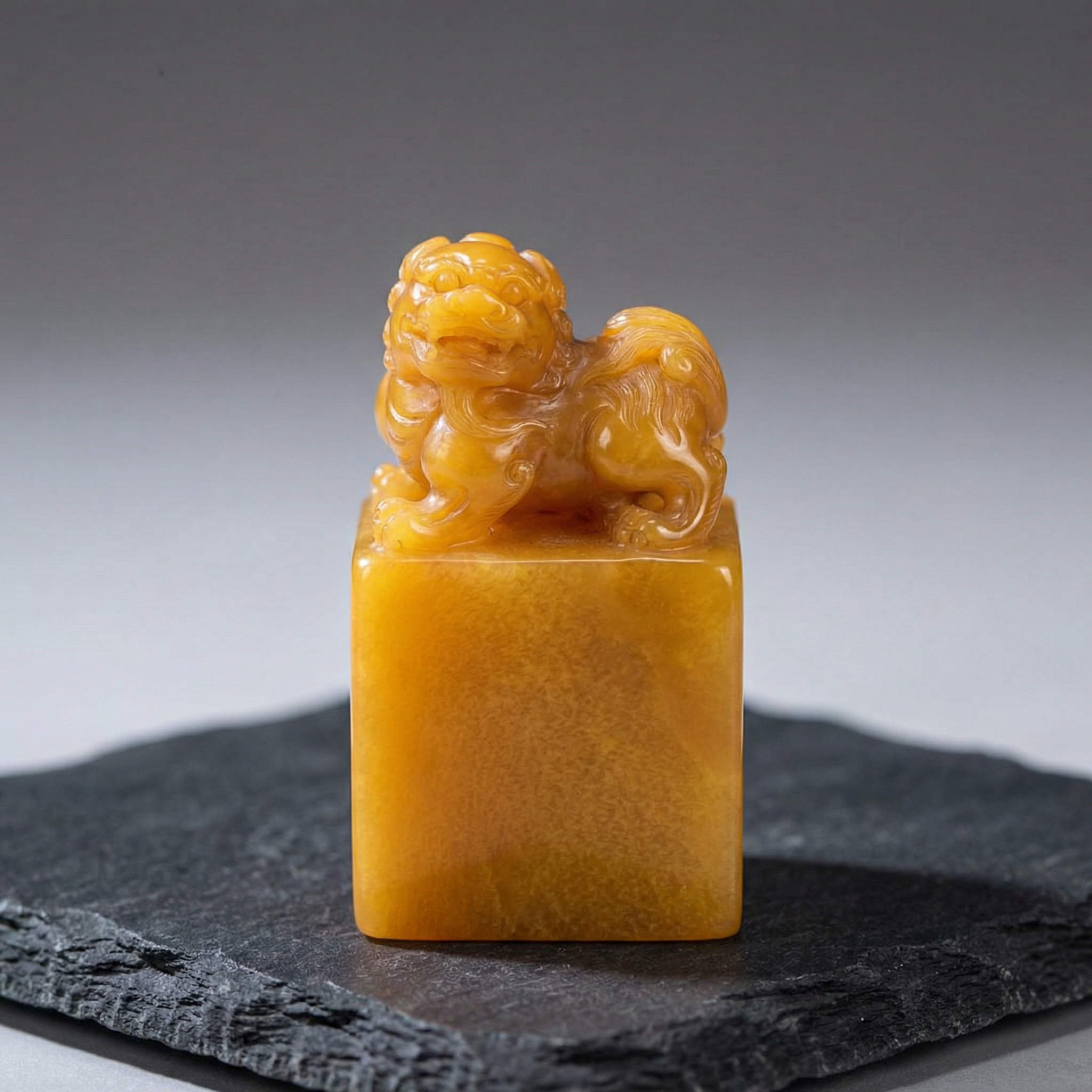
Tianhuang Stone (Dickite)
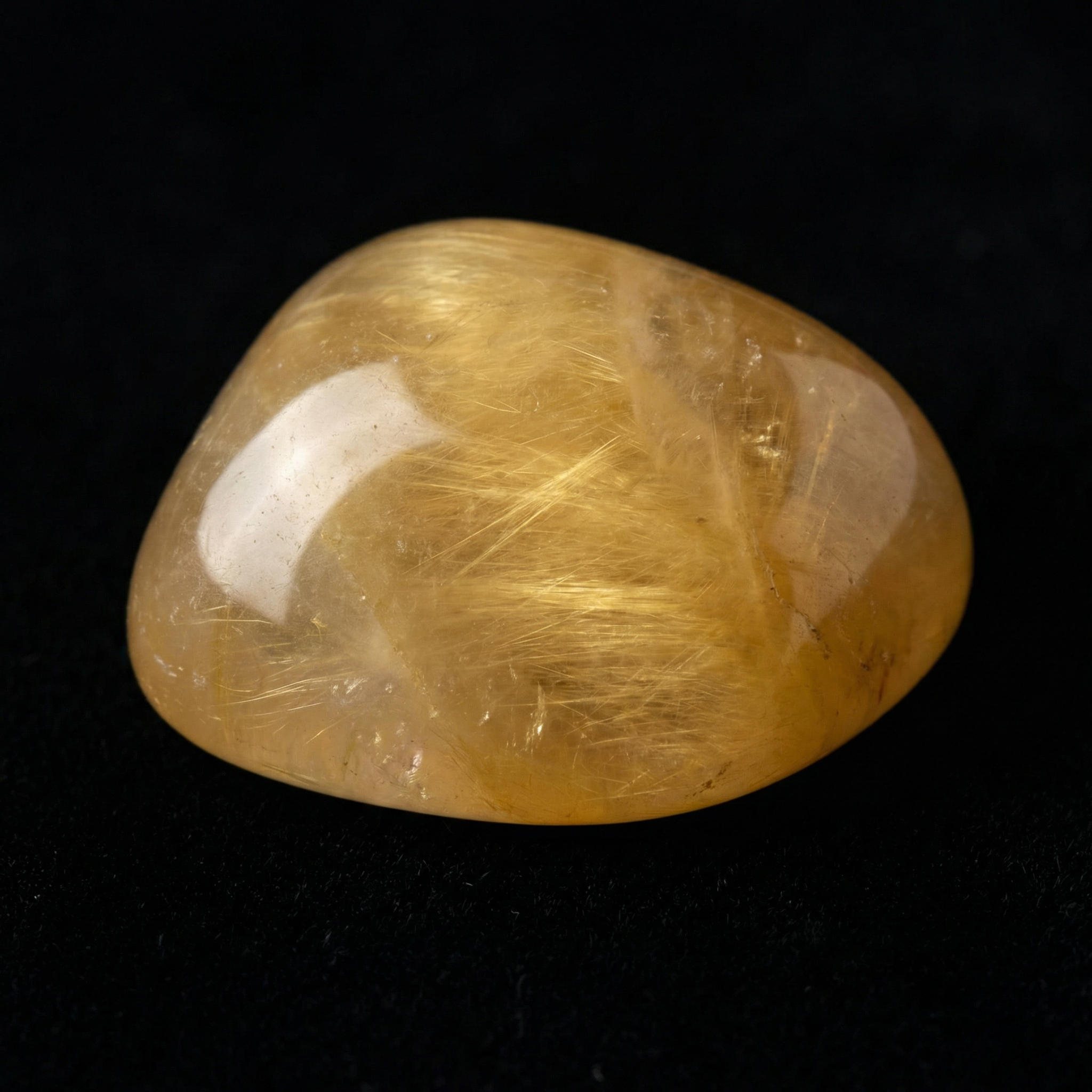
Tianhuang stone, known as the "King of Stones," is a precious seal stone unique to China. It is found in the paddy fields along the Shoushan Stream in Shoushan Township, Fujian Province. Its name, which translates to "field yellow stone," comes from its typical yellow color and its origin in the fields. With a warm and fine texture, pure color, and unique "radish grain" patterns, Tianhuang stone has been highly sought after by scholars, artists, and royalty since the Ming and Qing dynasties, symbolizing status and taste with its profound historical and cultural significance.
Mohs Hardness
2.0-3.0
Origin
Shoushan, Fuzhou, Fujian
Market Price Range
Standard quality: $700 - $3,500 per gram; High quality: $4,200 - $11,000 per gram; Exceptional quality: Over $14,000 per gram, with no upper limit.
Detailed Description
Identification Methods
Observe the stone skin: The vast majority of Tianhuang stones have a skin of varying thickness.
Examine the radish grain: When illuminated with strong light, fine "radish-like" patterns can be seen inside.
Feel the texture: The texture is fine, moist, and has a "glutinous" feel to the touch; the knife feel is smooth and slightly heavy.
Check for red veins: Often accompanied by red grid patterns or veins, commonly known as "red veins" or "blood filaments."
Note the healed cracks: Often have healed small cracks, called "ge," which are an important feature of natural formation.
Market Information
The market for Tianhuang stone continues to surge due to its extreme rarity and depleted sources. The saying "one ounce of Tianhuang is worth three ounces of gold" has long been surpassed. Fine Tianhuang pieces frequently set record prices at auctions, with per-gram prices in the tens or even hundreds of thousands of dollars becoming the norm. The investment and collection interest is exceptionally high, but this is also accompanied by a large number of imitations, making authentication crucial. As the remaining supply diminishes, its value is expected to continue to climb, making it a primary target for top collectors.
Classification
Dickite (primary mineral)
Curated selections with appraisal guarantee