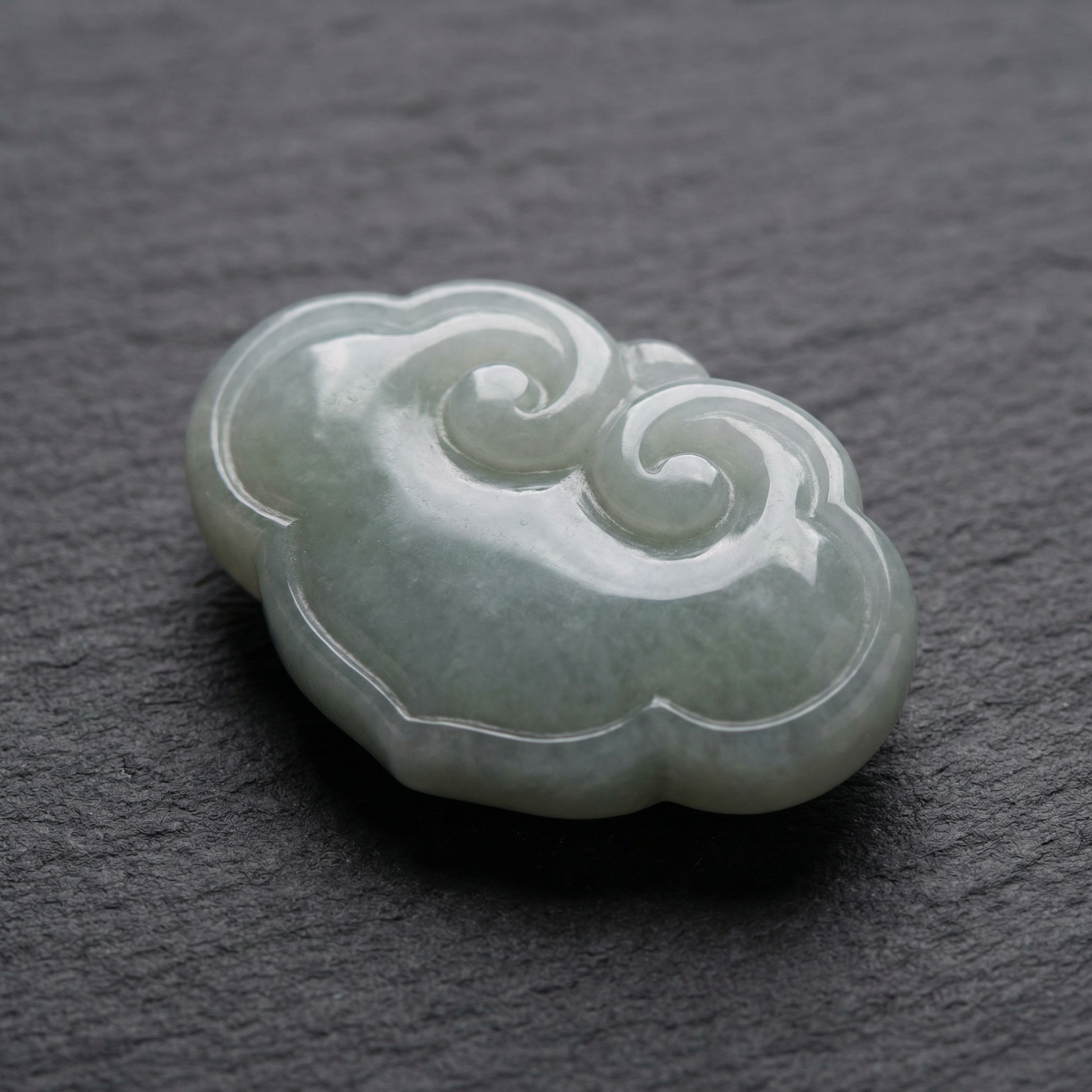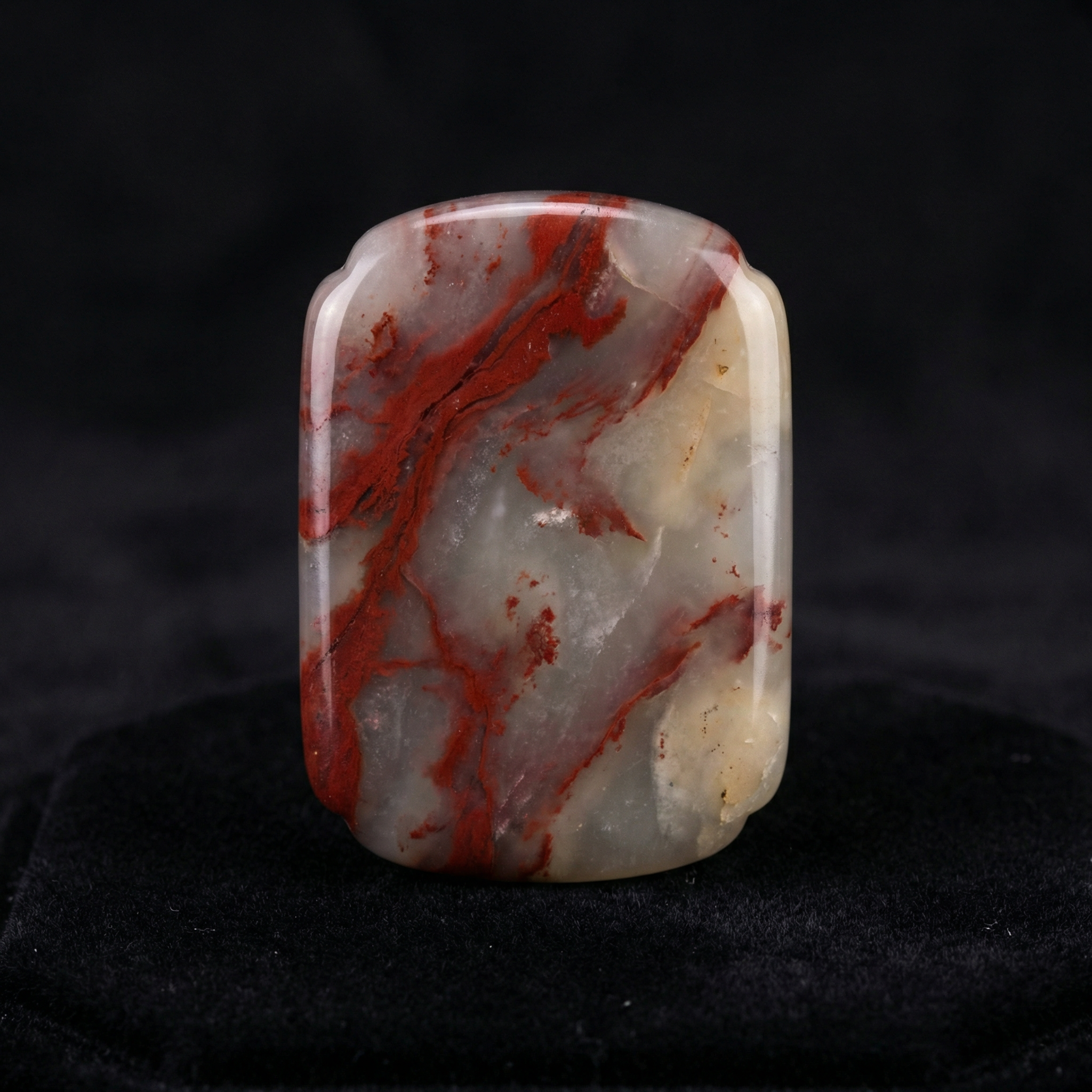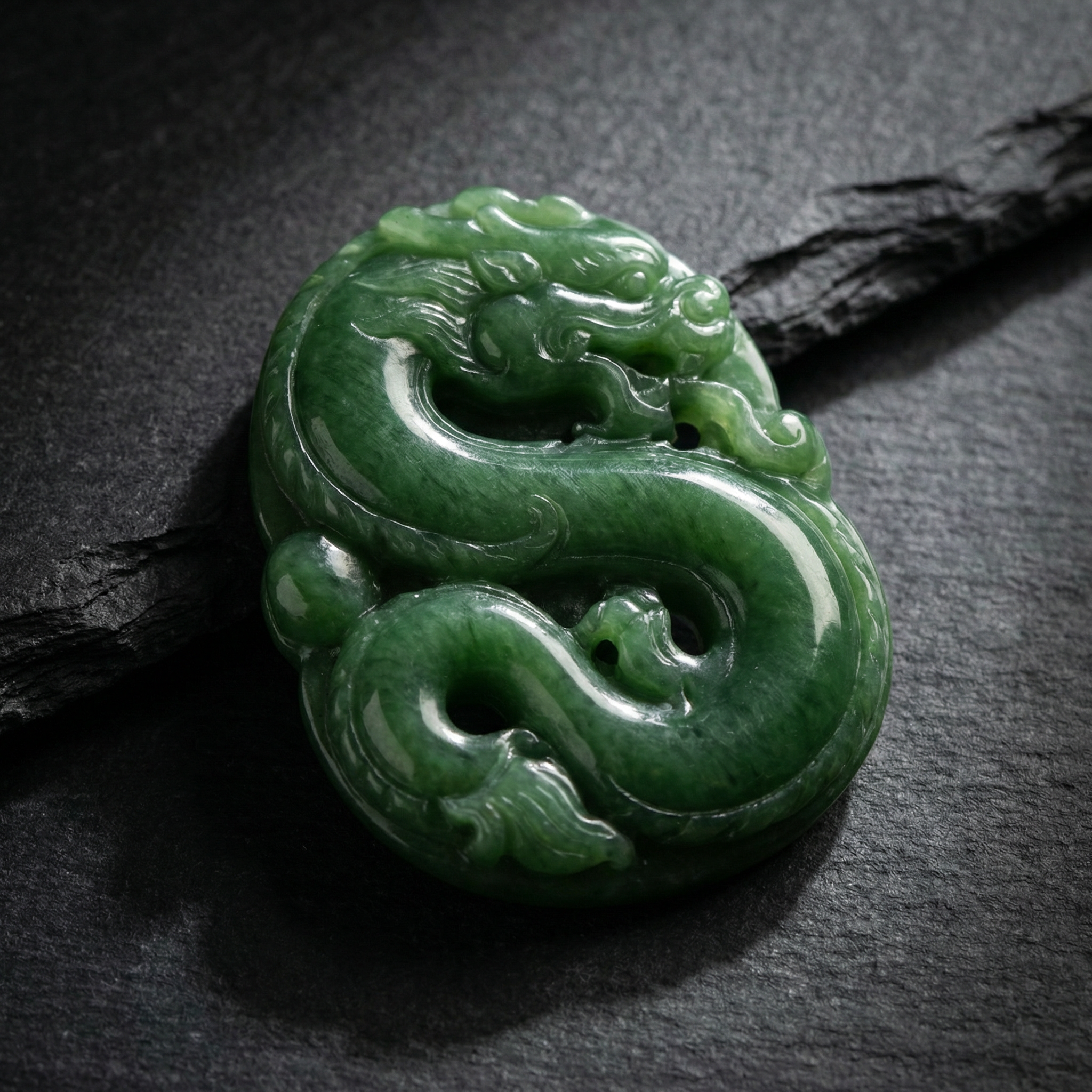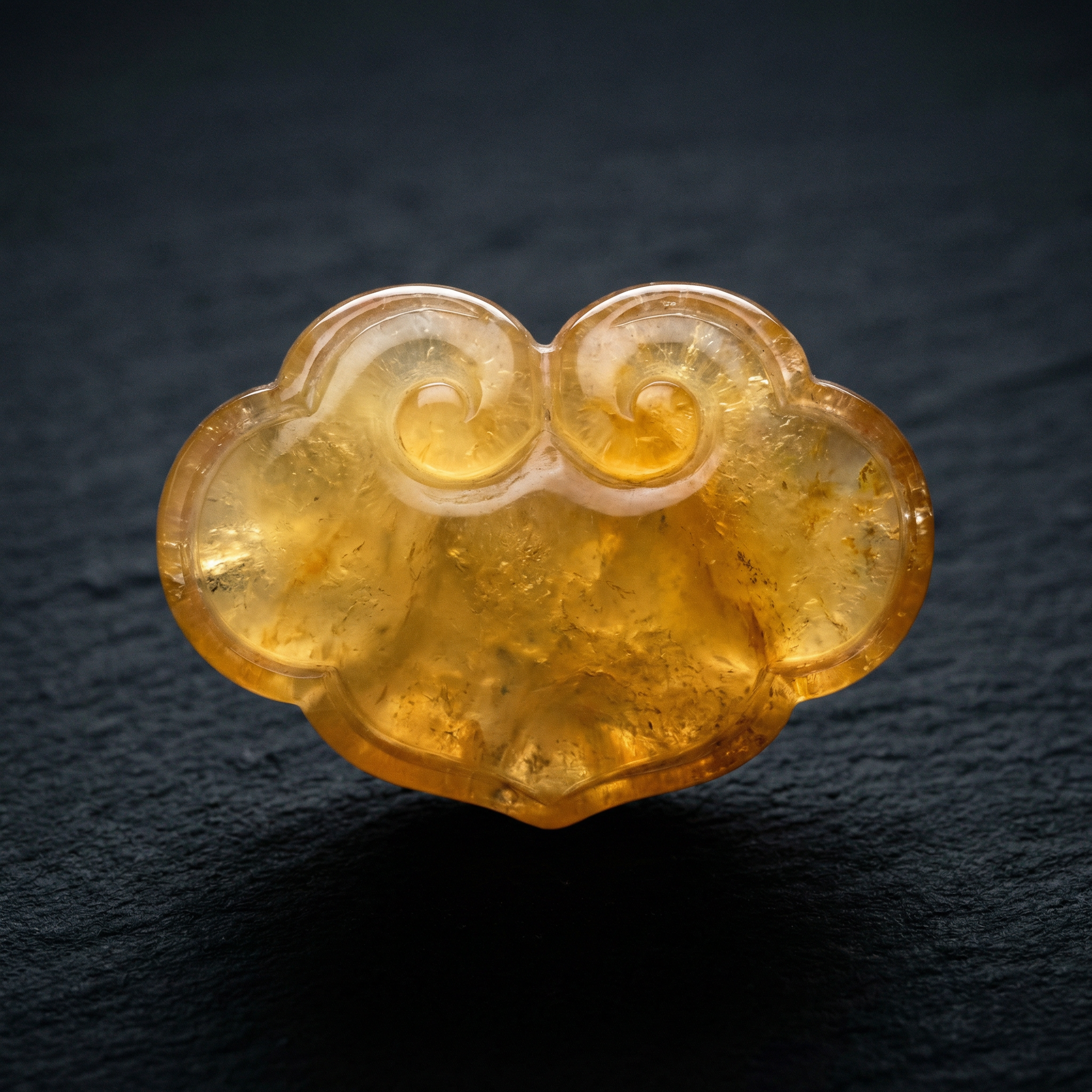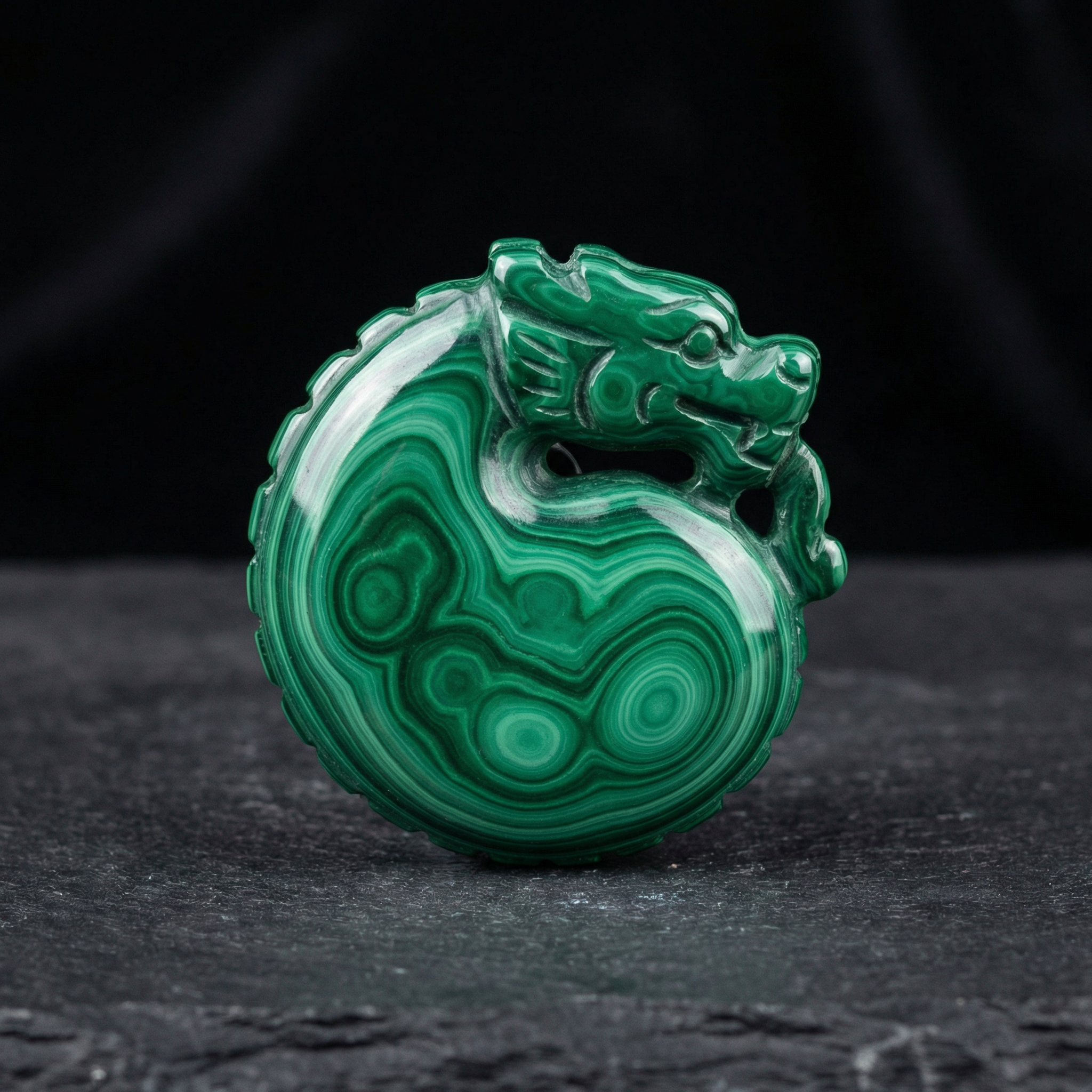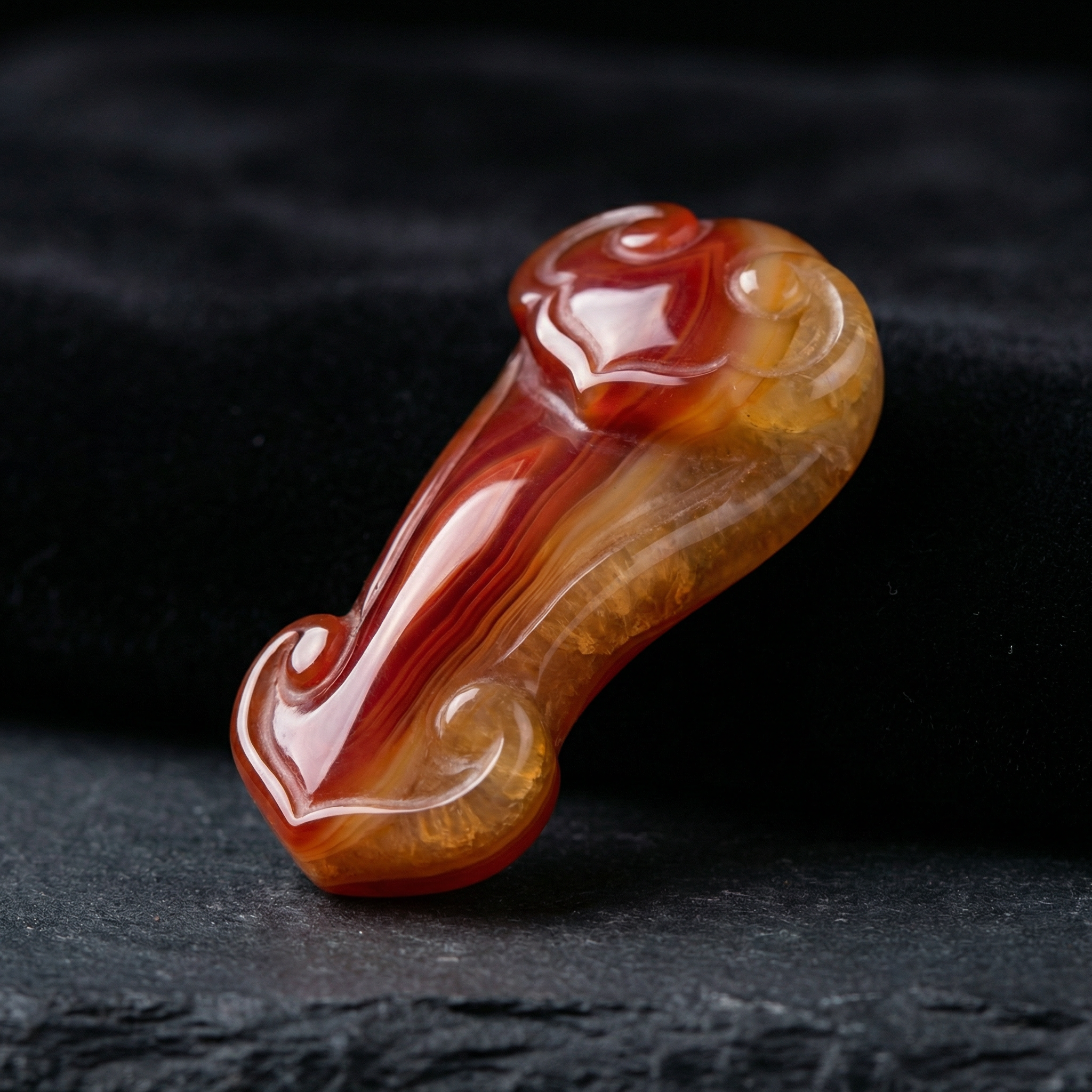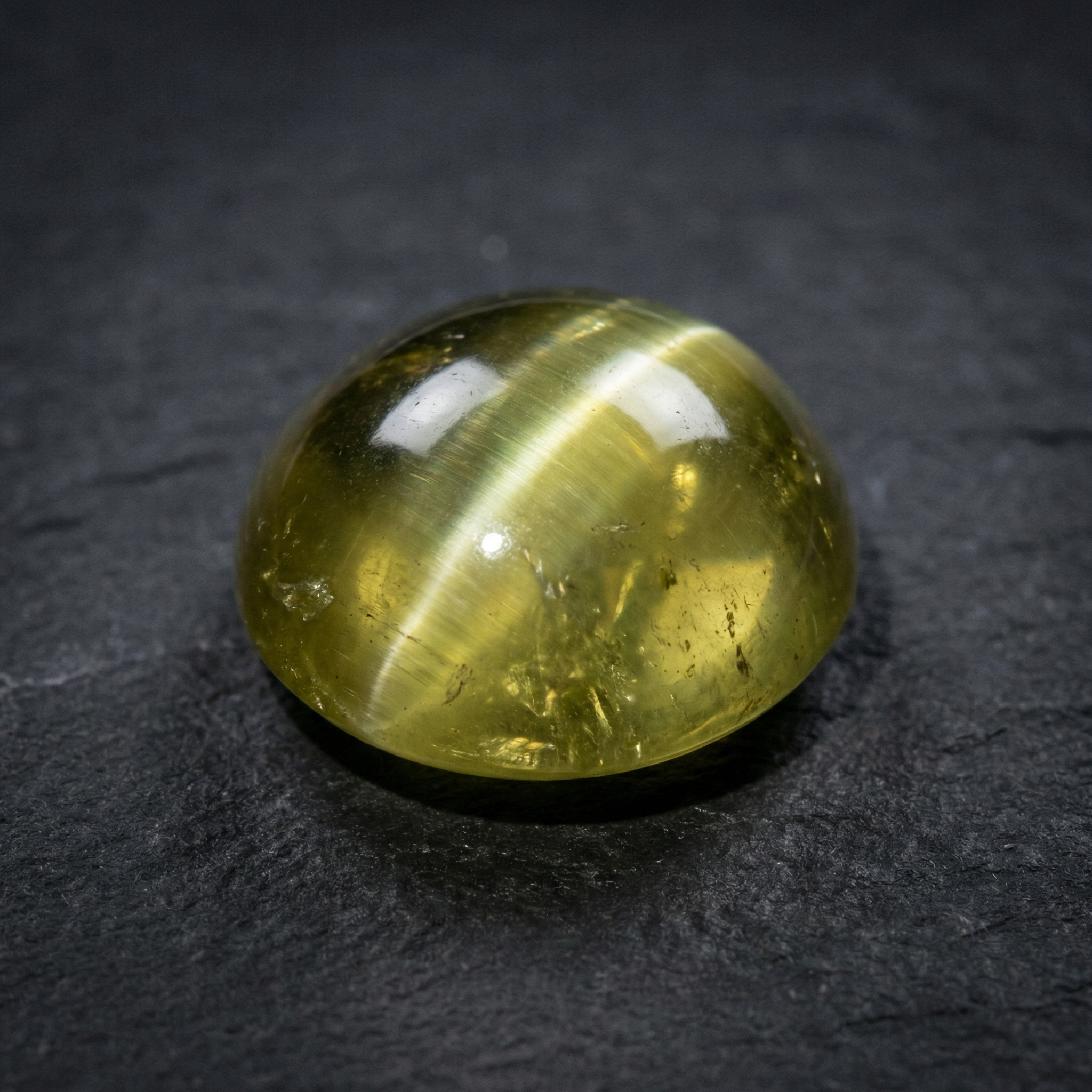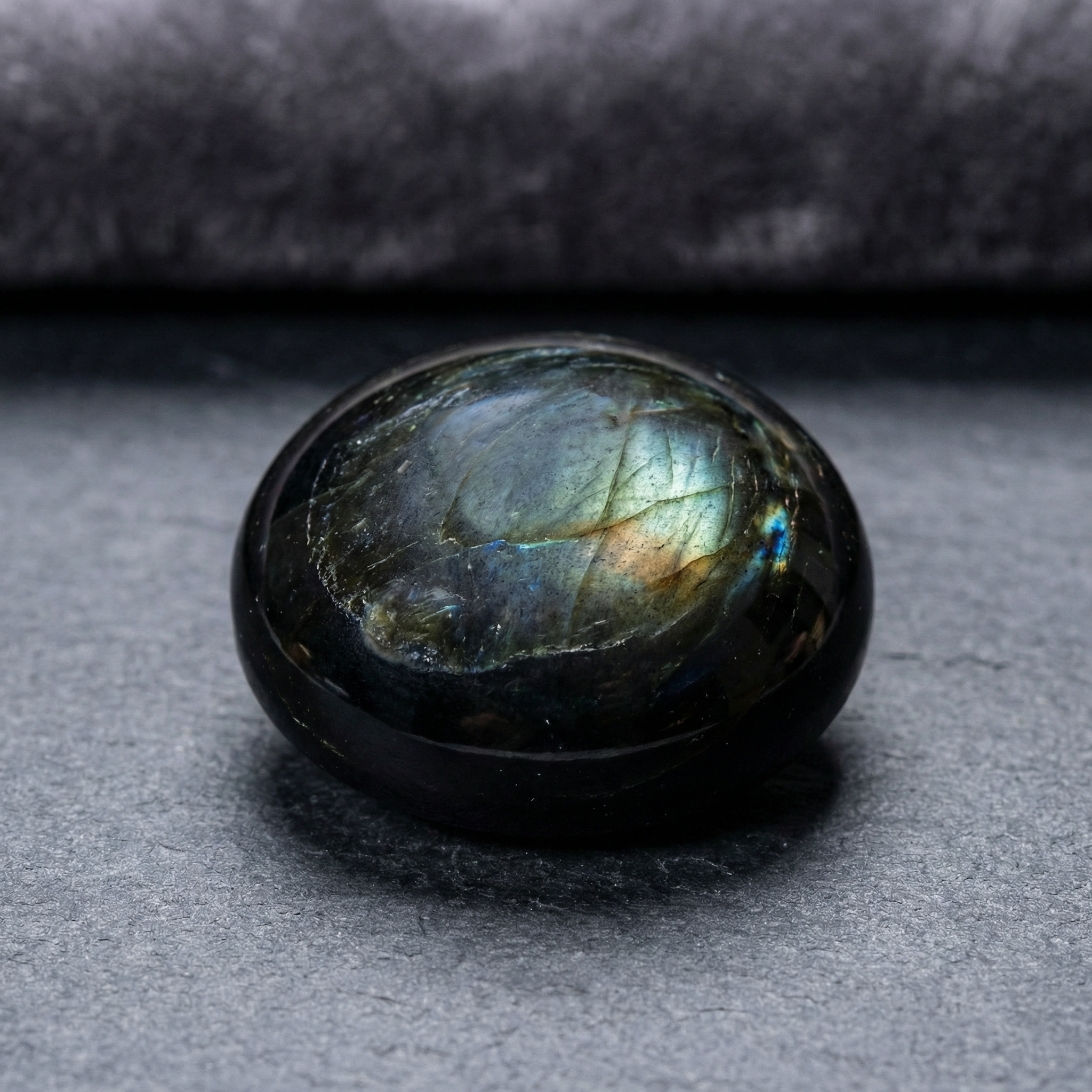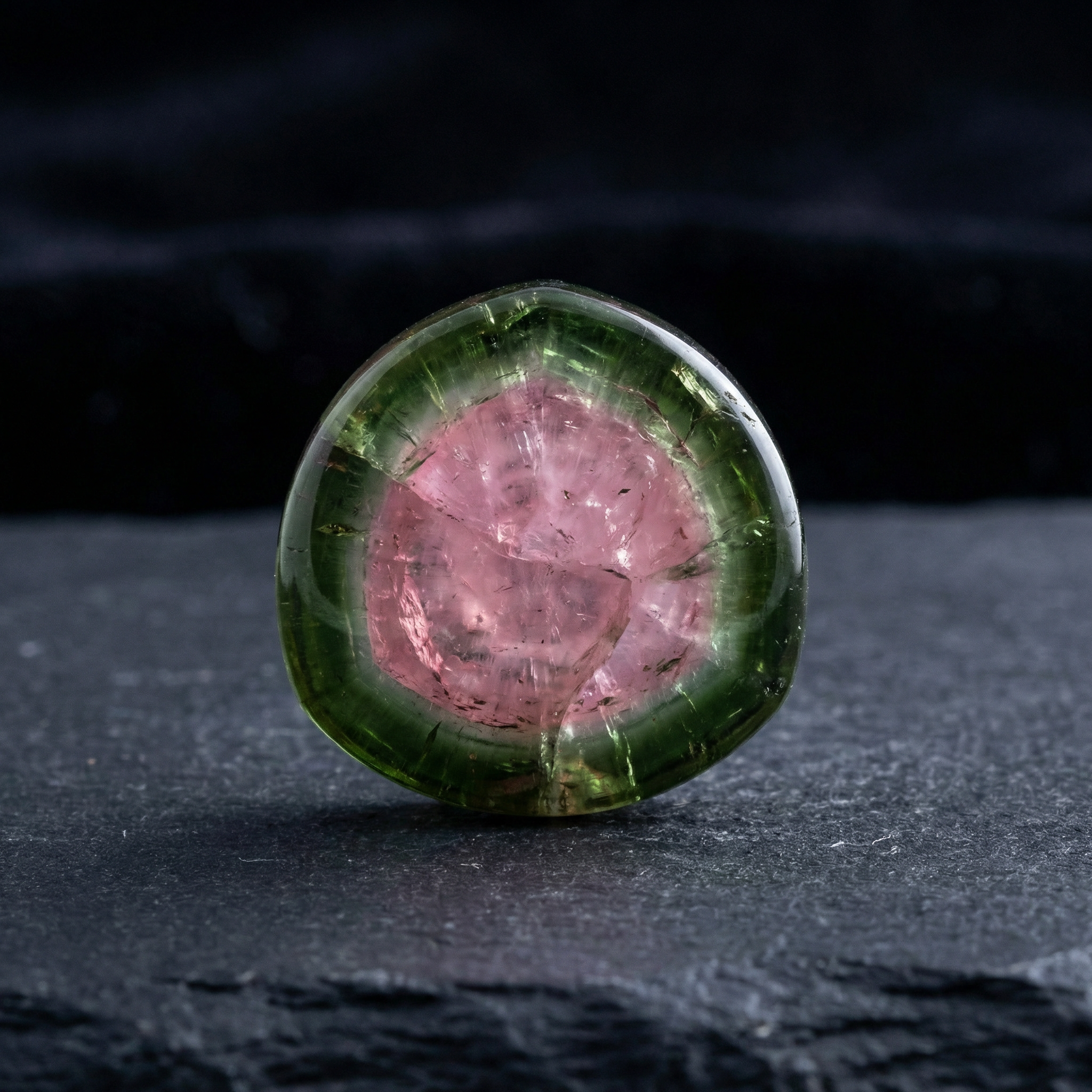
Tourmaline (Elbaite)
Tourmaline, also known as 'elbaite' in mineralogy, is a precious gemstone celebrated for its diverse spectrum of colors. Its name originates from the Sinhalese word 'turamali,' meaning 'mixed gems,' which aptly describes its rich palette. It spans nearly every hue, from deep black to vibrant red, and from serene blue to lively green. In Chinese culture, tourmaline is highly favored for its phonetic similarity to 'bìxié' (辟邪), meaning to ward off evil, and is regarded as a talisman of good fortune and peace. As the birthstone for October, it symbolizes hope, comfort, and tranquility.
Mohs Hardness
7.0-7.5
Origin
Brazil, Sri Lanka, Nigeria, Mozambique, USA
Market Price Range
Entry-level (common colors, included): $7-$20/gram Mid-range (better color, fair clarity): $20-$70/gram High-quality (vivid colors like Rubellite, Indicolite, high clarity): $70-$280/gram Top-tier (Paraiba, Watermelon, large carat): Over $280/gram, can reach tens of thousands per carat.
Detailed Description
Identification Methods
Color Zoning: Many tourmaline crystals exhibit distinct color zoning, often in concentric rings (like watermelon tourmaline) or along the crystal's length.
Pleochroism: It displays strong pleochroism, meaning it shows different colors or color depths when viewed from different angles.
Double Refraction: Tourmaline is strongly doubly refractive. When looking through the stone at a line or facet edge, you may see a doubling of the image.
Electrical Properties: When gently warmed or rubbed, it develops a static electrical charge that can attract dust or small paper particles (pyroelectricity and piezoelectricity).
Inclusions: Typical inclusions are fine, parallel tubes or needles (trichites), which are characteristic and can distinguish it from glass or other synthetics.
Market Information
The tourmaline market is diverse, with prices heavily dependent on color, clarity, and origin. The neon-blue Paraíba tourmaline from Brazil and Mozambique remains the most valuable, with top-grade stones fetching tens of thousands of dollars per carat. Rubellite (vivid red) and Indicolite (deep blue) also command high prices. While the market for common green and pink tourmalines is stable, there is growing appreciation for unique multi-colored and bi-colored specimens. As a durable and versatile gem, tourmaline's popularity in both high jewelry and everyday wear continues to grow steadily.
Classification
Tourmaline (Borosilicate Mineral)
Curated selections with appraisal guarantee