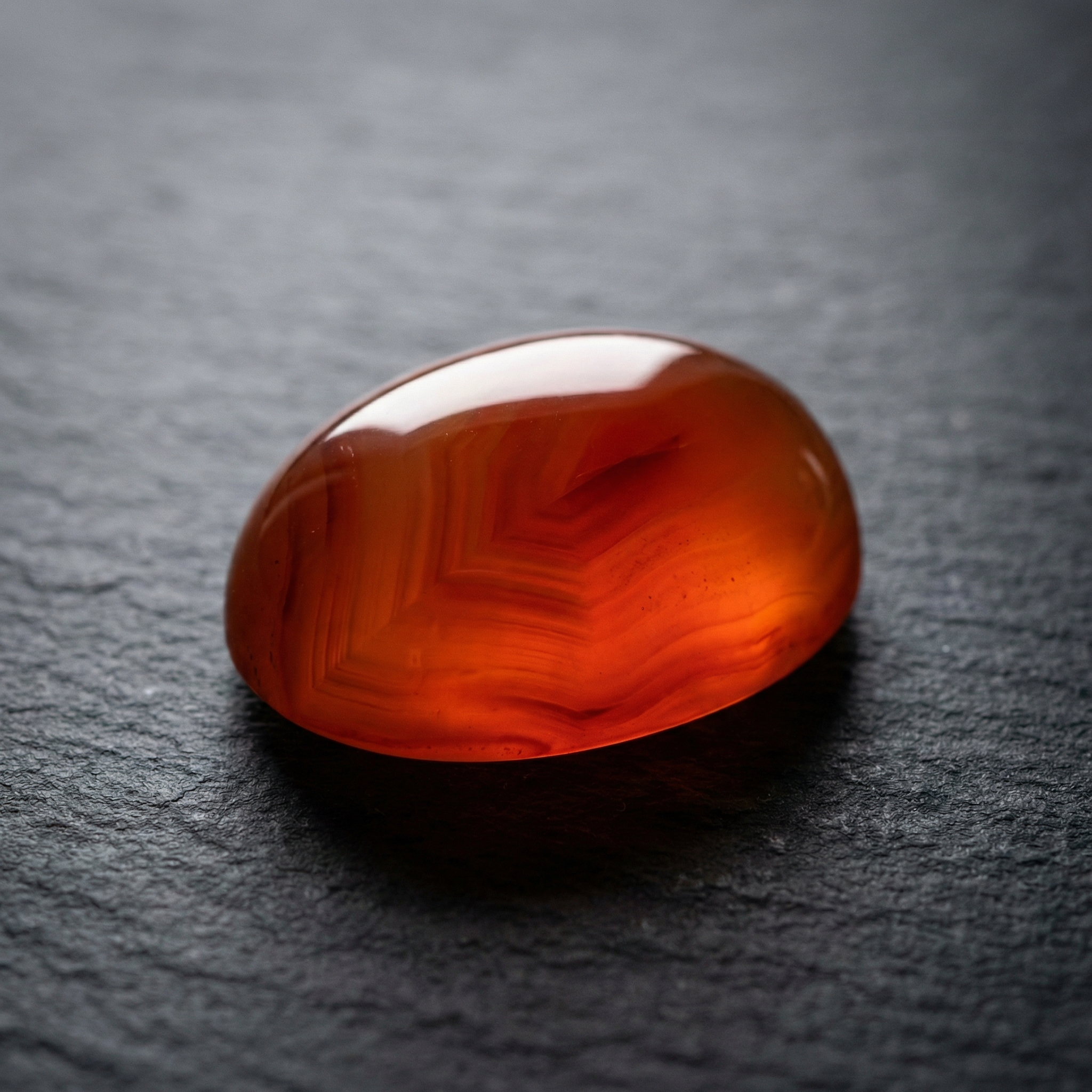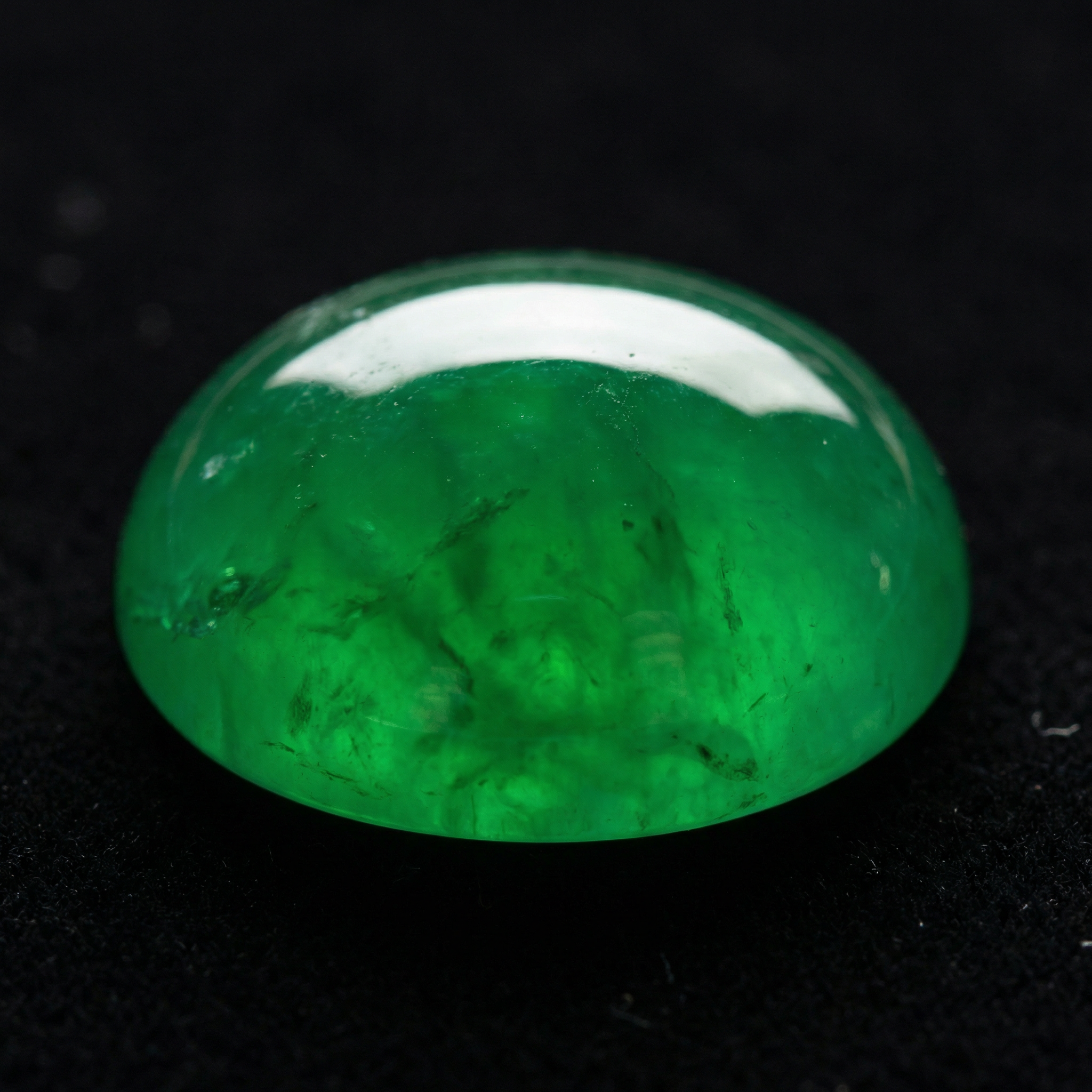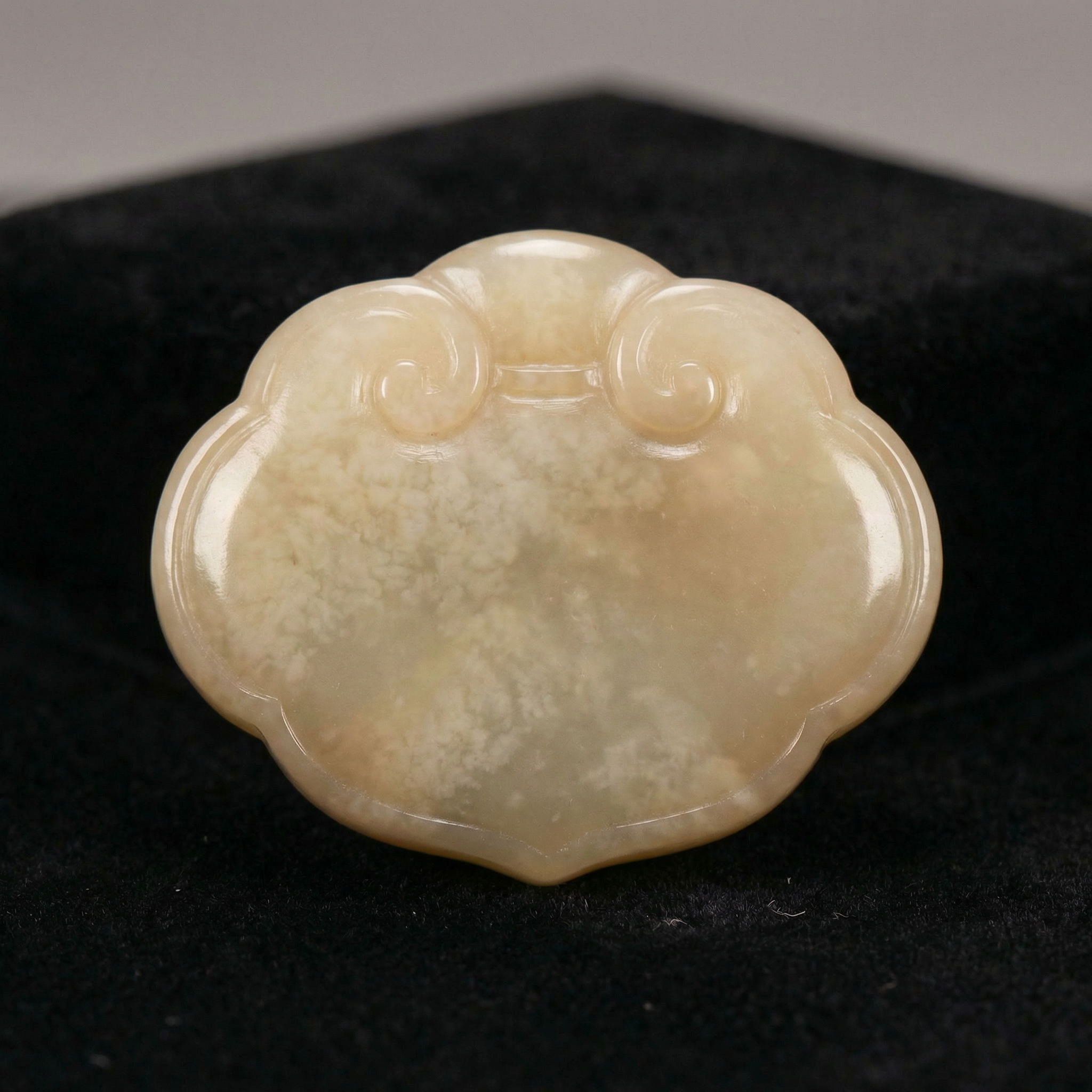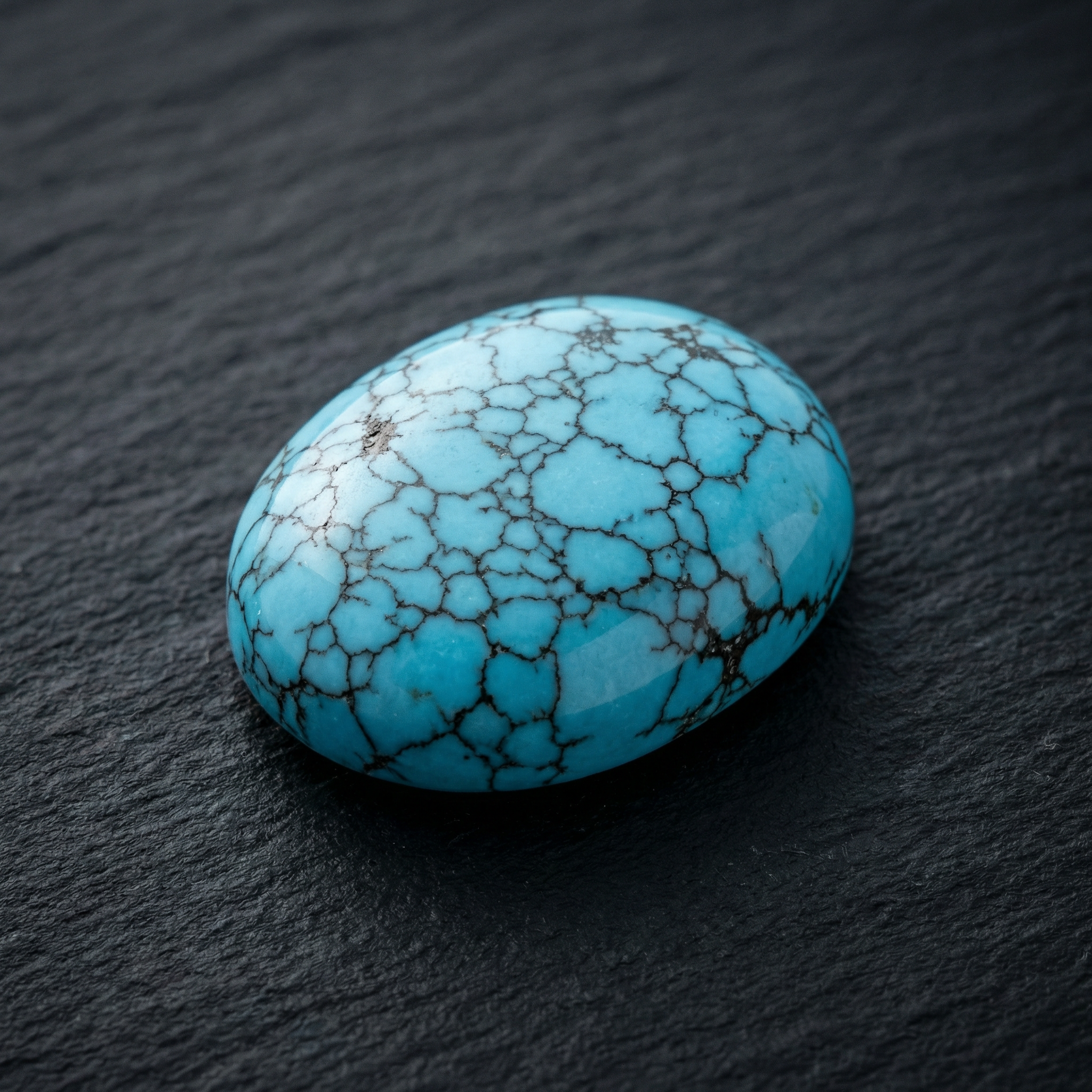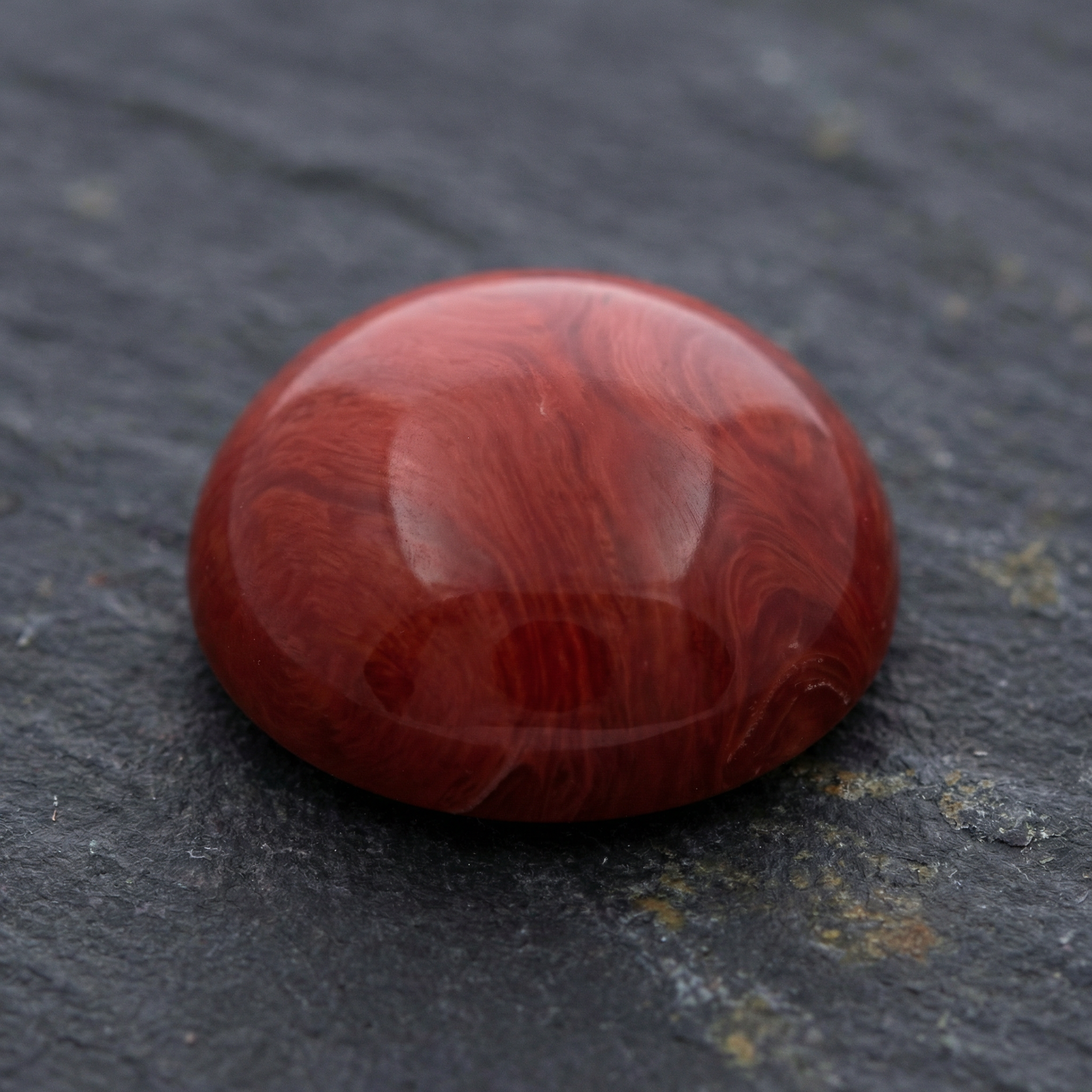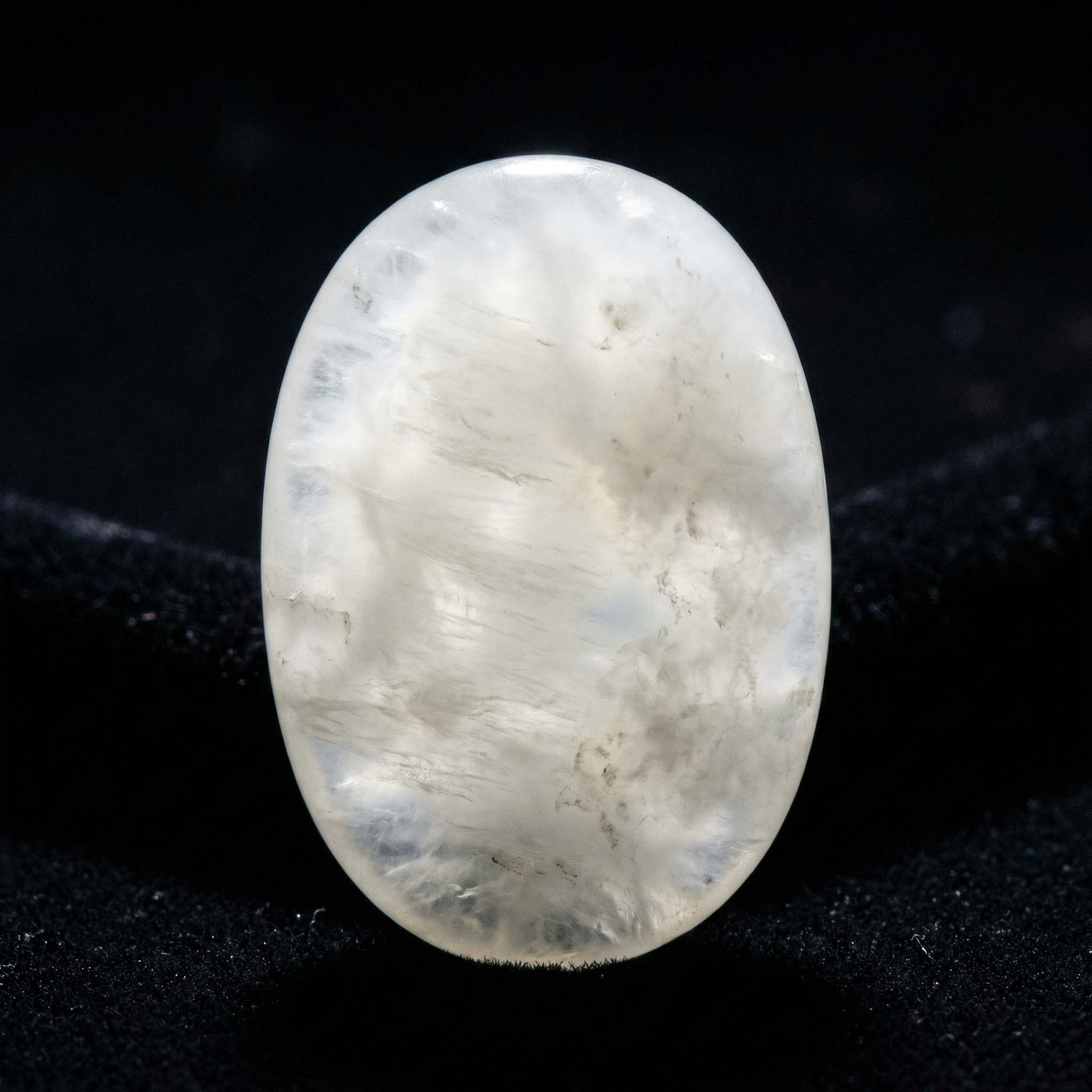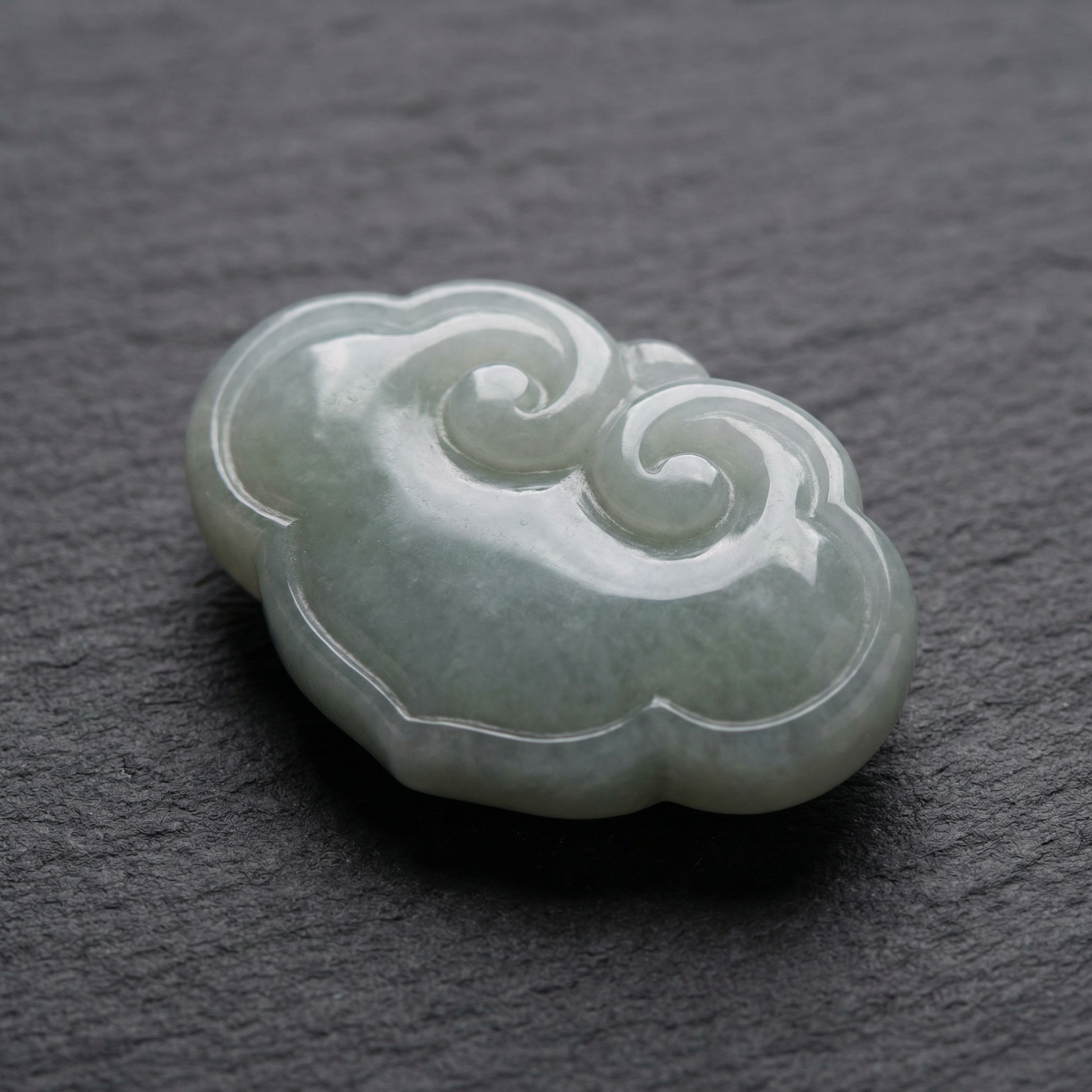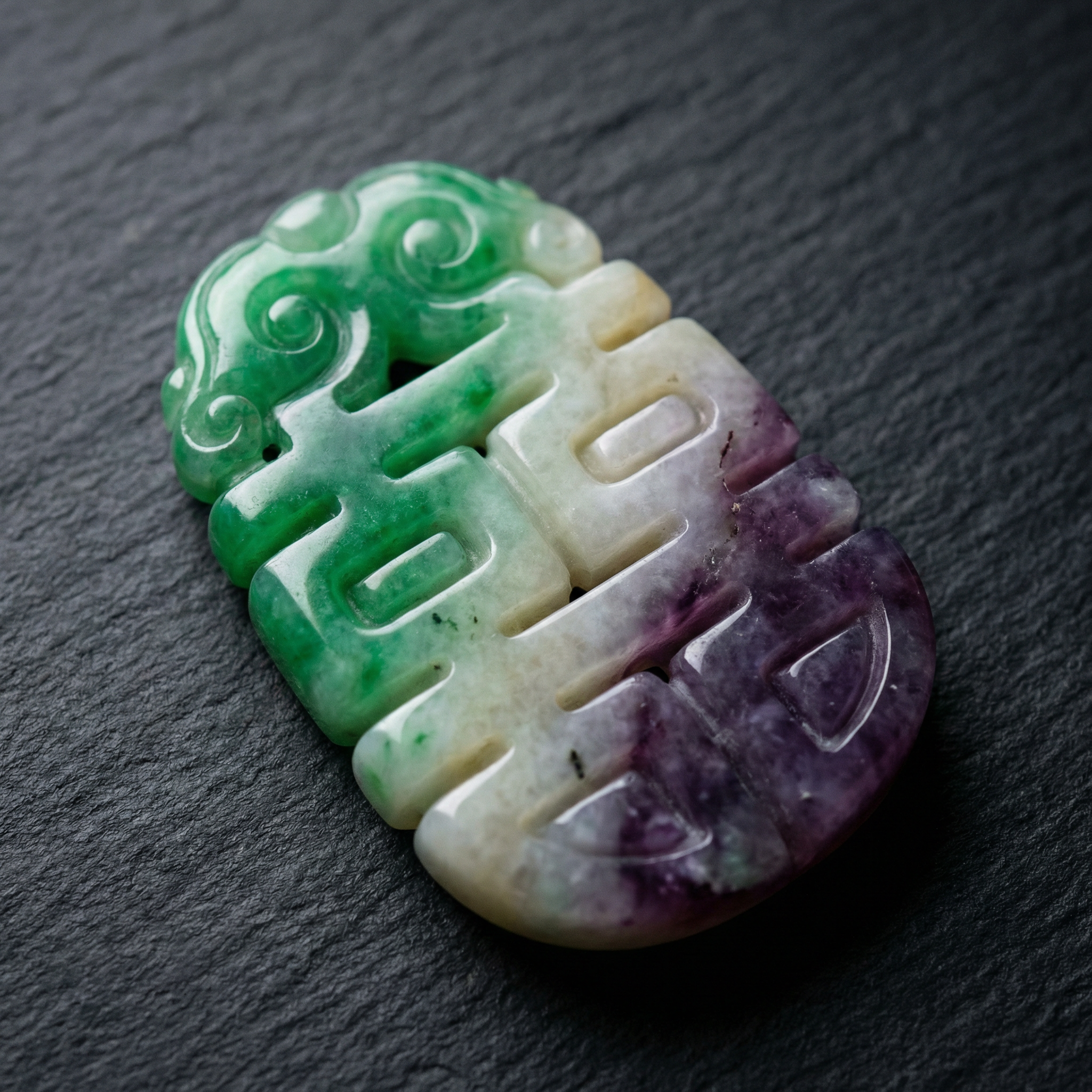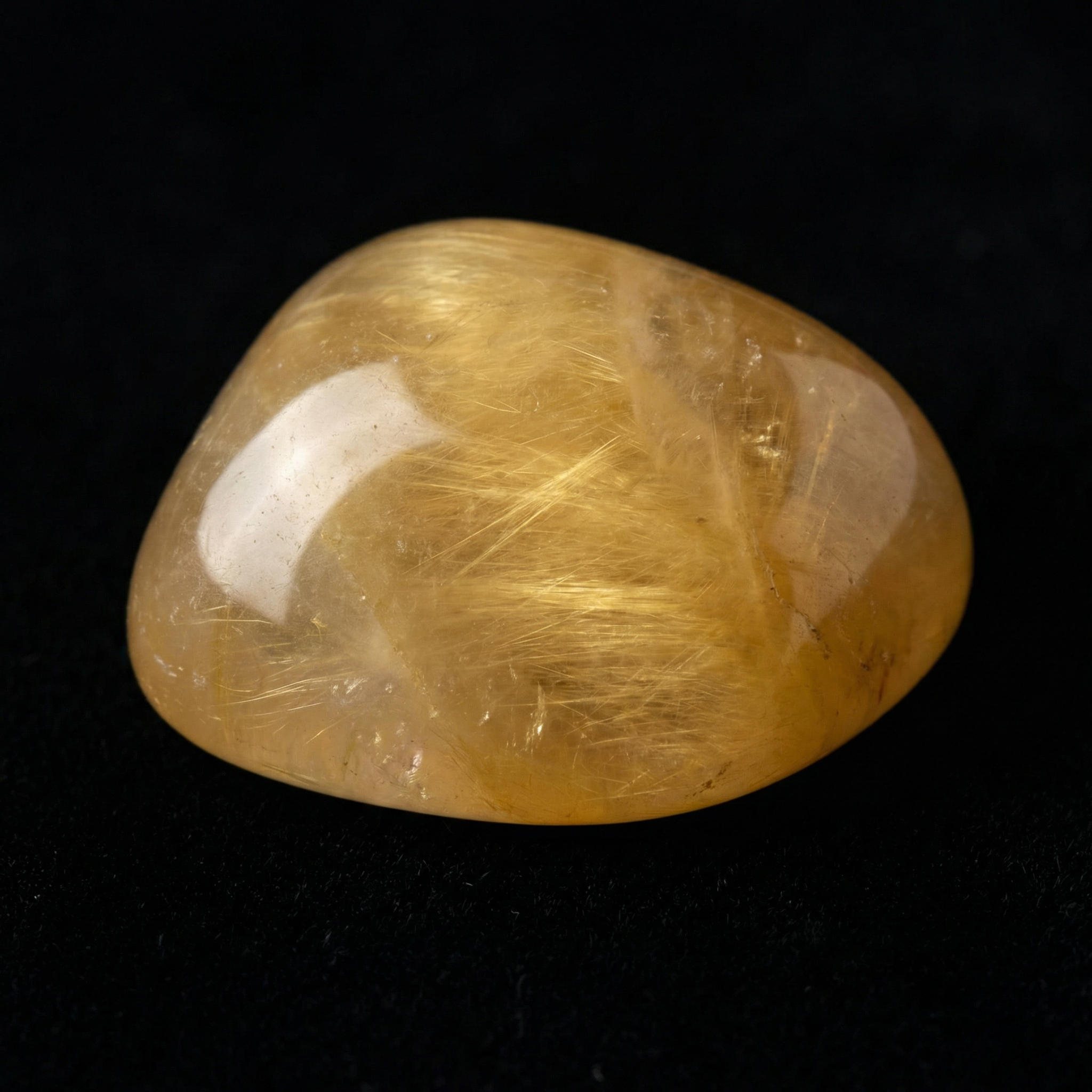
Golden Silk Jade (Quartzite)
Jinsi Jade, or Golden Silk Jade, is a type of quartzite jade cherished for its golden hues and intricate internal silk-like patterns. Originating from the ancient Silk Road region in Xinjiang, China, it embodies a rich history and cultural significance, representing wealth and nobility. Its fine texture and warm colors make it a favored material for carving and jewelry.
Mohs Hardness
6.5-7.0
Origin
Karamay, Altay, Tacheng in Xinjiang, China
Market Price Range
Common Quality: $10 - $100 per piece.||Medium Quality: $100 - $800 per piece or per kilogram for raw stones.||High Quality (Gem-grade 'Baoshiguang'): $800 - $10,000+ per piece.
Detailed Description
Identification Methods
Observe the internal 'radish silk' patterns, a key characteristic.
Check for a fine, oily texture and the 'gemstone light' effect in high-quality pieces.
Test its hardness; it's high (6.5-7) and cannot be scratched by a knife.
Examine the color, which should be natural and layered, unlike the uniform and superficial appearance of dyed jade.
Feel its density; it should have a noticeable heft in hand.
Market Information
The market for Jinsi Jade has grown significantly in recent years. Once a locally known stone, it has gained national recognition, leading to a steady increase in value. Prices vary widely based on quality, with top-tier 'gemstone light' pieces commanding high premiums. While the market is active, buyers should be aware of treatments like dyeing and filling. Its investment potential is considered strong due to its unique qualities and cultural heritage.
Classification
Quartzite (Cryptocrystalline Quartz)
Curated selections with appraisal guarantee