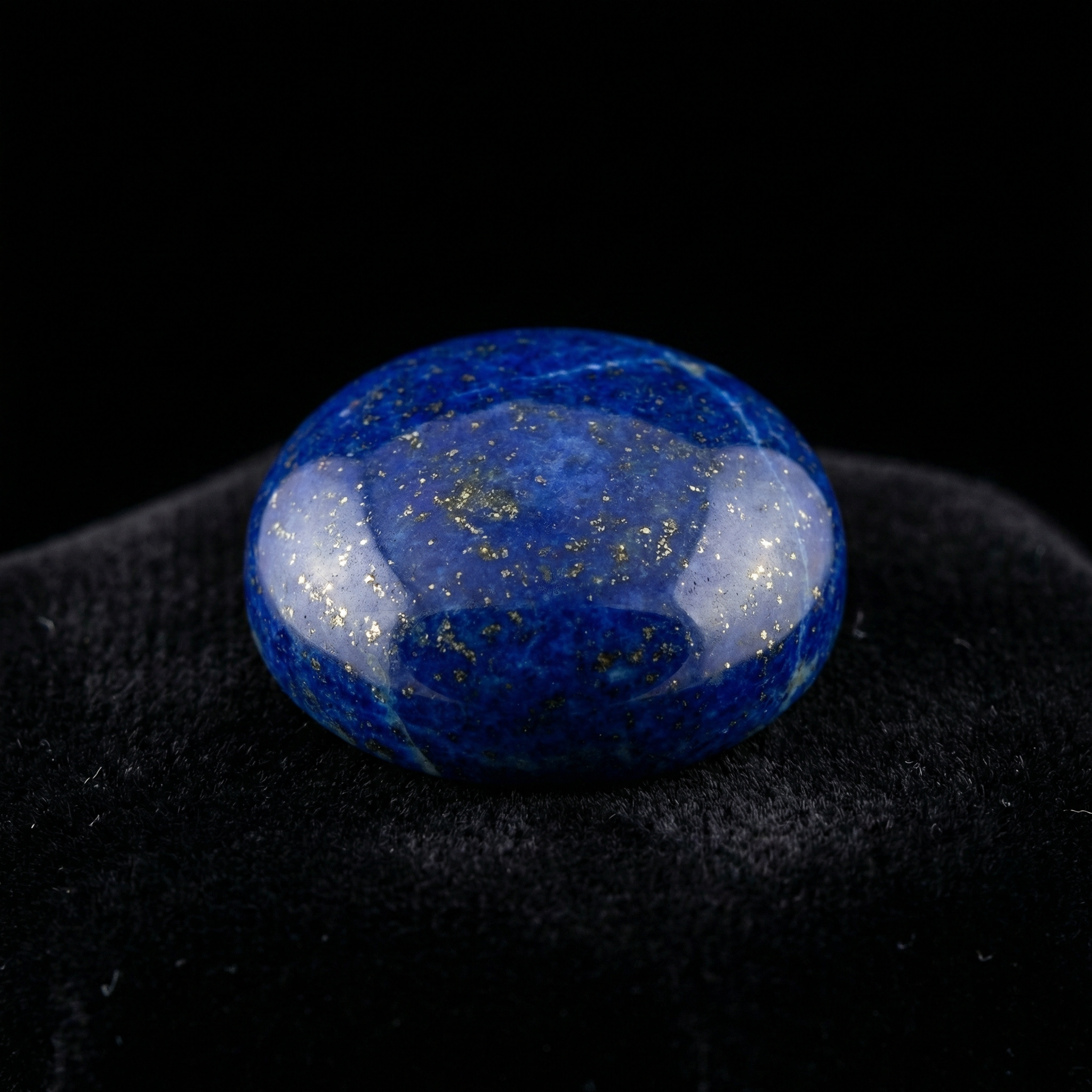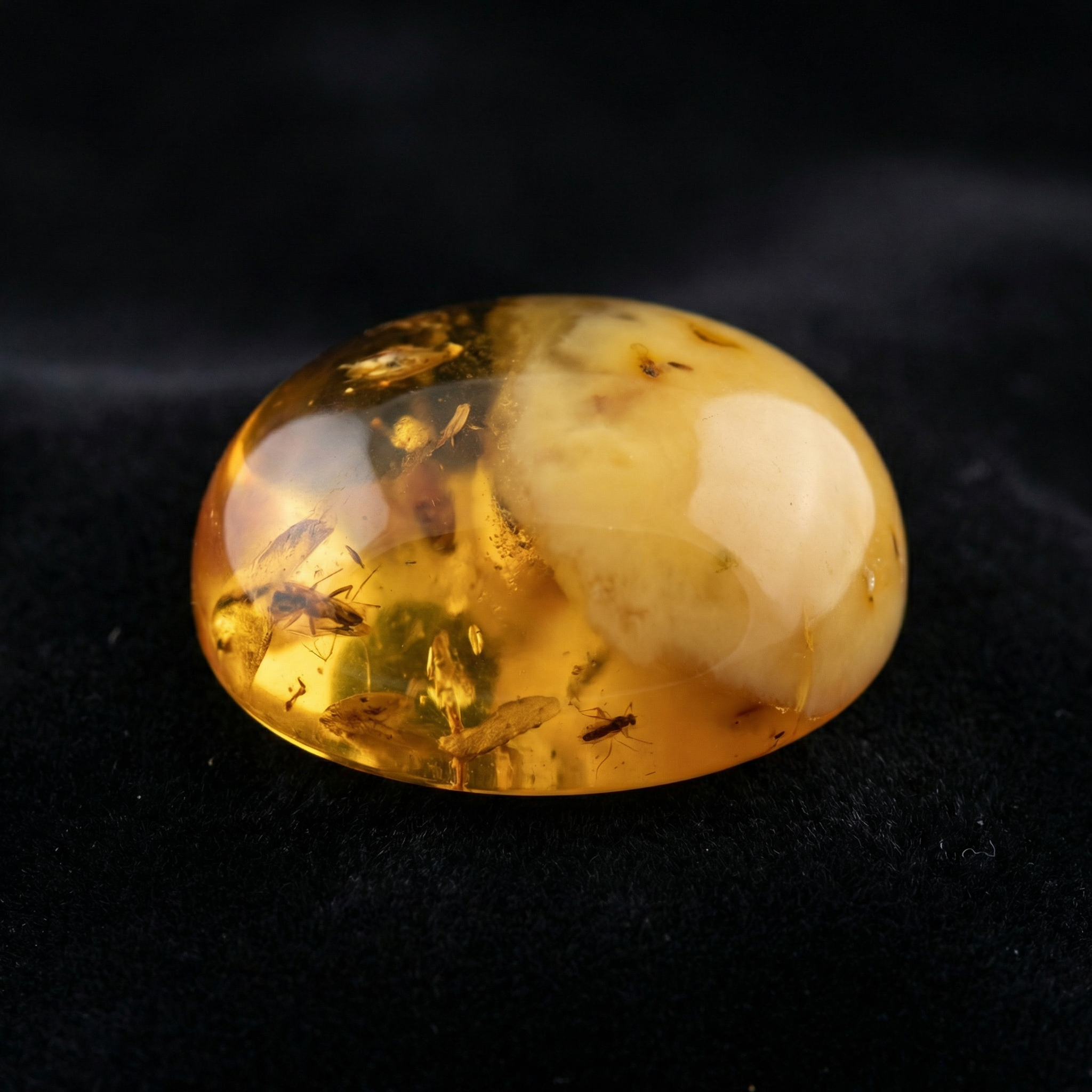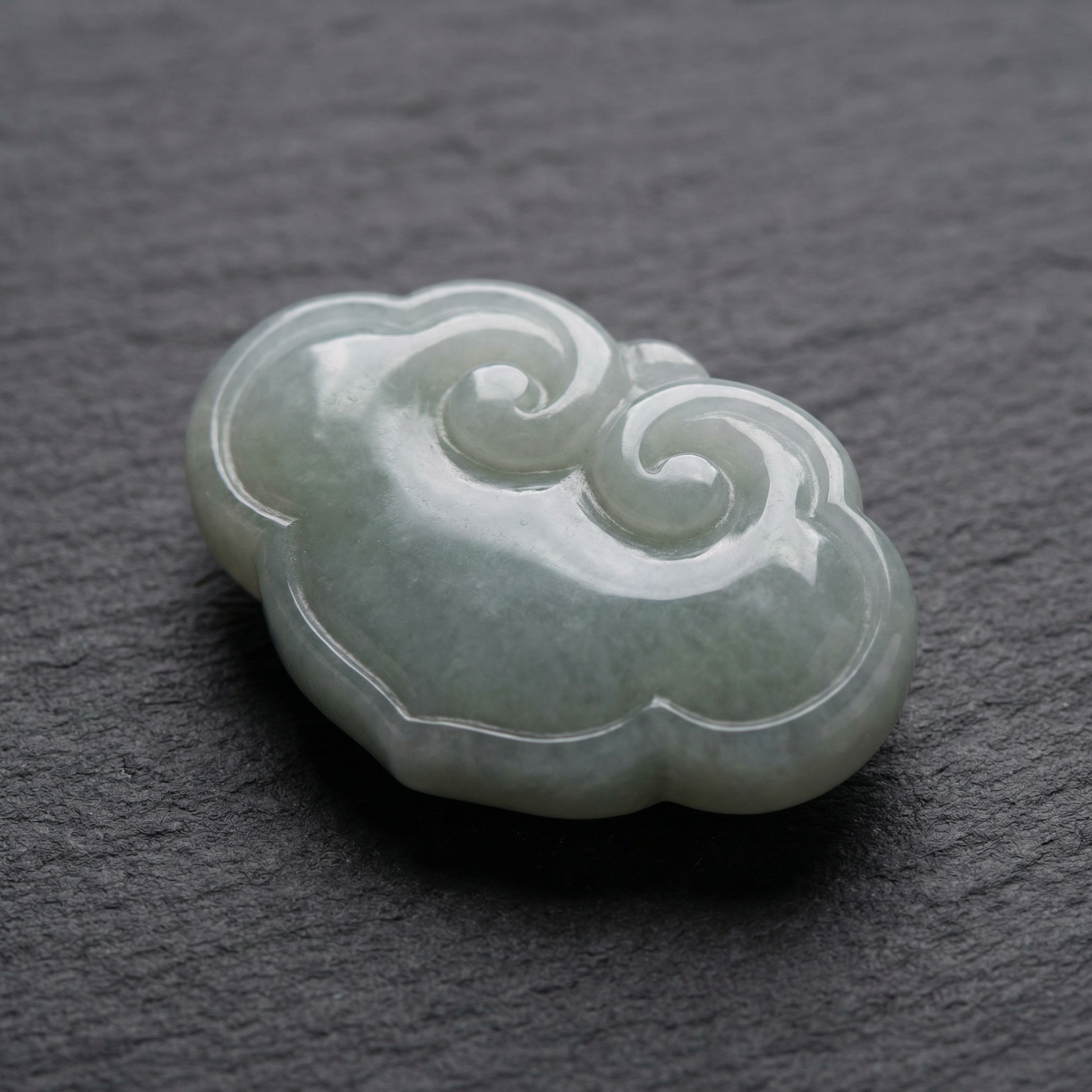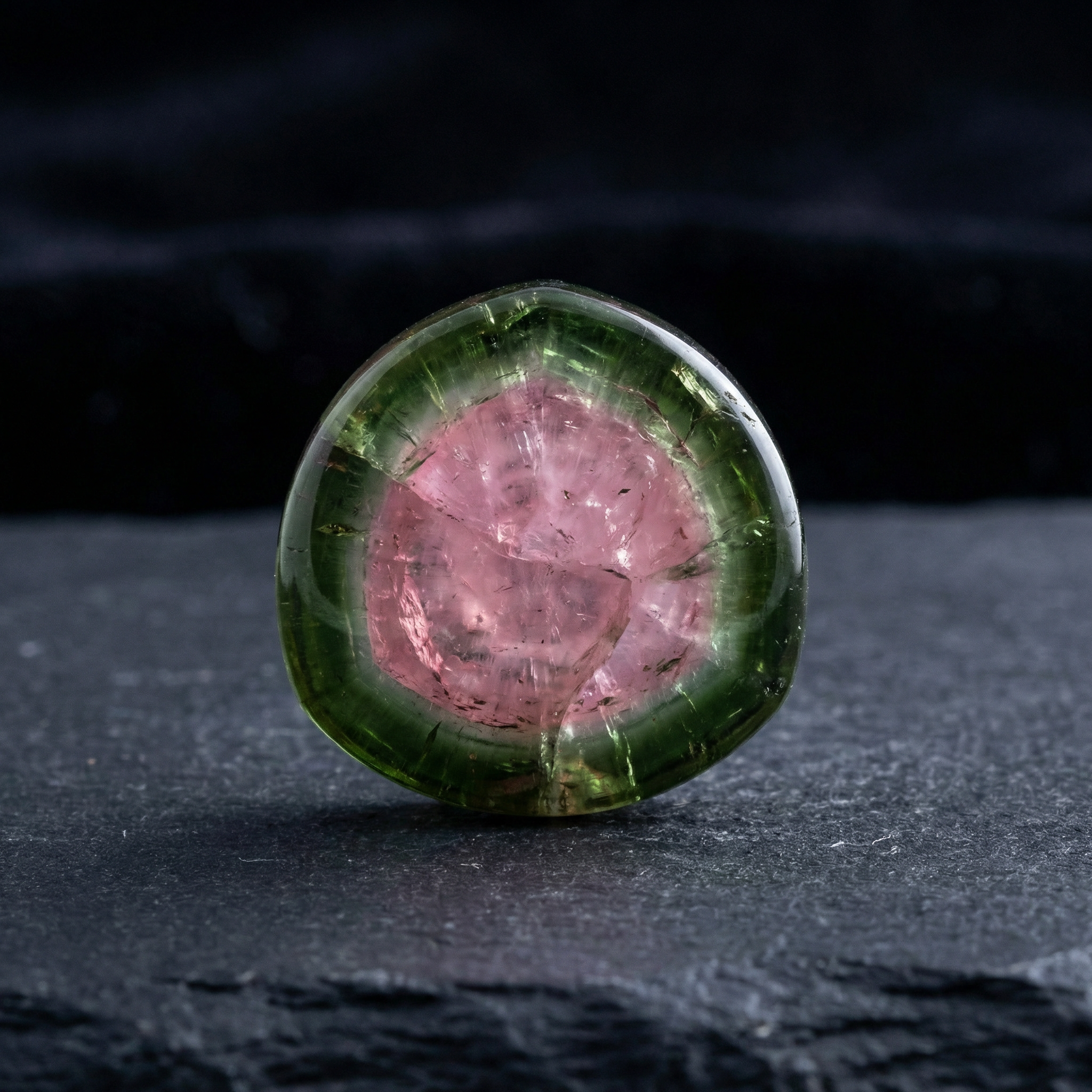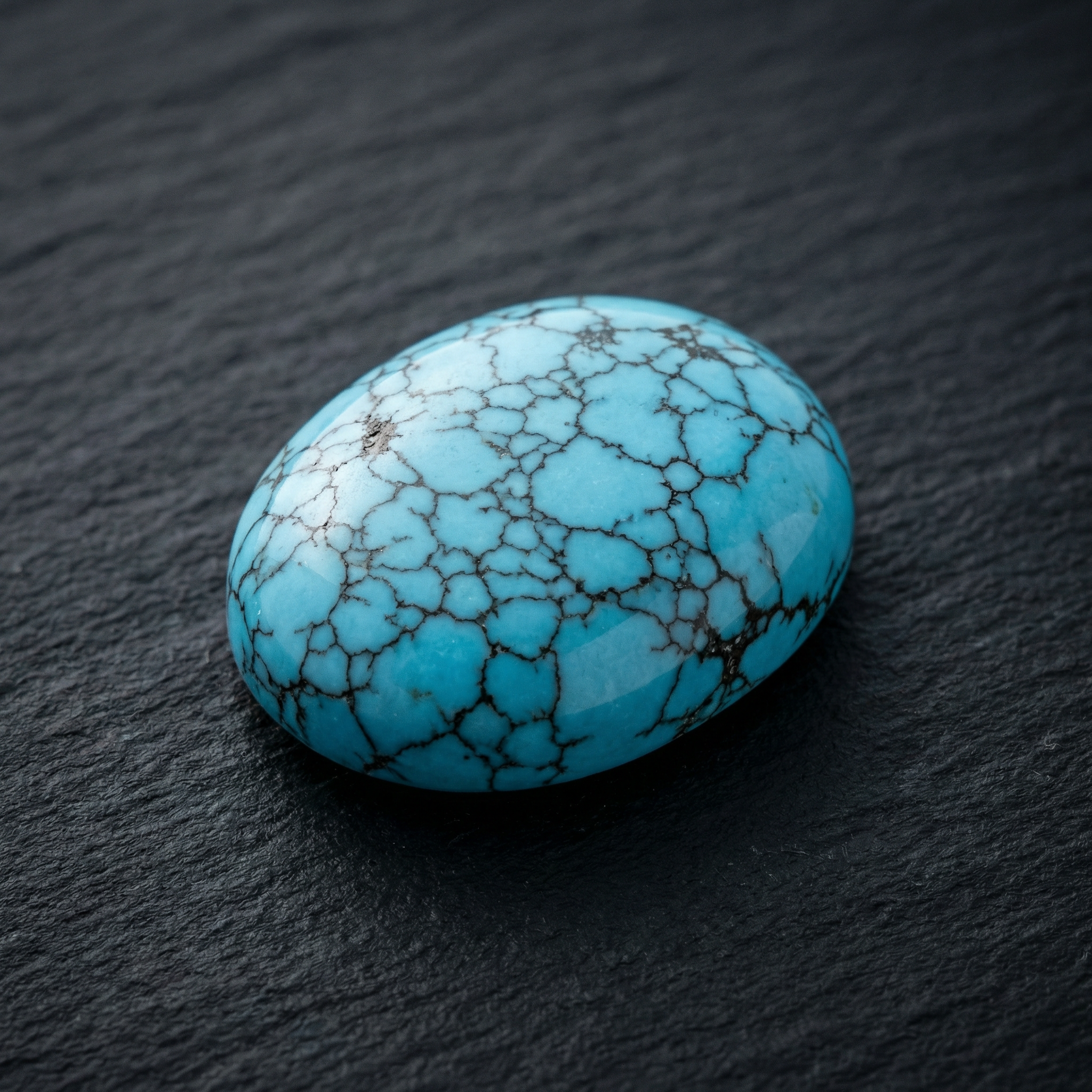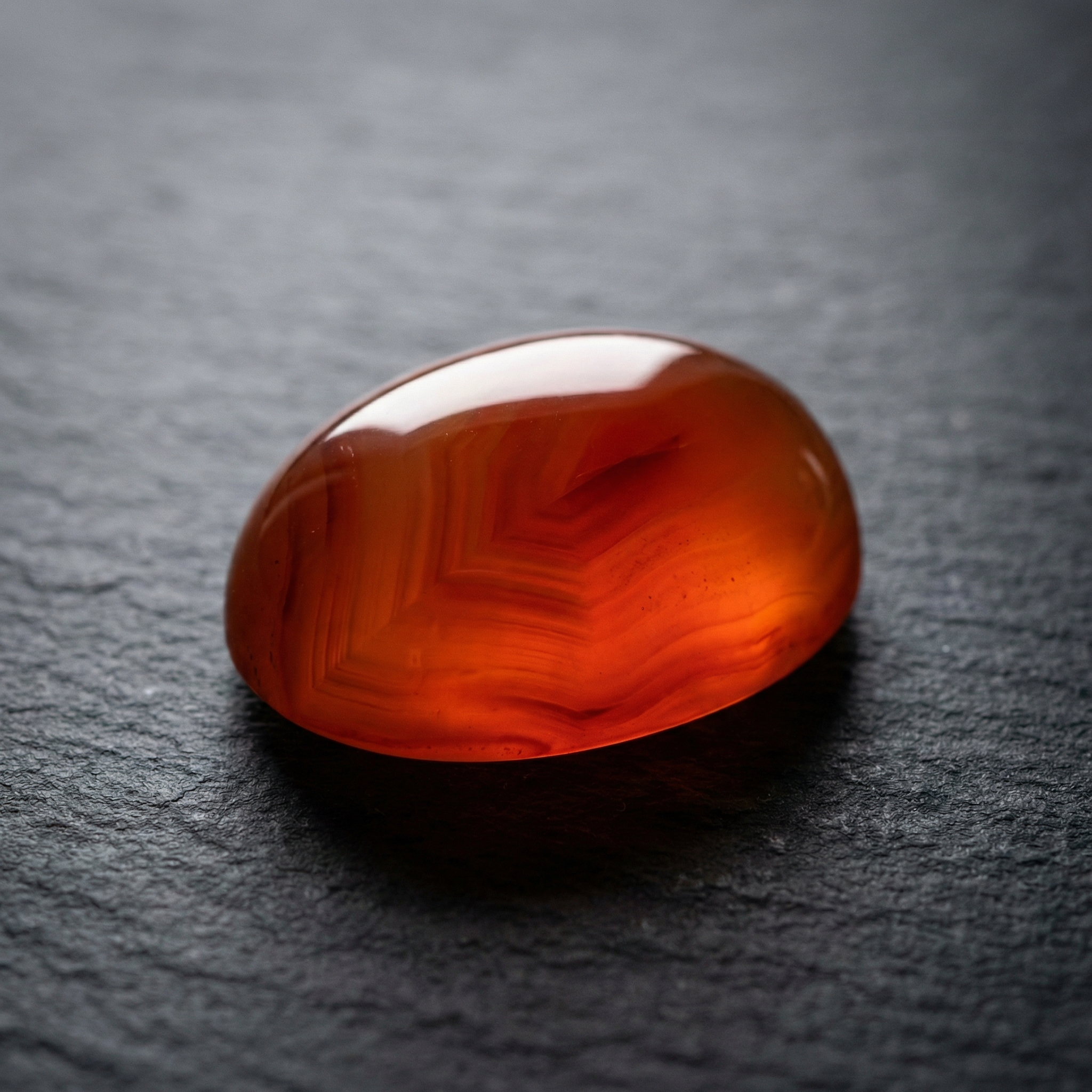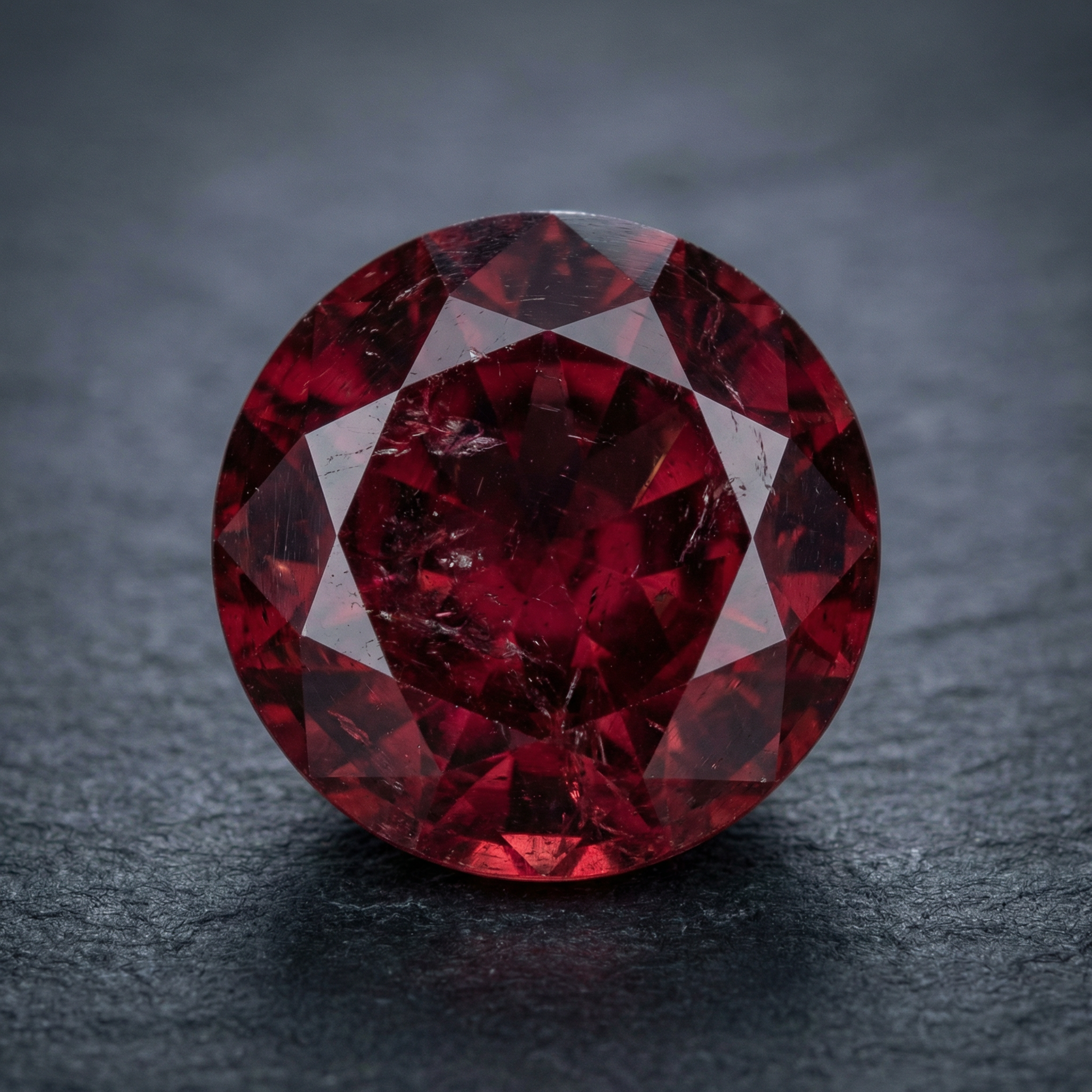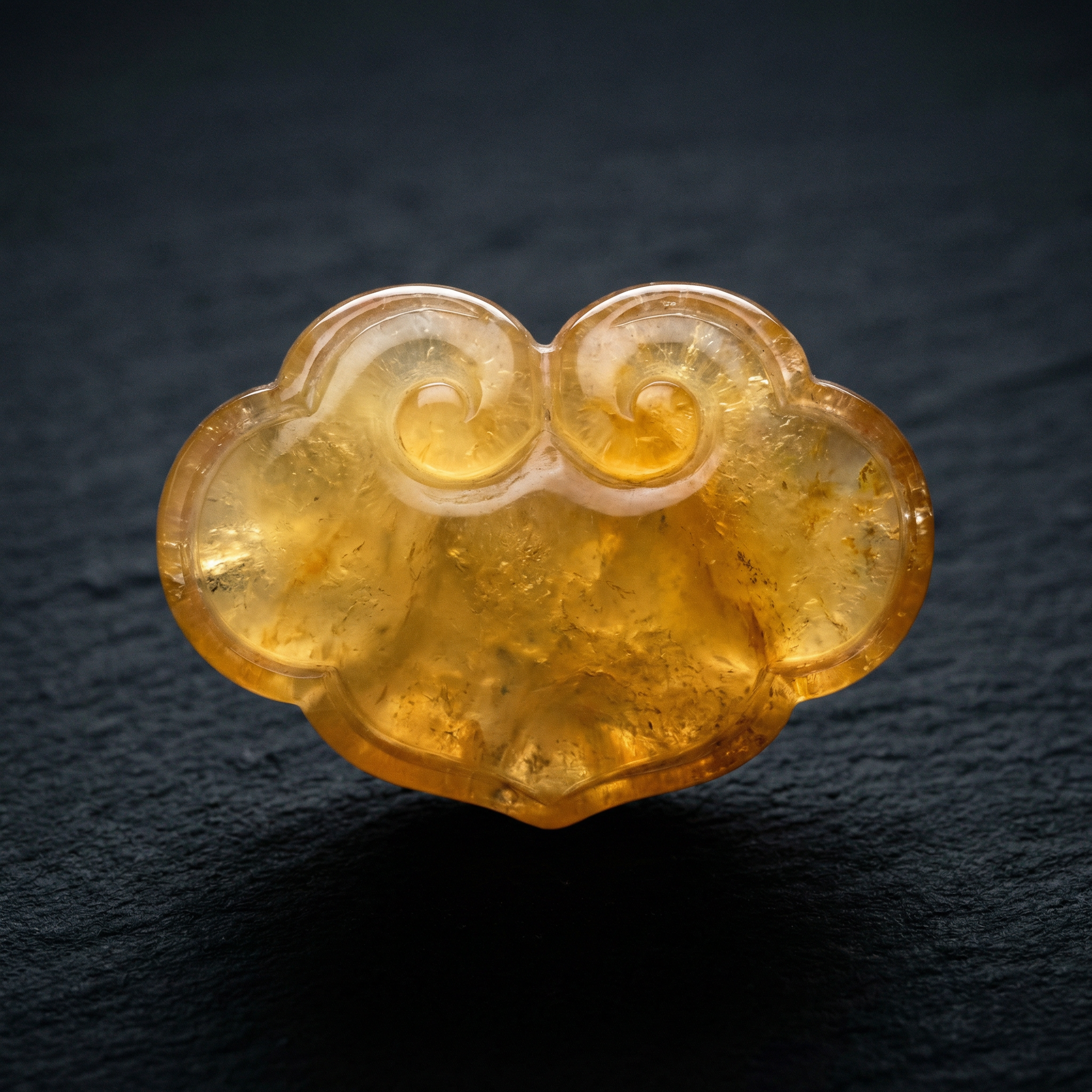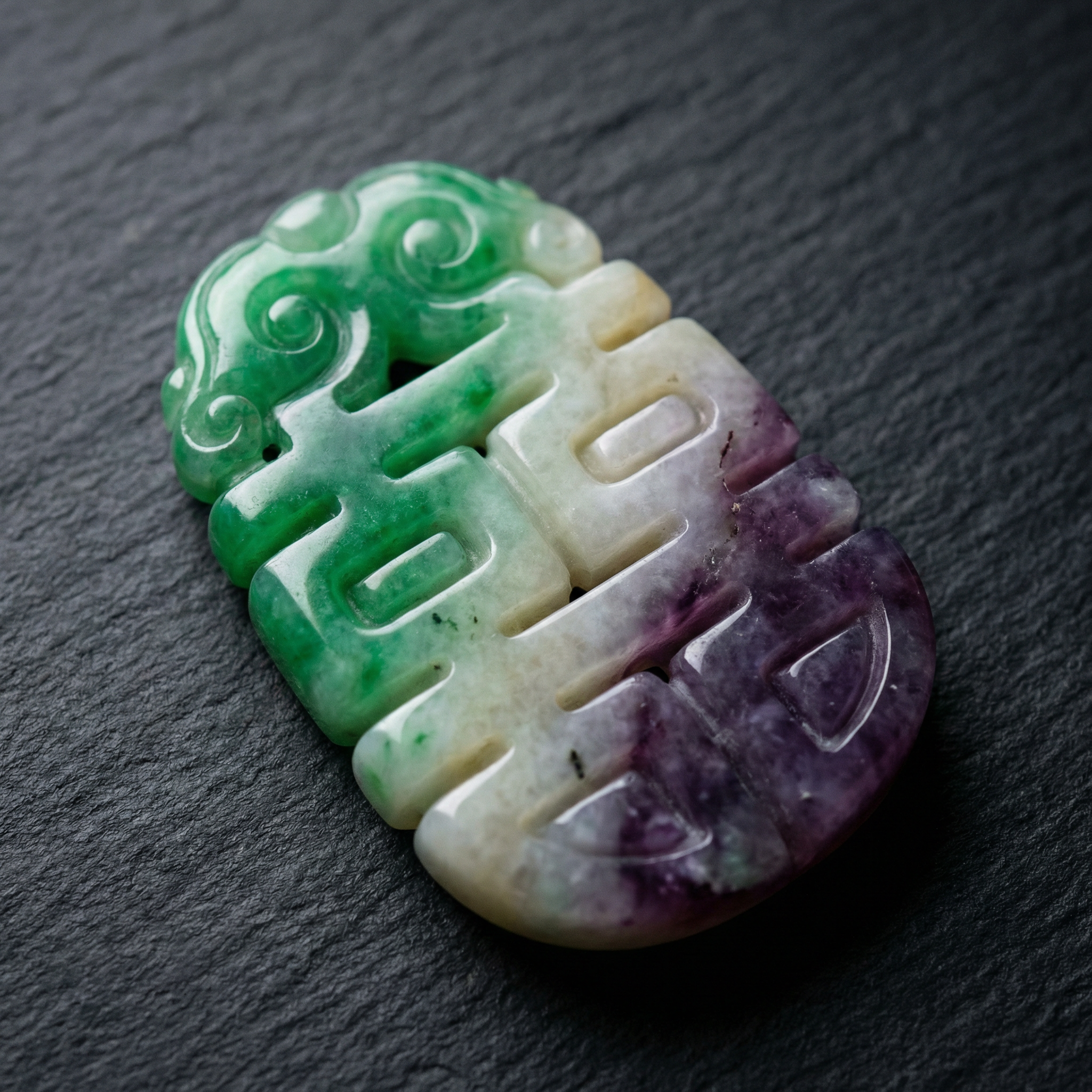
Dushan Jade (Zoisite Plagioclase)
Dushan Jade, one of the four great jades of China, is treasured for its rich and diverse colors and fine texture. Produced in Dushan, Nanyang, Henan Province, it has a history of mining and use dating back to the Han Dynasty. It is not only an important material for jade carving but also carries profound historical and cultural significance, often hailed as 'Nanyang Jade' and regarded as a gem of Chinese jade culture.
Mohs Hardness
6.0-6.5
Origin
Dushan, Nanyang City, Henan Province, China
Market Price Range
Standard Quality: $10 - $80 USD per gram. Medium-High Quality: $80 - $300 USD per gram. Collector's Grade: Can reach $300 - $1,500+ USD per gram, or priced per piece from thousands to tens of thousands of dollars.
Detailed Description
Identification Methods
Observe color and structure: A single piece often displays multiple colors in irregular patches or bands; it has a typical granular structure, unlike the fibrous interwoven structure of jadeite.
Check luster and hardness: It has a vitreous luster, and the polished surface can be uneven with a greasy feel; its Mohs hardness is 6.0-6.5, so it cannot be scratched by a knife.
Compare with jadeite: The green in Dushan Jade tends to be bluish-gray and less vibrant, often with black mineral spots; when viewed under a Chelsea filter, green Dushan Jade appears red.
Distinguish from other jades: Compared to nephrite (Hetian jade), Dushan Jade has lower transparency and a granular rather than felt-like structure; it has a higher refractive index and density than quartzite jade.
Market Information
As a mid-range jade, the Dushan Jade market has shown steady growth in recent years. Due to the increasing scarcity of high-quality raw materials and rising market demand, its price has continued to climb. High-quality Dushan Jade, especially pieces with rare colors and fine texture, has significant appreciation potential and is favored by collectors. Although its overall value is not as high as top-tier jadeite or Hetian jade, its unique multi-color characteristics and deep cultural heritage give it a stable position in the market.
Classification
Zoisite Plagioclasite (mainly composed of Plagioclase and Zoisite)
Curated selections with appraisal guarantee