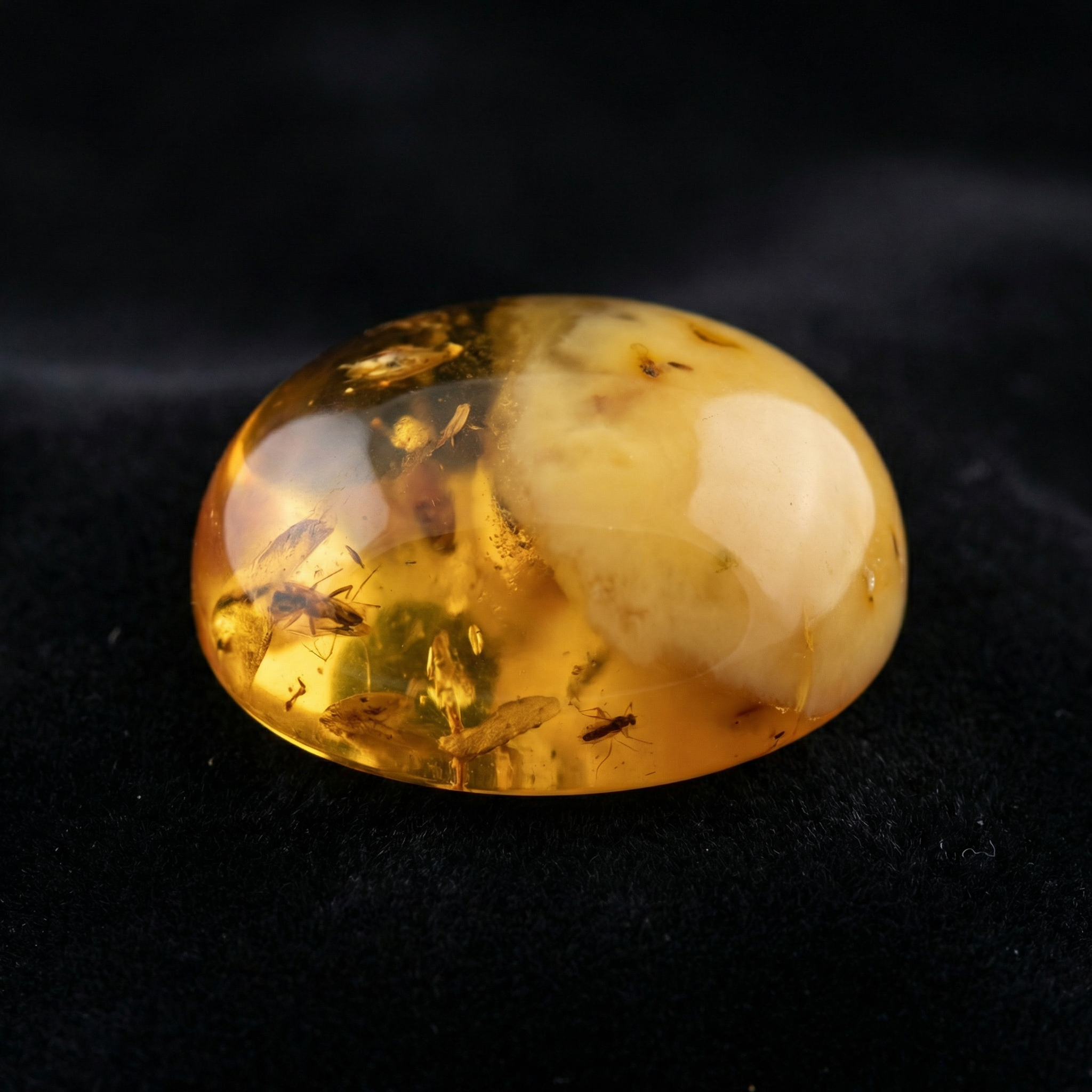
Amber / Beeswax (Fossilized Resin)
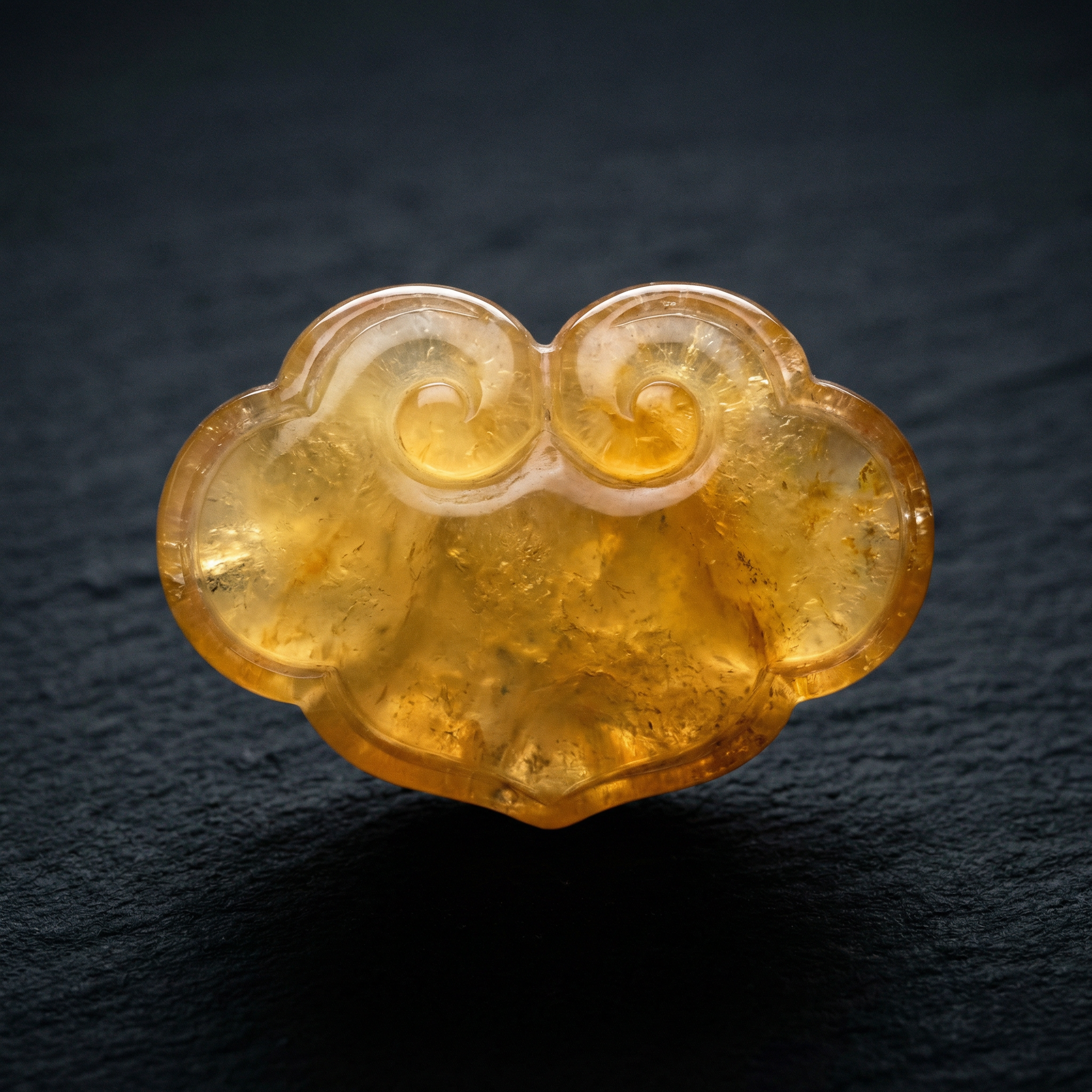
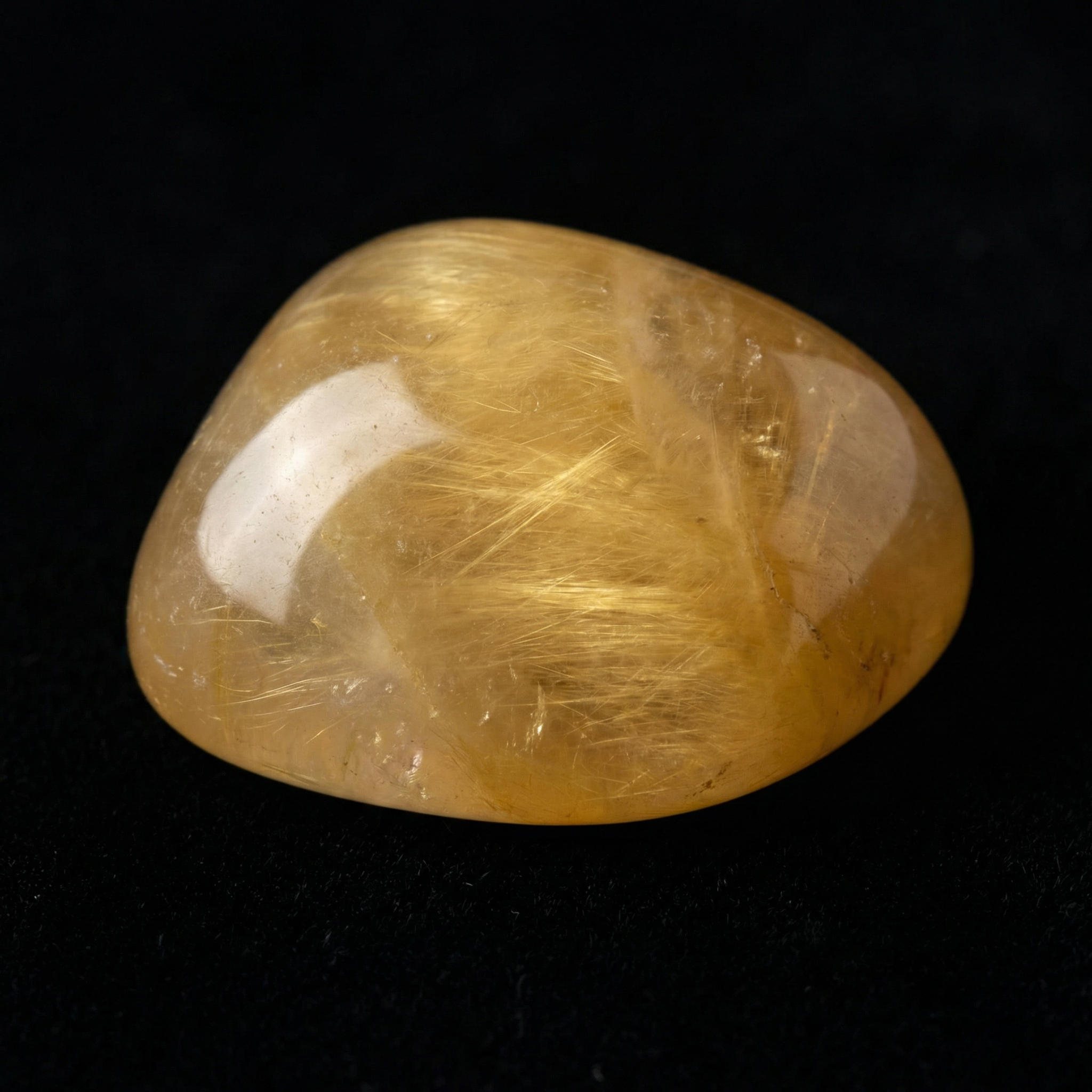
Amber and Beeswax are organic gemstones formed from the resin of coniferous trees tens of millions of years ago. They are lightweight and have a warm, gentle luster. The transparent variety is known as Amber, while the opaque variety is called Beeswax for its honey-like color and waxy sheen. Since ancient times, it has been regarded as a precious gem with deep historical and cultural significance, often crafted into jewelry and art, symbolizing eternity, purity, and good fortune.
Mohs Hardness
2.0-2.5
Origin
Baltic Sea Region (Russia, Poland, Lithuania), Myanmar, Dominican Republic, Fushun (China)
Market Price Range
Standard Quality: $15-45/gram; High Quality (e.g., clean, uniform 'butterscotch' beeswax): $70-150/gram; Collector's Grade (e.g., with rare inclusions or antique pieces): can reach several hundred dollars per gram or more.
Detailed Description
Identification Methods
Saturated Saltwater Test: Real amber floats in a 1:4 salt-to-water solution, while most imitations sink.
Hot Needle Test: Gently touch an inconspicuous spot with a heated needle; real amber emits a pine-like scent, whereas fakes produce a pungent plastic smell.
Feel and Sound: Real amber is lightweight and warm to the touch. When two pieces are tapped together, they produce a dull, soft sound; imitations feel heavier or colder and sound sharper.
Internal Observation: Bubbles in natural amber are typically round, and flow patterns are natural; in pressed amber, bubbles are often elongated, and the texture shows signs of stirring.
Market Information
The market for amber and beeswax remains strong, driven by demand from both jewelry consumers and collectors. Baltic amber, especially the 'royal white' and 'butterscotch' beeswax varieties, commands high prices. Pieces with clear, well-preserved insect or plant inclusions are exceptionally valuable. The market has seen a rise in sophisticated imitations and treatments, making professional certification increasingly important for high-value purchases. Prices are expected to remain stable with a slight upward trend for rare and high-quality specimens.
Classification
Organic Gemstone (Fossilized Resin)
Curated selections with appraisal guarantee