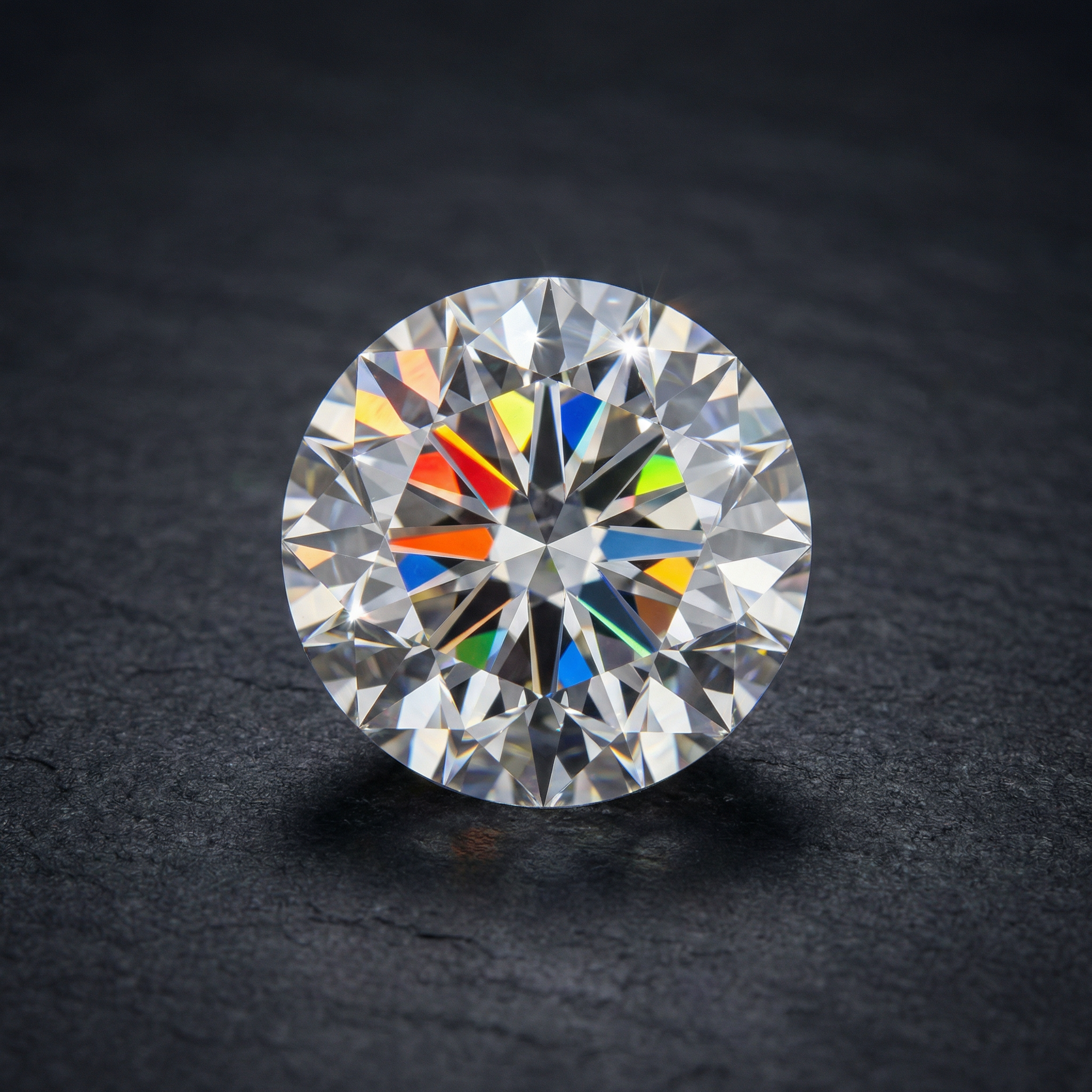
Diamond (Carbon)
Diamond is a mineral composed entirely of carbon and is the hardest known natural substance. Renowned for its unparalleled brilliance and "fire," it symbolizes eternity, purity, and strength. Throughout history, diamond has been not only a precious ornament but also a symbol of wealth and status, carrying significant cultural and emotional value, often used in engagement rings and heirloom jewelry.
Mohs Hardness
10
Origin
Russia, Botswana, Canada, South Africa, DR Congo
Market Price Range
Entry-level (I-K color, SI2-I1 clarity): $2,500 - $5,000 / carat||Commercial-grade (G-H color, VS1-SI1 clarity): $5,500 - $10,000 / carat||High-quality (D-F color, VVS1-IF clarity): $12,000 - $30,000+ / carat. Prices are estimates for 2024-2026 and vary significantly based on the 4Cs, cut, and fluorescence.
Detailed Description
Identification Methods
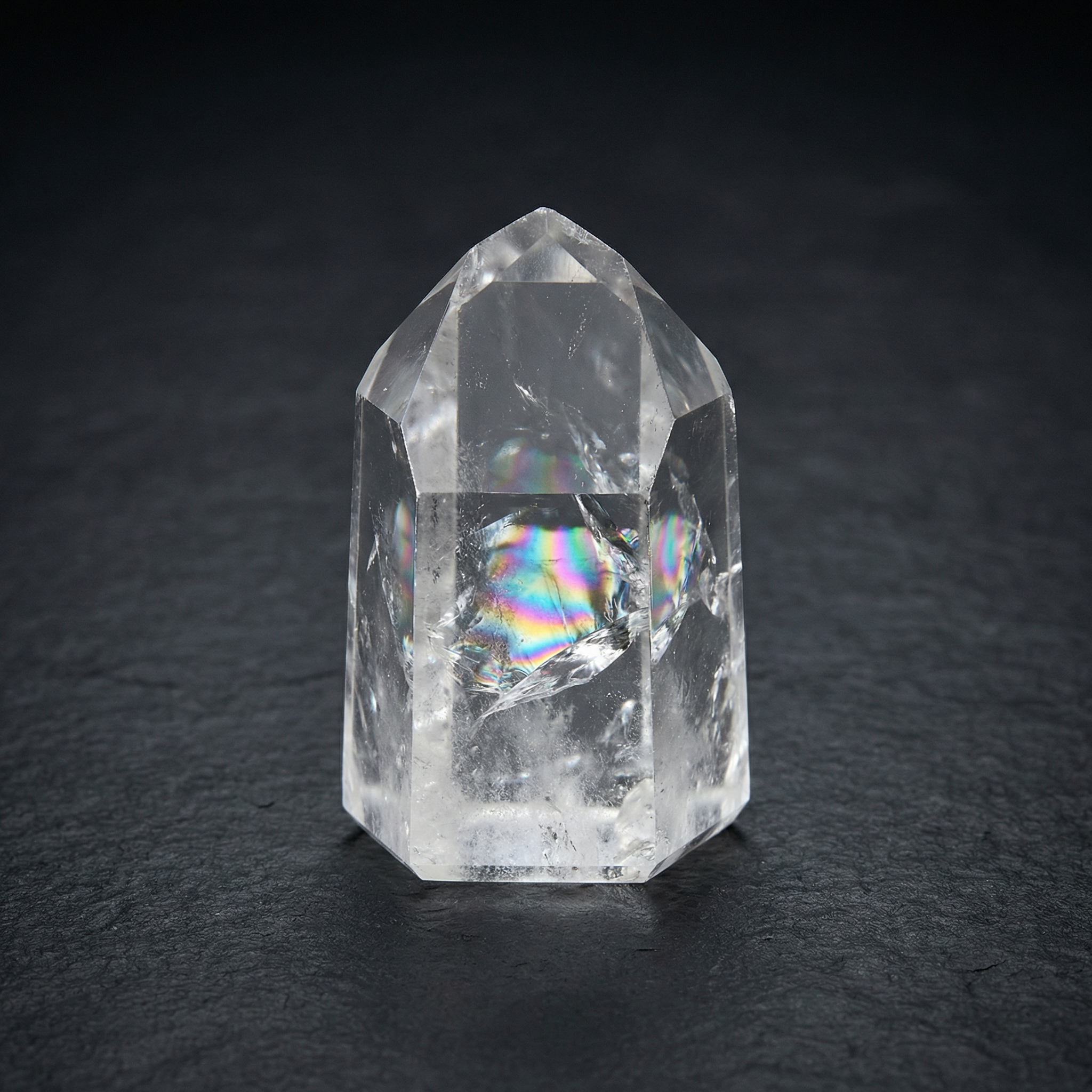
Observe the Fire: A real diamond exhibits intense "fire," or flashes of rainbow color, due to its high refractive index, while imitations show weaker or only white sparkle.
Hardness Test: As the hardest known natural substance, a diamond can scratch any other gemstone. However, this destructive test is not recommended for non-professionals.
Fog Test: Breathe on the diamond. A real diamond will dissipate the fog almost instantly due to its excellent thermal conductivity, whereas fakes will stay fogged for a few seconds.
Read-Through Test: Place the diamond upside down on a piece of paper with a line drawn on it. With a real diamond, you won't be able to see the line clearly through the pointed bottom, but with most fakes (like cubic zirconia), the line will be visible.
Professional Appraisal: The most reliable method is to have the stone tested by a qualified gemological laboratory (like GIA) using professional equipment.
Market Information
The diamond market is currently experiencing a dynamic shift, with natural diamond prices stabilizing after a period of decline, while lab-grown diamonds continue to become more affordable. Consumer demand remains strong for high-quality natural diamonds, especially for significant life events. The market's future will be shaped by the interplay between the enduring allure of natural stones and the growing acceptance and technological advancements of lab-grown alternatives, alongside global economic trends.
Classification
Native Carbon Mineral
Curated selections with appraisal guarantee